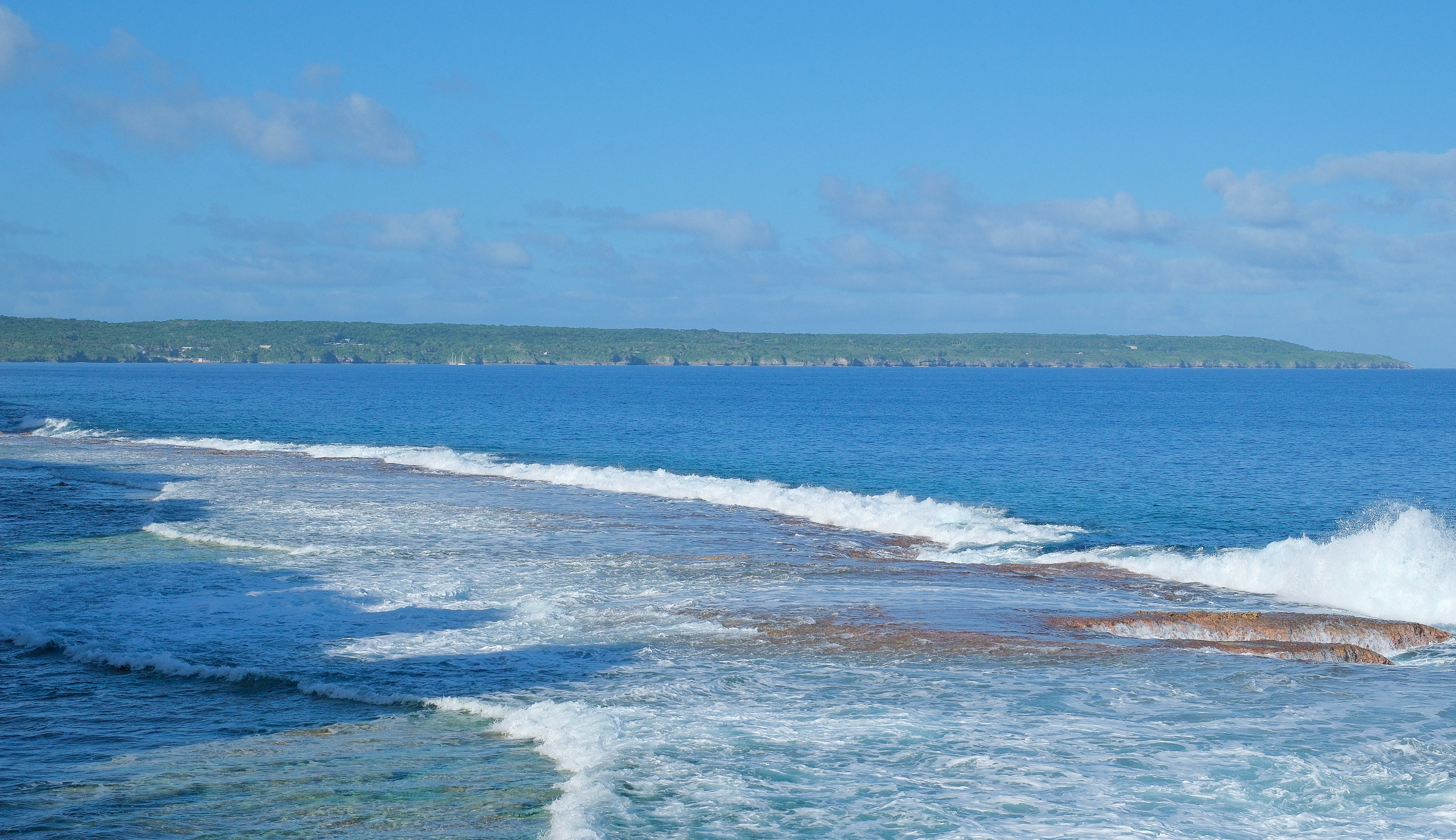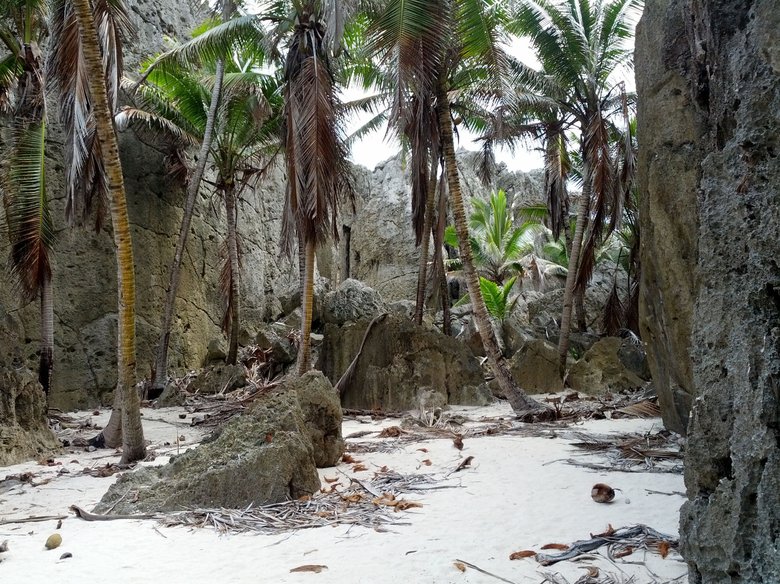
Niue is one of the world's smallest nations — a single raised coral island in the South Pacific, about 2,400 km northeast of New Zealand. It calls itself the Rock of Polynesia, and the name fits. There are no beaches to speak of on most of the coast; instead, the island rises abruptly from the sea in dramatic limestone cliffs, chasms, and arches carved by millennia of wave action.
The population is around 1,700, making Niue one of the least populated self-governing nations on earth. Many Niueans have emigrated to New Zealand, and the diaspora in Auckland alone outnumbers the population at home. Those who remain are welcoming and unpretentious. Tourism is a growing part of the economy, but Niue is still genuinely off the beaten track.
What draws visitors is the water. Visibility in Niue's ocean can reach 100 metres — some of the clearest in the world. Divers come for the sea caves, coral walls, and resident sea snakes. From July to October, humpback whales arrive to calve and nurse, and you can sometimes watch them from the clifftop cafes. Snorkelling at natural pools like Matapa Chasm is extraordinary even for non-divers.
The island is easy to explore independently by rental car. The main road loops around the coast with tracks and paths leading down to chasms, tide pools, arches, and caves. Alofi, the small capital, has a handful of restaurants, a market, a bank, and not much else — which is part of the appeal.