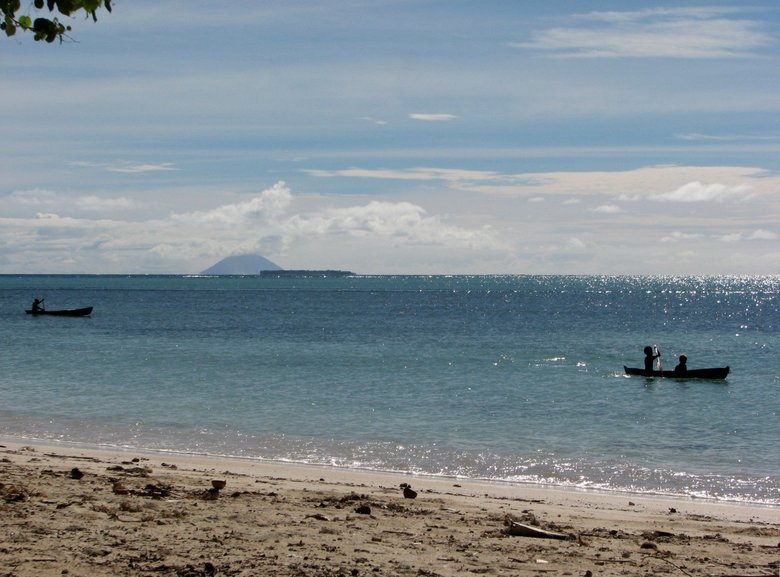
Nearly 1,000 islands scattered across 1,500km of the southwest Pacific, the Solomon Islands remain one of the least-visited and most rewarding destinations in the region. This is not package tourism — getting here takes effort, logistics are genuinely challenging, and infrastructure outside Honiara is minimal. In return, you get some of the world's best diving, extraordinary cultural depth, and a sense that you've arrived somewhere that hasn't been processed for visitors.
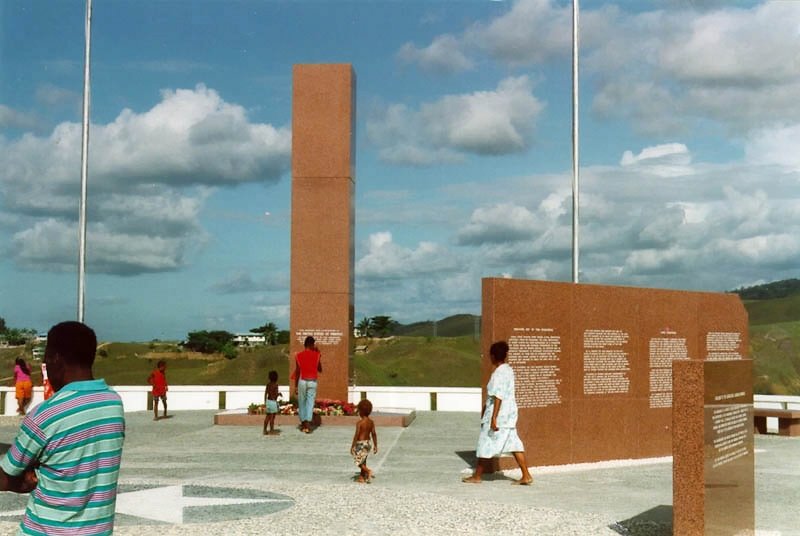
The Solomons are best known underwater. Iron Bottom Sound near Guadalcanal holds over 200 ships and aircraft sunk during the ferocious naval battles of World War II. Marovo Lagoon in the Western Province — one of the largest saltwater lagoons on earth — offers pristine coral walls and reef systems alive with sharks, turtles, and schools of fish. Visibility routinely exceeds 30 metres.
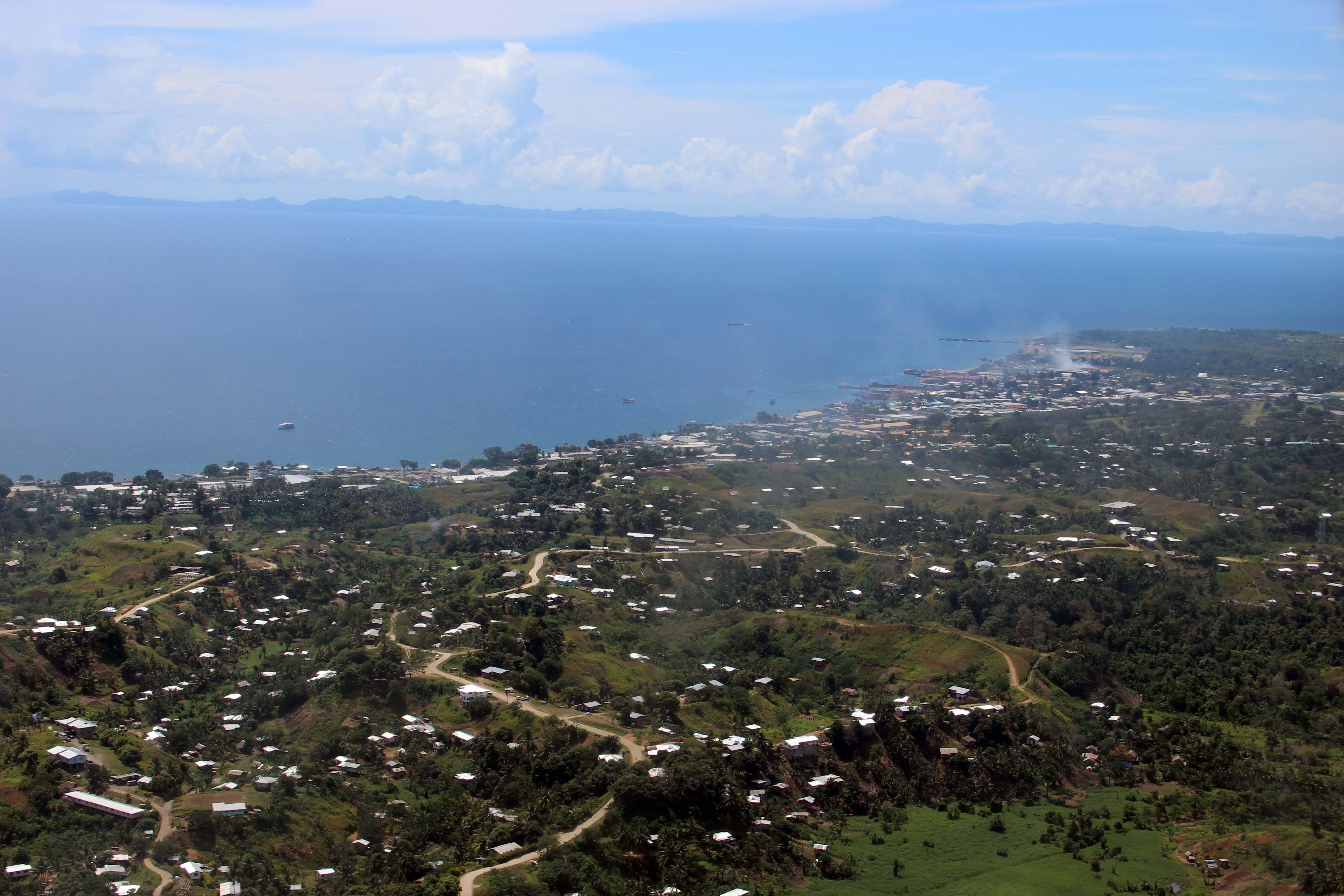
Above water, the country is Melanesian in character, with over 70 distinct languages spoken across its islands. The kastom system — traditional law and practice — remains the framework for land rights, ceremonies, and community life across most of the archipelago. Honiara, the capital on Guadalcanal, is a functional Pacific city with a vivid central market, cold beer, and enough guesthouses to stage an expedition from. Beyond it, you're largely on your own.
The political instability that marked the early 2000s — a period of ethnic tension and armed militias that the locals call "the tensions" — has long since resolved. An Australian-led regional assistance mission (RAMSI) stabilised the country from 2003, and it wound down fully in 2017. The Solomons today are a functioning if fragile democracy. Petty crime exists in Honiara as in any Pacific capital; serious crime targeting tourists is rare.