Snæfellsnes
©
Snæfellsnes

Snæfellsnes

Western Icelandic peninsula where glacier volcano, lava fields, fishing villages, and sea cliffs sit close together

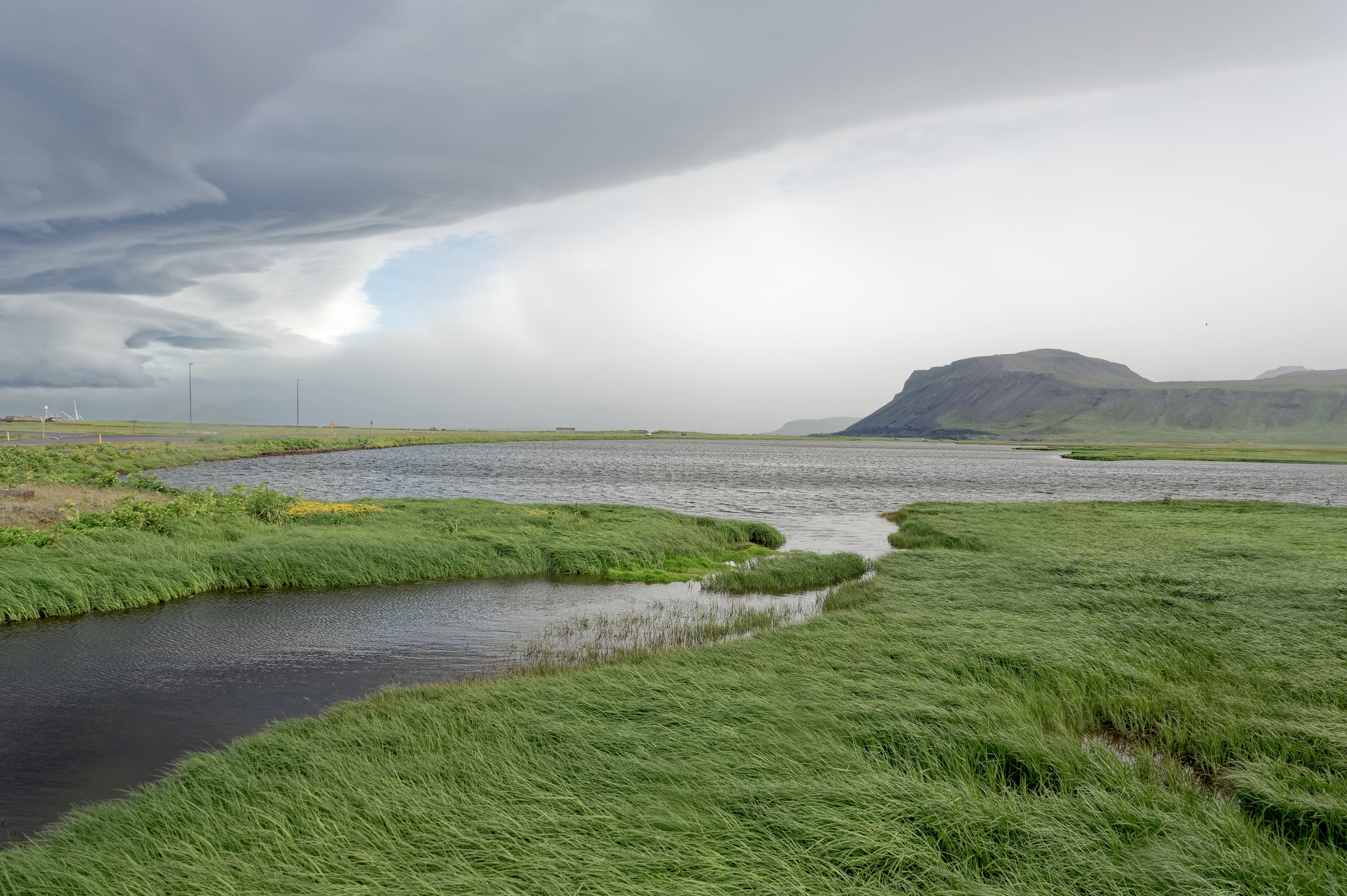
Snæfellsnes is a peninsula jutting west into the Atlantic from the coast of western Iceland, and it compresses an extraordinary range of Icelandic scenery into a single 90-kilometre strip of land. Glacier-capped volcano, lava fields, dramatic sea cliffs, fishing villages, whale-watching grounds, black sand beaches, and ancient saga landscapes all within an hour's drive of each other. Jules Verne chose Snæfellsjökull — the glacier-capped volcano at the peninsula's tip — as the entrance to the centre of the earth in his famous novel, and on a dramatic cloud-moving day, with the glacier floating above the lava fields, you can see why.

The dominant feature is Snæfellsjökull — a 1,446-metre stratovolcano capped by a glacier, now a national park. In clear weather it is visible from Reykjavik 120 kilometres away. The volcano's slopes have several marked hiking routes, and glacier tours operate from the base. The most rewarding coastal walking is between Arnarstapi and Hellnar — a two-kilometre cliff path through lava arches, sea caves, and basalt formations above the crashing surf.

The peninsula's north coast is wilder and less visited than the south. Stykkishólmur at the eastern end is the main town and a comfortable base, with ferry services to the Westfjords. The fishing village of Grundarfjörður on the north coast sits below the remarkable Kirkjufell mountain — a symmetrical wedge of rock rising directly from the sea that has become one of Iceland's most photographed peaks. The saga landscape around Búðir and Ytri-Tunga on the south coast includes a rare black church and a beach where grey seals haul out year-round.

A car is essential for exploring Snæfellsnes; the peninsula is served by occasional buses but the frequency makes independent travel awkward. Most visitors do it as a long day trip from Reykjavik or as a two-day circuit, staying one night in Stykkishólmur or at a farmhouse along the way. Spring and early summer bring fewer crowds and the possibility of seeing the glacier in good visibility before summer haze builds.

Guide

Getting There

Snæfellsnes is a two-hour drive from Reykjavik on the Route 1 ring road and then Route 54 onto the peninsula. A car is essential — the peninsula has infrequent bus service that makes independent exploration difficult without one. Car rental from Reykjavik is the standard approach. The drive from Reykjavik via Borgarnes enters the peninsula at its eastern end and allows a circuit of the peninsula over one or two days.

Stykkishólmur on the northern shore is the main town and has the peninsula's best range of accommodation and services. The Baldur ferry from Stykkishólmur crosses Breiðafjörður to Flatey island and continues to the Westfjords, making Snæfellsnes a natural staging point for those continuing west. There is no direct public transport between Reykjavik and the western end of the peninsula; Reykjavik Excursions and Sterna run day-trip buses that cover the main sites but do not allow much flexibility.

Guide

Things to Do

Snæfellsnes rewards a slow circuit of the peninsula over two days. The centrepiece is Snæfellsjökull — the glacier volcano at the western tip — with glacier tours and hiking routes on its slopes. The south coast cliff walk between Arnarstapi and Hellnar is one of Iceland's finest short coastal walks.

The north coast is dominated by Kirkjufell — the symmetrical mountain that became one of Iceland's most photographed sights. Búðir on the south coast has the famous black church and lava field walking. The Rauðfeldsgjá ravine is a narrow canyon worth exploring near the glacier base. Lóndrangar sea stacks and the Vatnshellir lava tube provide more geology. At Ytri-Tunga beach, grey seals haul out year-round within metres of visitors.

Stykkishólmur at the eastern end is the main town and ferry departure point for the Westfjords.

Guide

When to Go

Snæfellsnes is accessible year-round, though the experience changes dramatically by season. Summer (June–August) brings long daylight hours — the midnight sun in June means you can hike the peninsula at any hour — good road access, and the peak of birdlife along the cliffs. It is also the busiest period, with tourist numbers having increased substantially since the peninsula gained international recognition.

The shoulder seasons (May and September) offer a good balance: reasonable weather, fewer visitors, and dramatic skies. October and November are genuinely autumnal — stormy, atmospheric, and relatively crowd-free; the aurora borealis becomes visible on clear nights. Winter (December–March) brings possible road closures in bad weather and short days, but the peninsula can be exceptional in snow and the orca whale-watching from Grundarfjörður peaks when herring shoals are in the fjords. The glacier is more dramatic in winter but glacier tours are weather-dependent. The Ring Road connection from Reykjavik to Snæfellsnes is well-maintained year-round; the smaller peninsula roads require a cautious approach in icy conditions.