The Isle of Man sits in the middle of the Irish Sea, equidistant from England, Scotland, Northern Ireland, and Wales — yet it belongs to none of them. It is a self-governing Crown dependency with its own parliament, laws, and tax system. The Tynwald, founded in 979 AD, is one of the oldest continuously sitting parliaments in the world. The British monarch holds the title "Lord of Mann" and is represented by a Lieutenant Governor; the island handles its own domestic affairs entirely.
It is a small island — 33 miles by 13 — but remarkably varied. The interior is mountainous moorland, dissected by wooded glens that run down to the coast. The coastline alternates between dramatic cliffs and sandy beaches, with Celtic crosses, standing stones, and Viking burial sites scattered throughout. Because it never quite caught up with the package-holiday era, it has kept a quiet, unhurried quality that feels rare in the British Isles.
The island is best known outside the region for the TT Races, held every late May and early June. During TT fortnight, the population of 85,000 roughly doubles, every guesthouse is full, and the roads become a racetrack. Outside that window, the Isle of Man is calm, green, and genuinely welcoming.
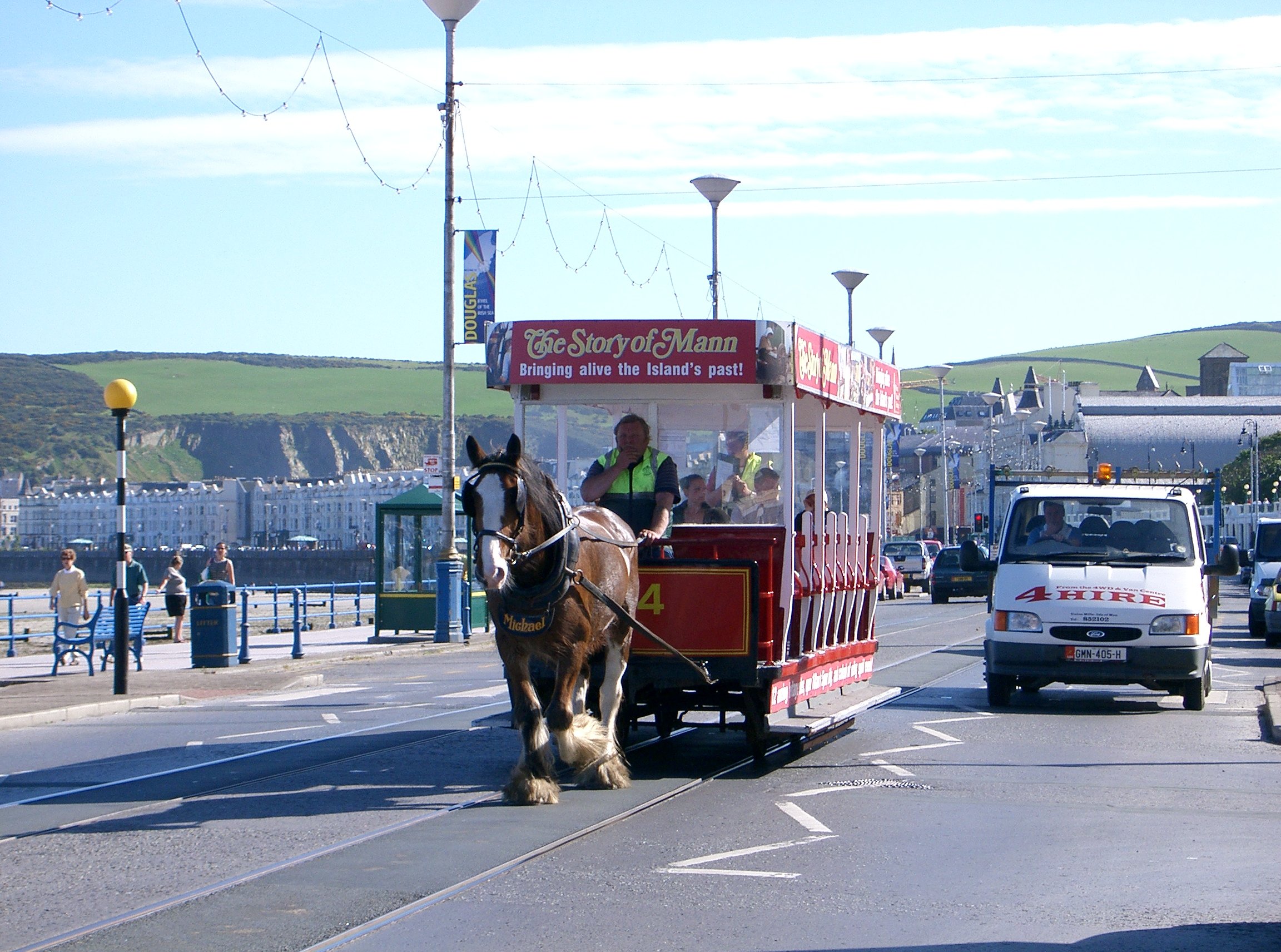
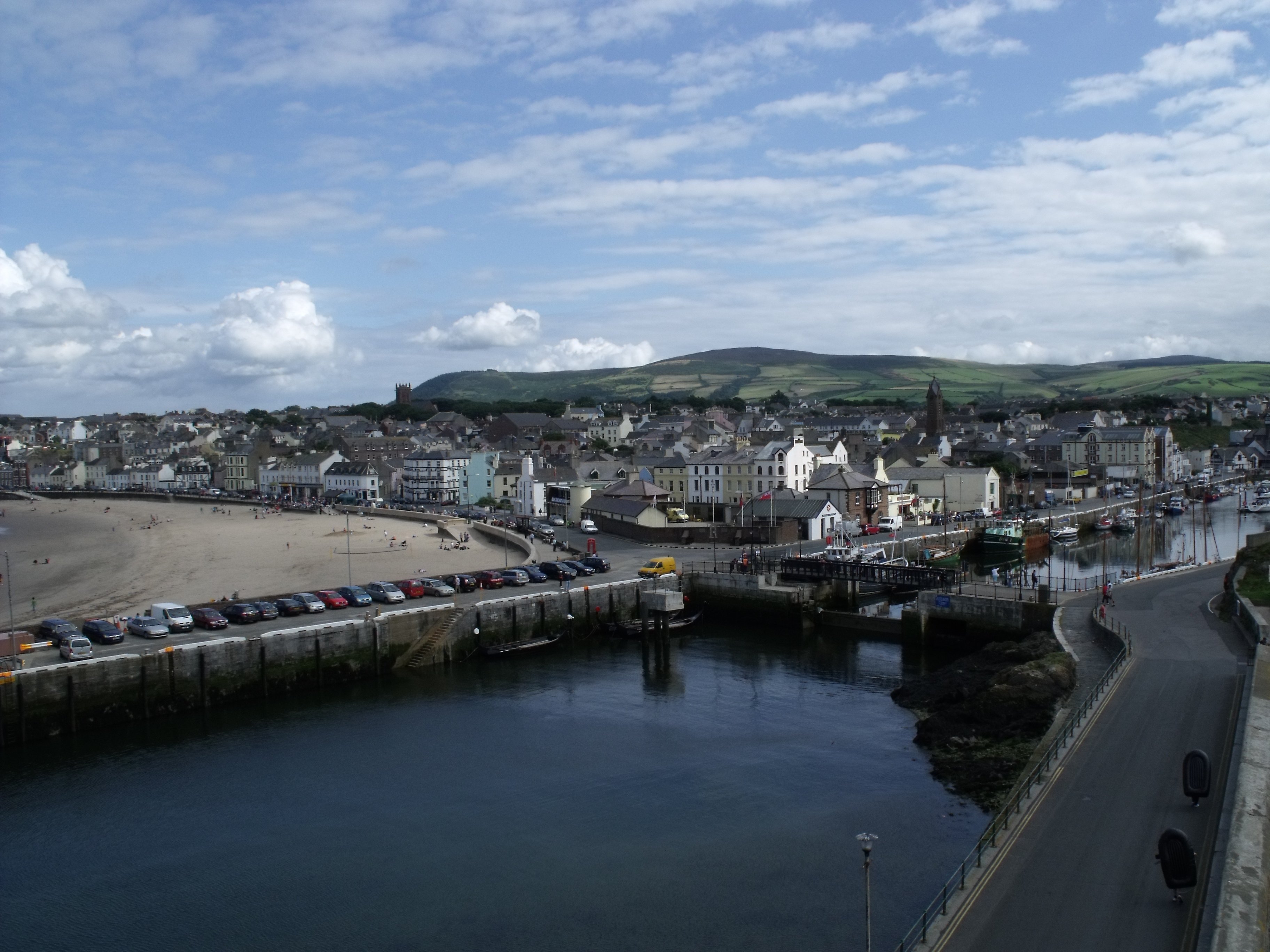
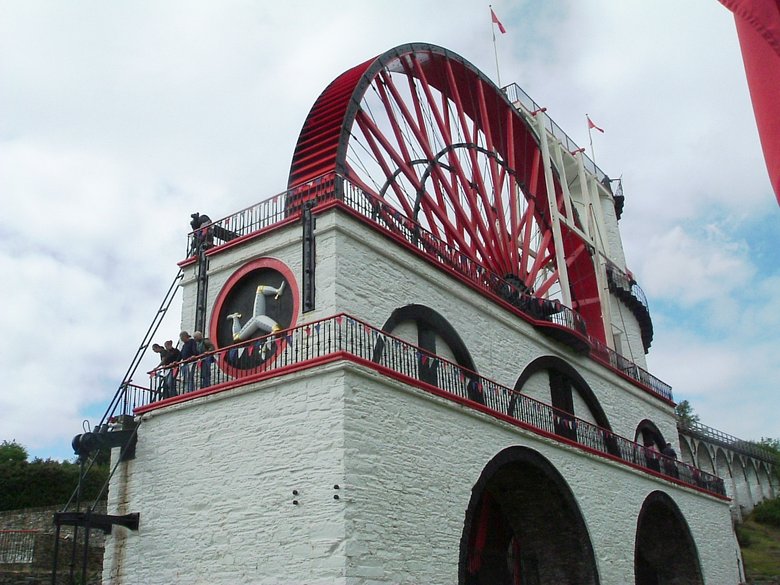
The capital, Douglas, is the main port and commercial hub — a Victorian seafront town with a long promenade and a rather workday feel. The more interesting towns are elsewhere: Peel on the west coast with its cathedral and castle ruins, Castletown with its well-preserved medieval castle, and the northern market town of Ramsey. Laxey, halfway up the east coast, is worth visiting for its enormous Victorian waterwheel and the mountain railway that departs from there.