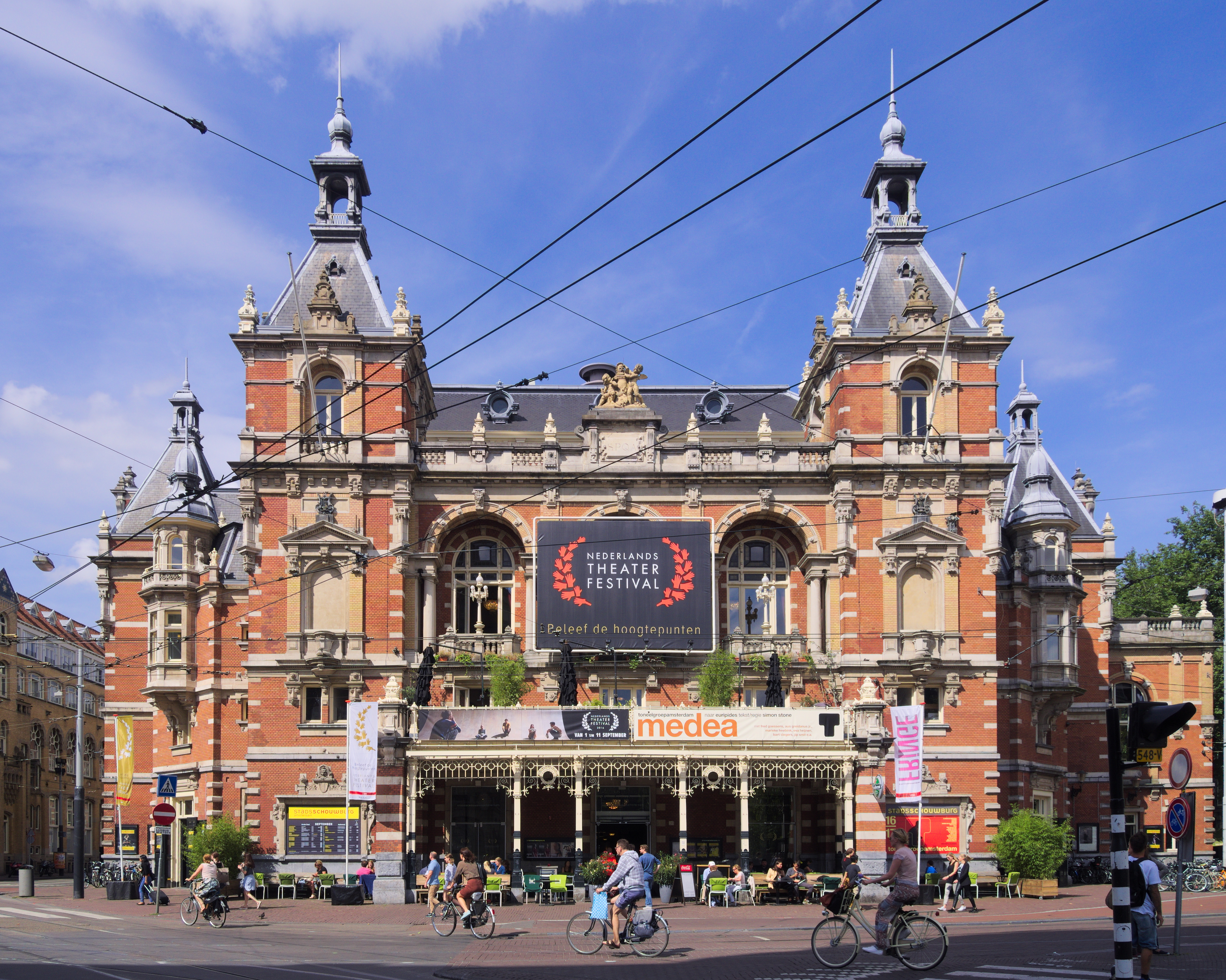
Leidseplein is the city's primary entertainment square — a wide, irregular space where trams converge, street performers compete for space, and a permanent cluster of bars, cinemas, theatres, and restaurants surrounds the action. The square itself is not beautiful, but the neighbourhood around it is worth knowing: the streets immediately south and west of the square are considerably quieter and contain some of Amsterdam's better cultural institutions.
Paradiso, in a converted 19th-century church on Weteringschans, is one of Europe's best mid-size music venues. The programming spans rock, electronic, and jazz; the main hall, in the original nave, has exceptional acoustics and atmosphere for a standing venue. Tickets sell out quickly for anything significant, but the venue often has late-night club nights with walk-in entry after midnight. De Balie, just off the square, runs an intelligent programme of debates, film screenings, and public talks — it has a decent cafe downstairs that serves as a meeting point for the city's more engaged cultural crowd.
The American Hotel on the square — a Dutch Art Nouveau building from 1902 — is worth a look inside; the Café Americain within it is a genuine Art Nouveau interior, one of the best in the city, with stained glass, ironwork, and reading tables that have been there since the hotel opened. The food is secondary; the room is the point.
The Leidsekade canal running along the south side of the square offers an easy escape from the noise, with houseboats moored along the bank and canal-side cafes in a row. South of the square, the smaller streets around Cornelis Schuytstraat and the Vondelpark edge shift into the quieter, more residential Old South. The transition is worth noting: five minutes' walk separates the noise of the square from one of the city's most pleasant residential neighbourhoods.