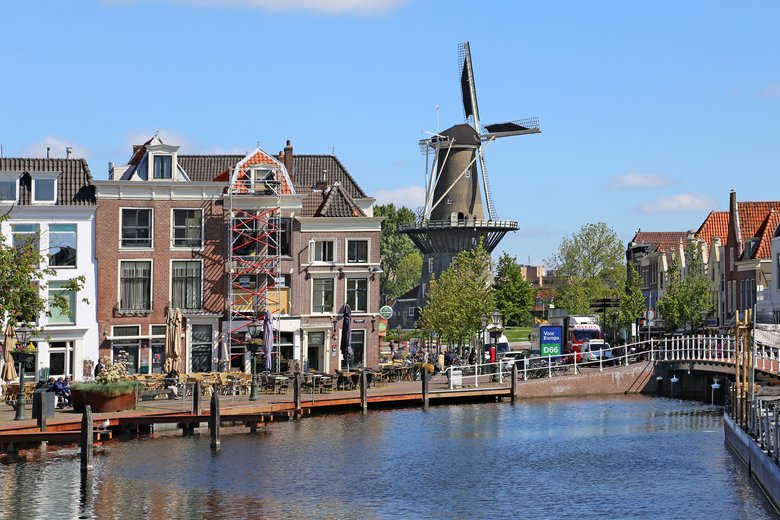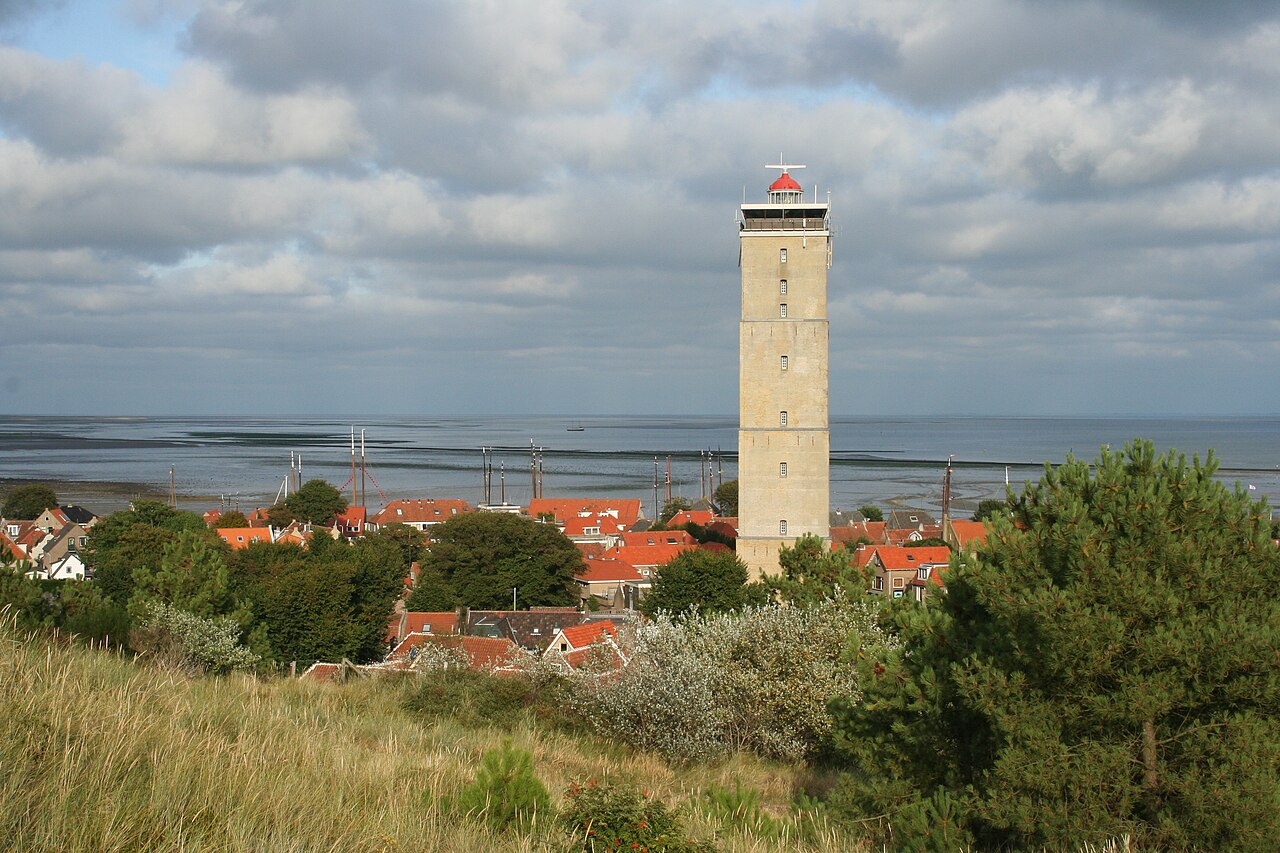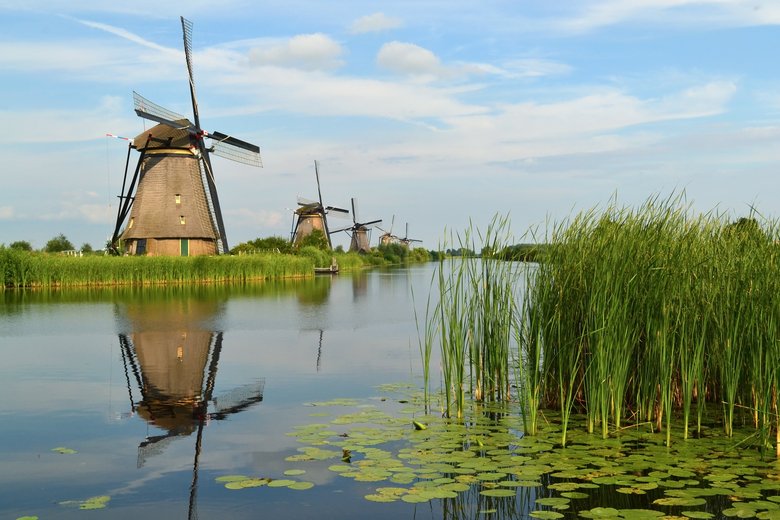
The Netherlands is a small, flat, densely populated country in the northwest corner of Europe, wedged between Germany and Belgium with its face turned towards the North Sea. It is far more interesting than the stereotype of windmills and tulips suggests — though the windmills and tulips are genuinely worth seeing.
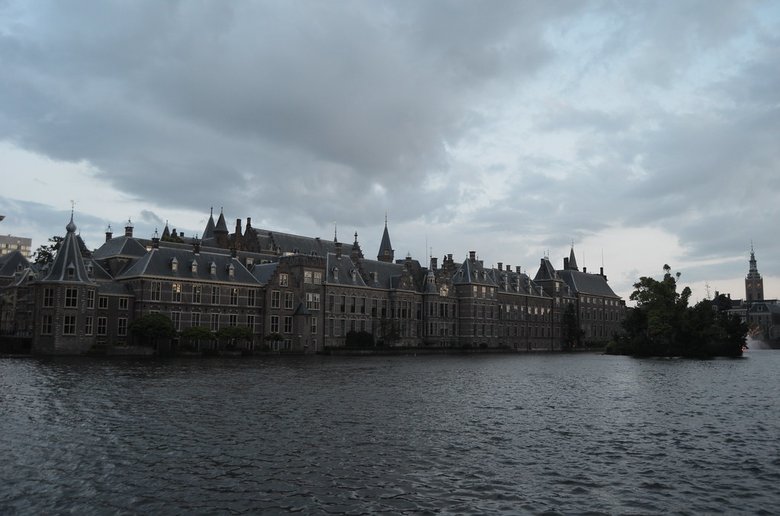
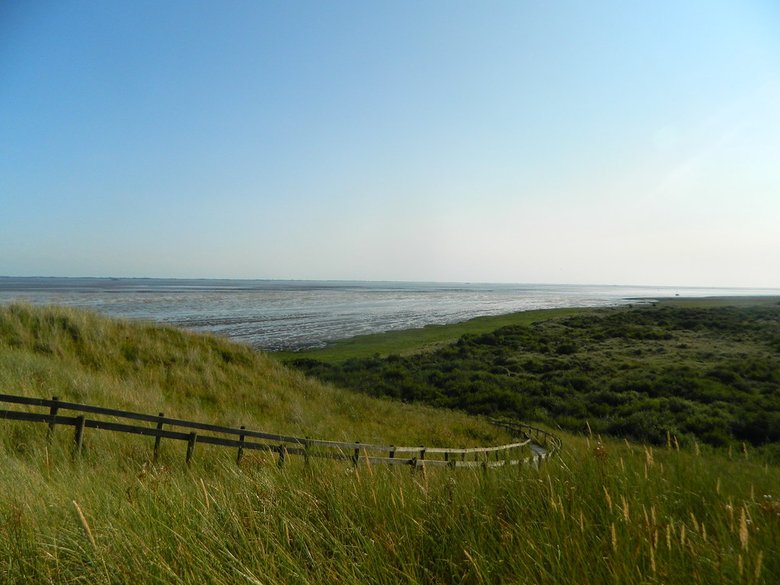
What makes the Netherlands distinctive is partly its history and partly its relationship with water. The Dutch spent centuries fighting the sea, draining lakes, and building polders to create land where none existed. About a third of the country is below sea level. The landscape is flat to an extent that is almost philosophical: enormous skies, long horizons, and a quality of light that prompted one of the greatest concentrations of painters the world has ever seen. Rembrandt, Vermeer, Hals, Steen — all products of 17th-century Dutch cities within a few kilometres of each other.
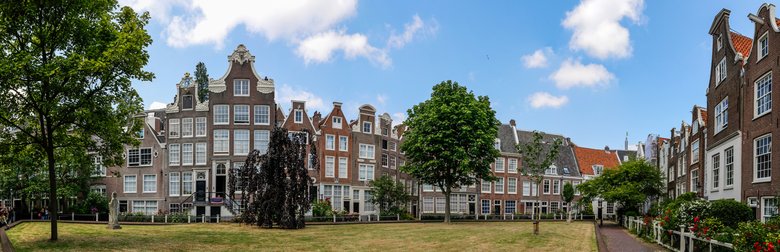
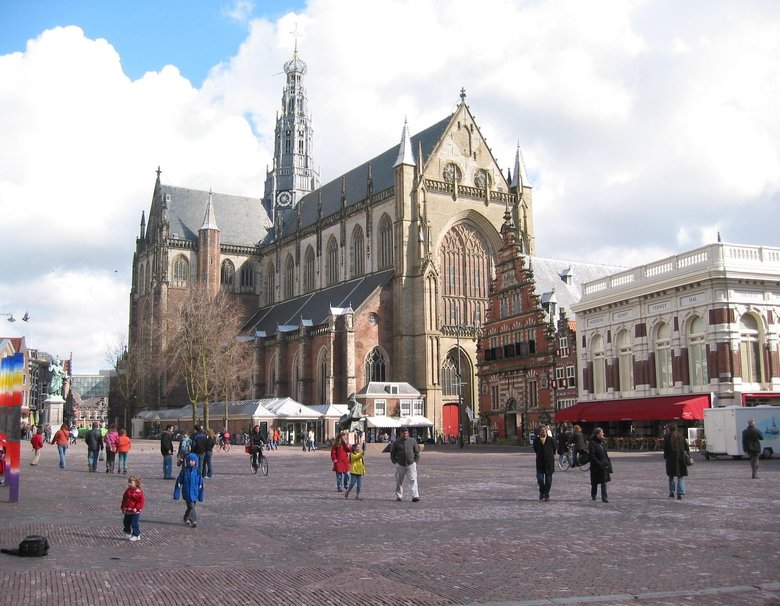
The Golden Age (17th century) is still everywhere visible. Amsterdam, Leiden, and Utrecht have canal houses built by the merchant families who ran a global trading empire stretching from New Amsterdam (New York) to Batavia (Jakarta) to Suriname. The Dutch were not sentimental imperialists — they were ruthlessly commercial — but they spent the proceeds on paintings, architecture, and furniture of extraordinary quality, much of which survives.
Modern Dutch society is famously liberal. Prostitution and cannabis are regulated rather than prohibited; same-sex marriage was legalised here in 2001, the first country in the world to do so. This permissiveness is less about decadence and more about pragmatism — the Dutch prefer managing problems to pretending they don't exist. The results, in terms of public health and crime, are generally positive.
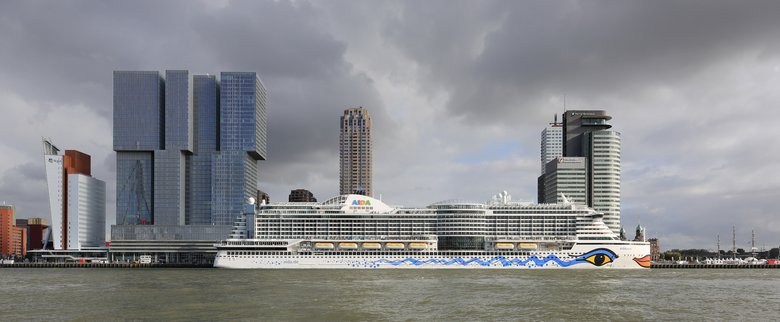
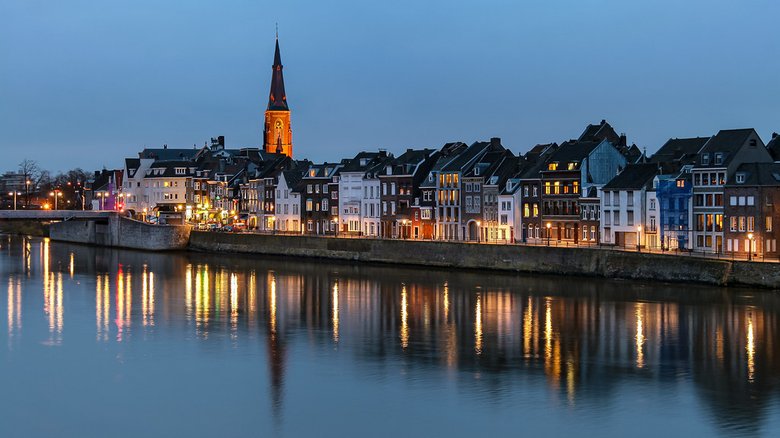
Rotterdam was bombed flat in 1940 and rebuilt from scratch, making it the Netherlands' only genuinely modern city and one of Europe's great laboratories for contemporary architecture. It is also the largest seaport in Europe, a fact the city wears with considerable pride. Maastricht in the south has a completely different character — Catholic, more Mediterranean in pace, with excellent restaurants and beautiful medieval streets.
The country is best explored by bicycle. Distances are short, the terrain is flat, and the cycle path network is the finest in the world. You can ride from Amsterdam to Utrecht in a morning, stopping in villages that look like 17th-century paintings.