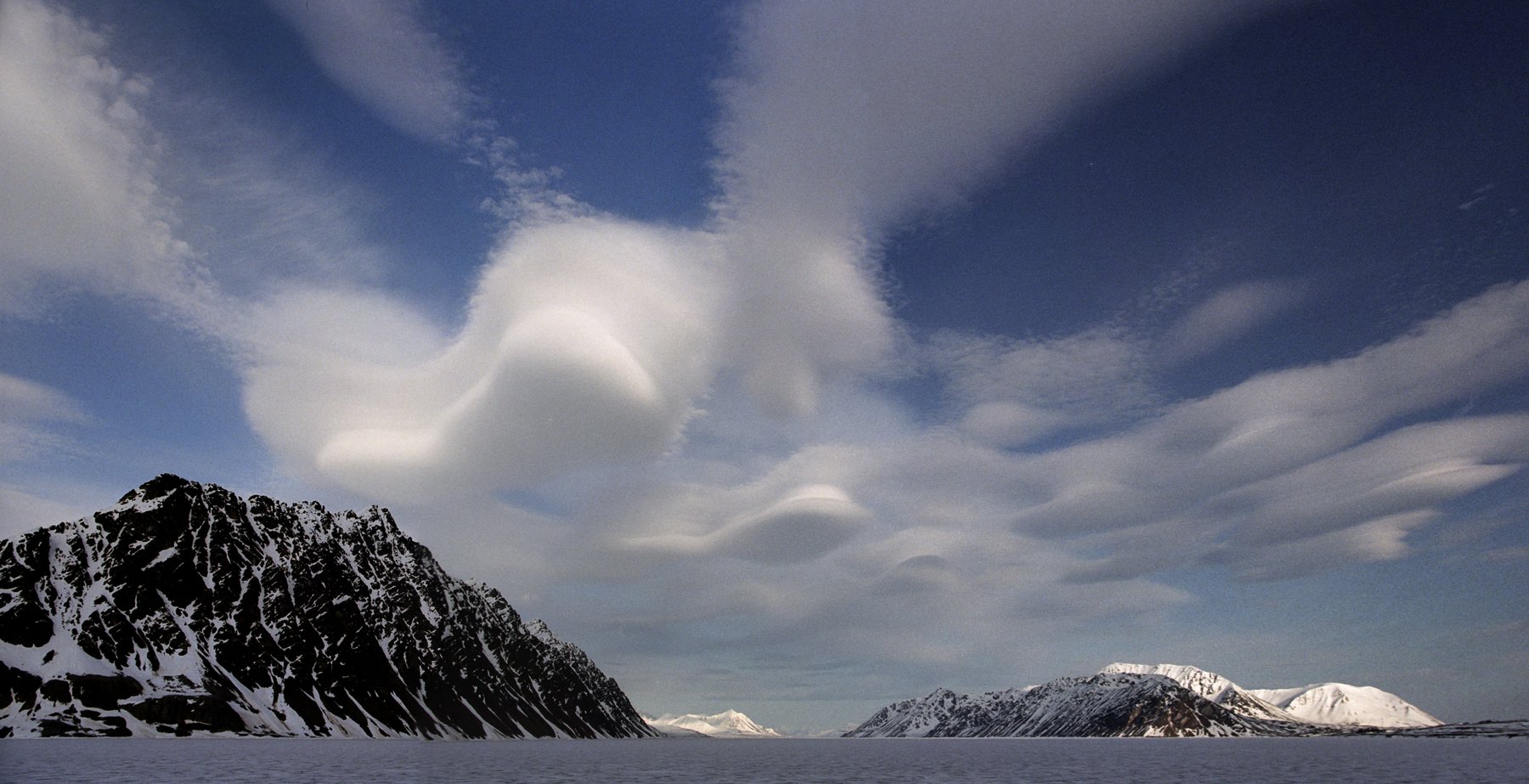
Spitsbergen is the largest island of the Svalbard archipelago, sitting deep inside the Arctic Circle at roughly 78°N — closer to the North Pole than to Oslo. The landscape is raw and immense: glaciers calving into cold fjords, polar bears crossing tundra, reindeer grazing on rocky hillsides, and in summer, a sun that never sets. If you want genuine Arctic wilderness without the logistical extremes of Greenland or Antarctica, this is where to go.
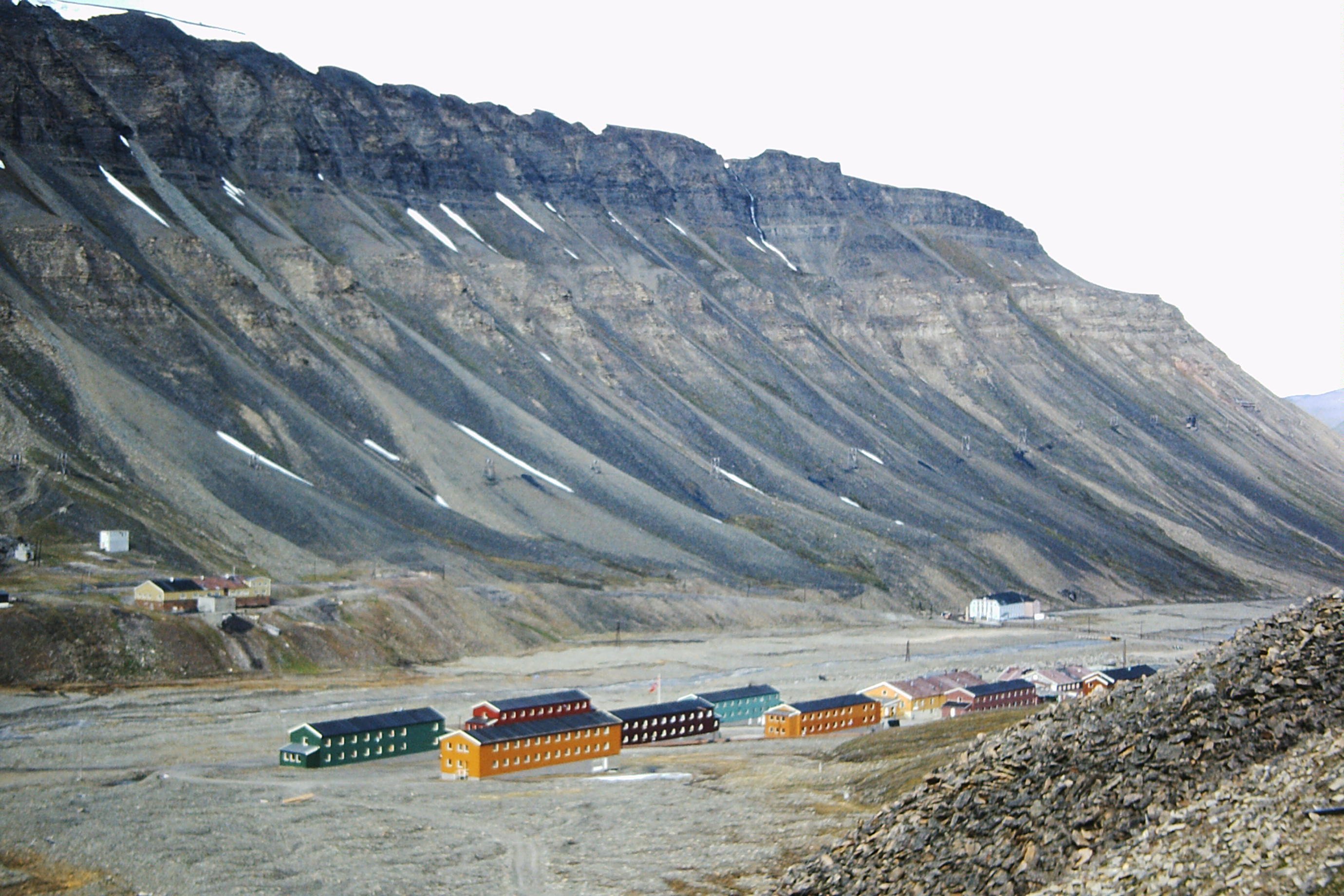
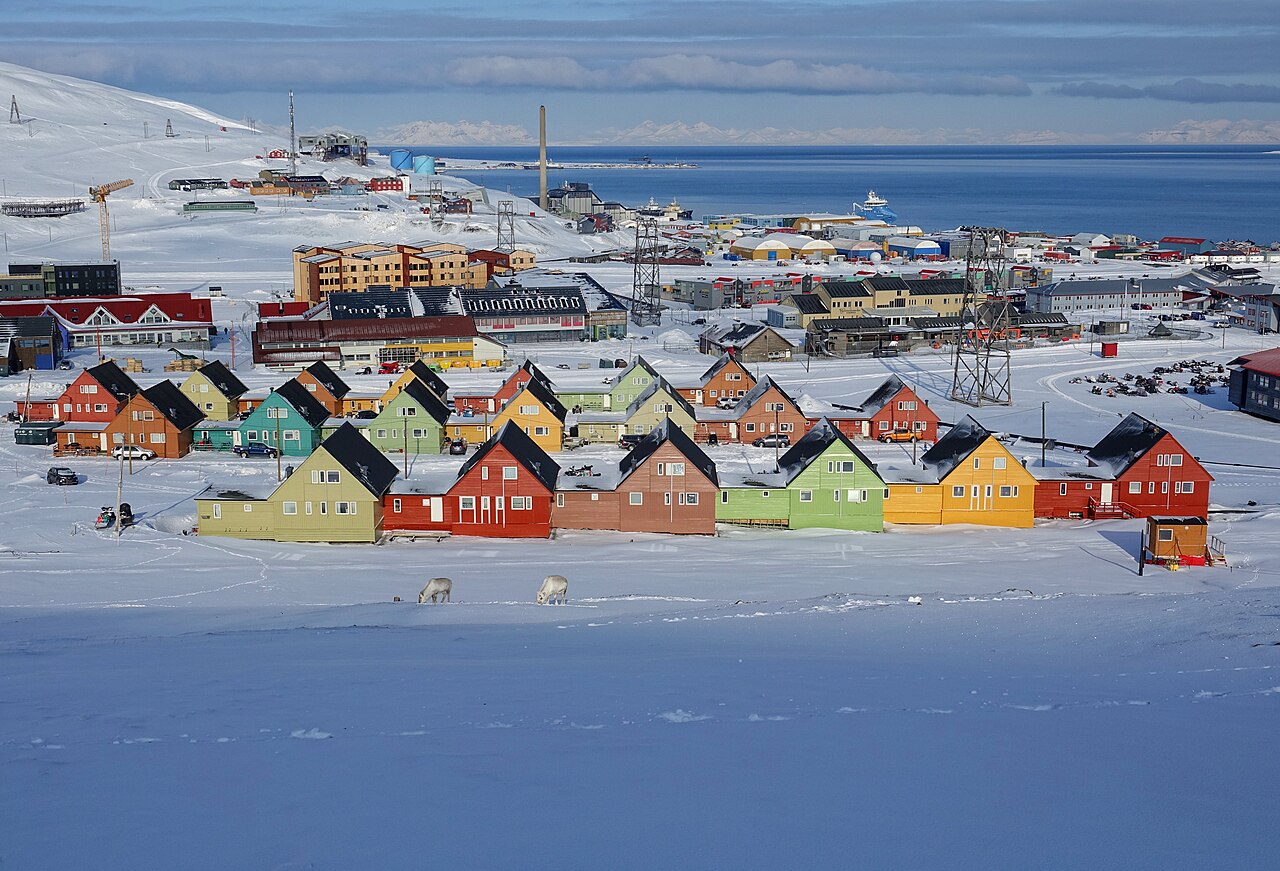
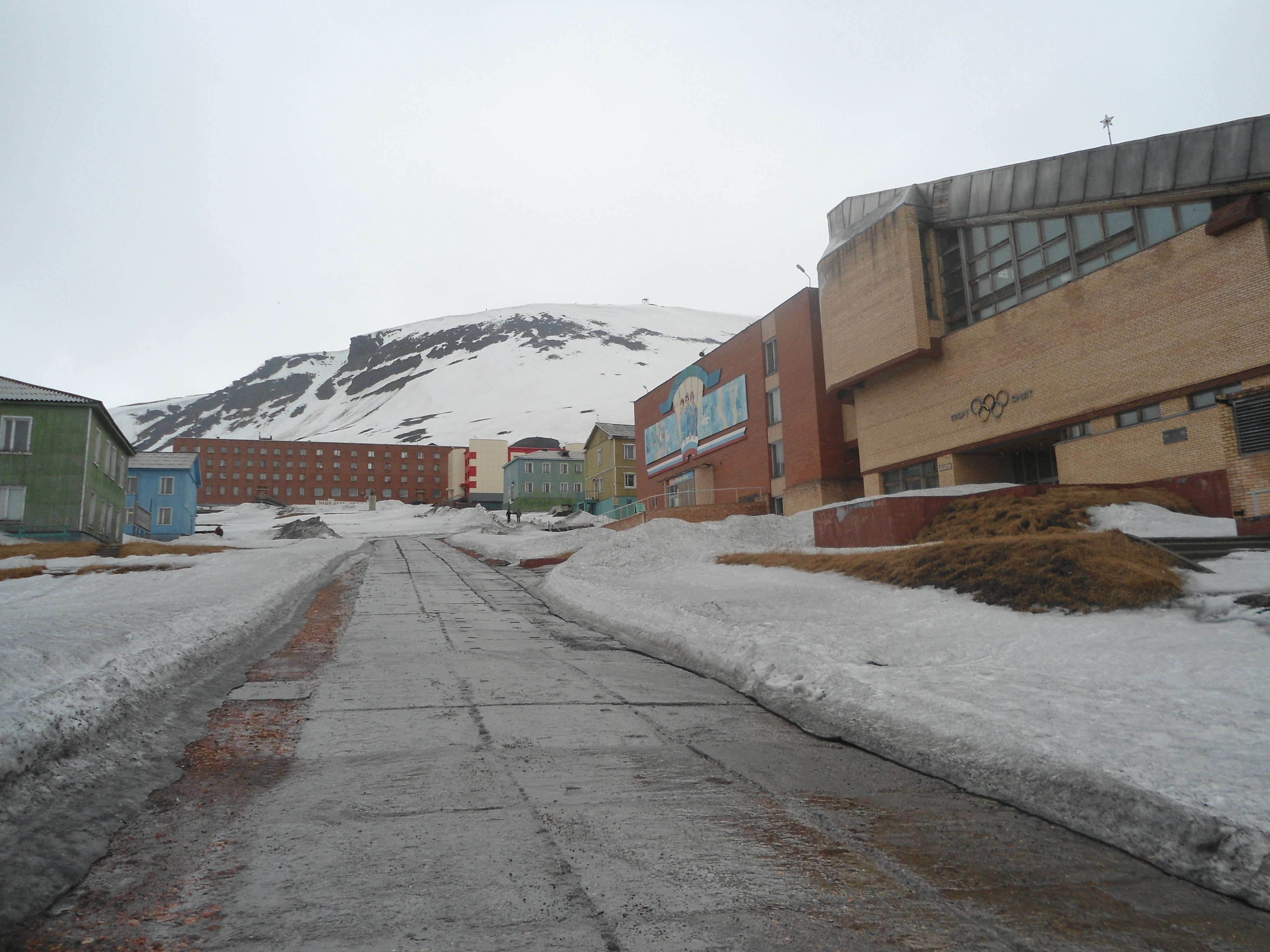
The archipelago was probably first sighted by Viking seafarers around 1194, rediscovered by the Dutch explorer Willem Barentsz in 1596, and then heavily exploited for whales and walruses for the next two centuries. Coal mining came next, and the legacy of that industry still shapes the settlements. Today Russia and Norway both operate mines here — Barentsburg flies the Russian flag, while Longyearbyen is the Norwegian hub and main point of entry. Ny-Ålesund, further north, hosts an international scientific research station.
Under the 1920 Svalbard Treaty, Norway holds sovereignty but all signatory states have equal rights to work and settle here — which is why Russian miners and international researchers coexist on Norwegian soil without visas. The treaty also bans military installations, giving Svalbard an unusual status among Arctic territories.
Tourism has grown steadily since the 1990s. Longyearbyen is well set up for visitors, with flights from Oslo and Tromsø, good outfitter shops, and a range of guided expeditions. It makes a solid base for boat trips into the fjords, snowmobile safaris in winter, and wildlife watching throughout the season. Nybyen, just outside town, is a quieter cluster of old miners' houses at the foot of a glacier.