The Ural Mountains run north–south for 2,500 kilometres across western Russia, from the Kazakh steppes to the Arctic Ocean, and they form the traditional geographical boundary between Europe and Asia. As mountains they are not especially dramatic — the highest peak, Mount Narodnaya, is only 1,895 metres, and much of the range is rolling, forested hills rather than sheer summits — but their importance to Russia is enormous. Exposed by erosion, the Urals hold extraordinary mineral wealth: iron, copper, gold, platinum, gemstones (emeralds, topaz, malachite), and almost every other metal worth mining, which made the region the industrial backbone of both tsarist and Soviet Russia.
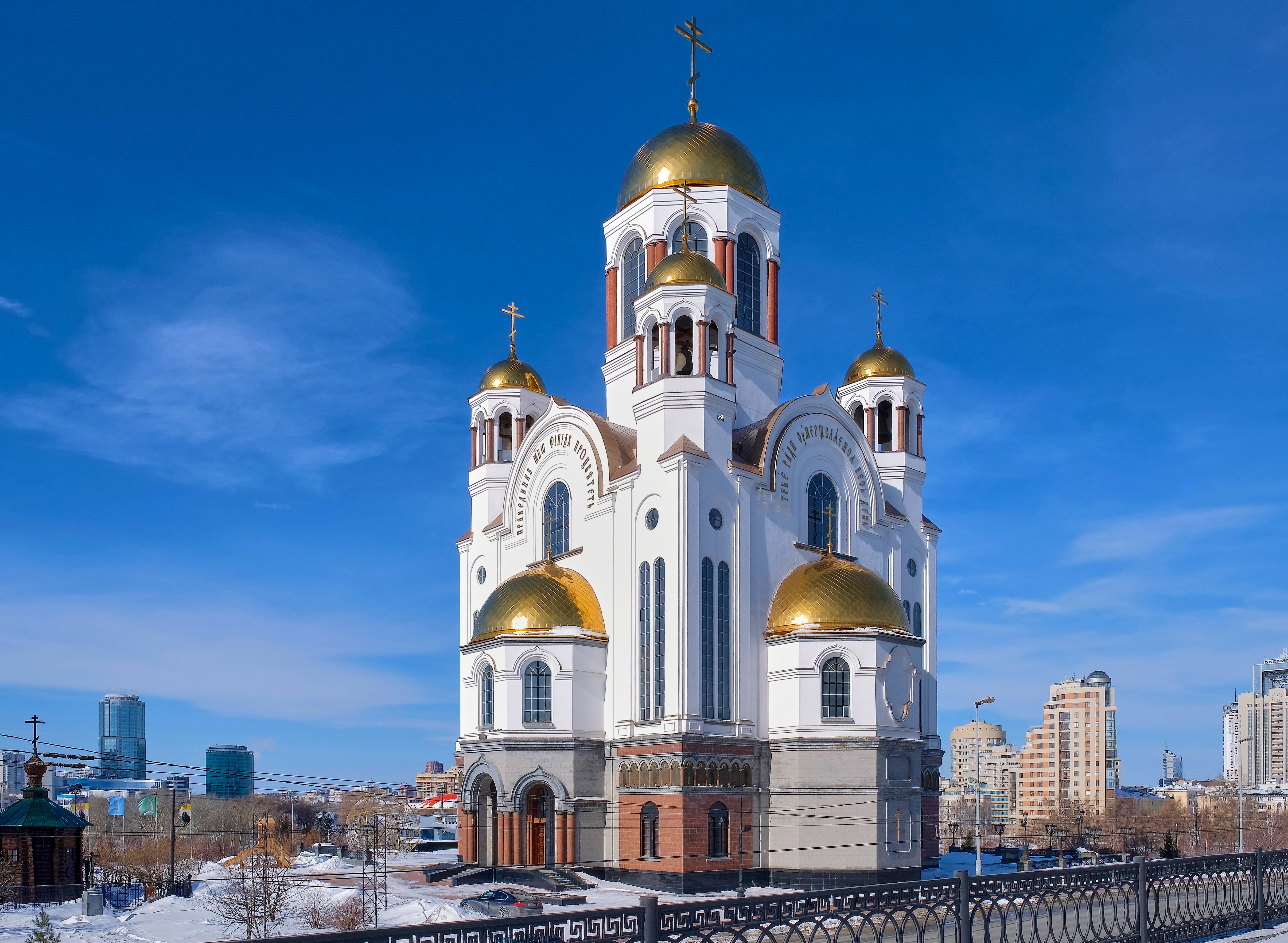
The cities that grew up around the mines and forges are the largest in the Urals region. Yekaterinburg, founded in 1723 by Peter the Great as an iron-producing centre, is now Russia's fourth-largest city and the cultural capital of the Urals. It is best known internationally as the place where the last Tsar, Nicholas II, and his family were executed in 1918 — the Church on the Blood, built on the site of the Ipatiev House where it happened, is now a major Orthodox pilgrimage destination. Chelyabinsk, Perm, and Ufa are the other significant cities. During the Second World War, the Soviet government evacuated much of its industry east of the mountains out of reach of the Germans, which transformed the region overnight into the arsenal of the Soviet war effort — and left it with a constellation of "closed cities" that did not officially exist on maps until the 1990s.
The natural attractions of the Urals are only slowly being discovered by travellers. The Virgin Komi Forests, in the northern Urals, are Europe's largest remaining undisturbed boreal forest and a UNESCO World Heritage site. The Manpupuner rock pillars in the same region are seven enormous columns of weathered rock rising up to 42 metres out of an empty plateau — one of the strangest natural landscapes in Russia, reached only by helicopter or a multi-day trek. The Kungur Ice Cave, an hour's drive from Perm, is one of the largest ice caves in the world and has been open to tourists since the 18th century. And in the south, the wide-open steppes of Bashkortostan and the lakes of the Zyuratkul National Park make for excellent summer hiking and winter skiing.
The Urals are rarely on a first-time visitor's itinerary to Russia, and access has become considerably more difficult since 2022. But for the traveller who has done Moscow and St Petersburg and wants to understand the other Russia — industrial, continental, resource-rich, slightly melancholic — this is the region to explore. The Trans-Siberian Railway crosses the range at Yekaterinburg, and any journey east from Moscow will cross the Europe–Asia border here.