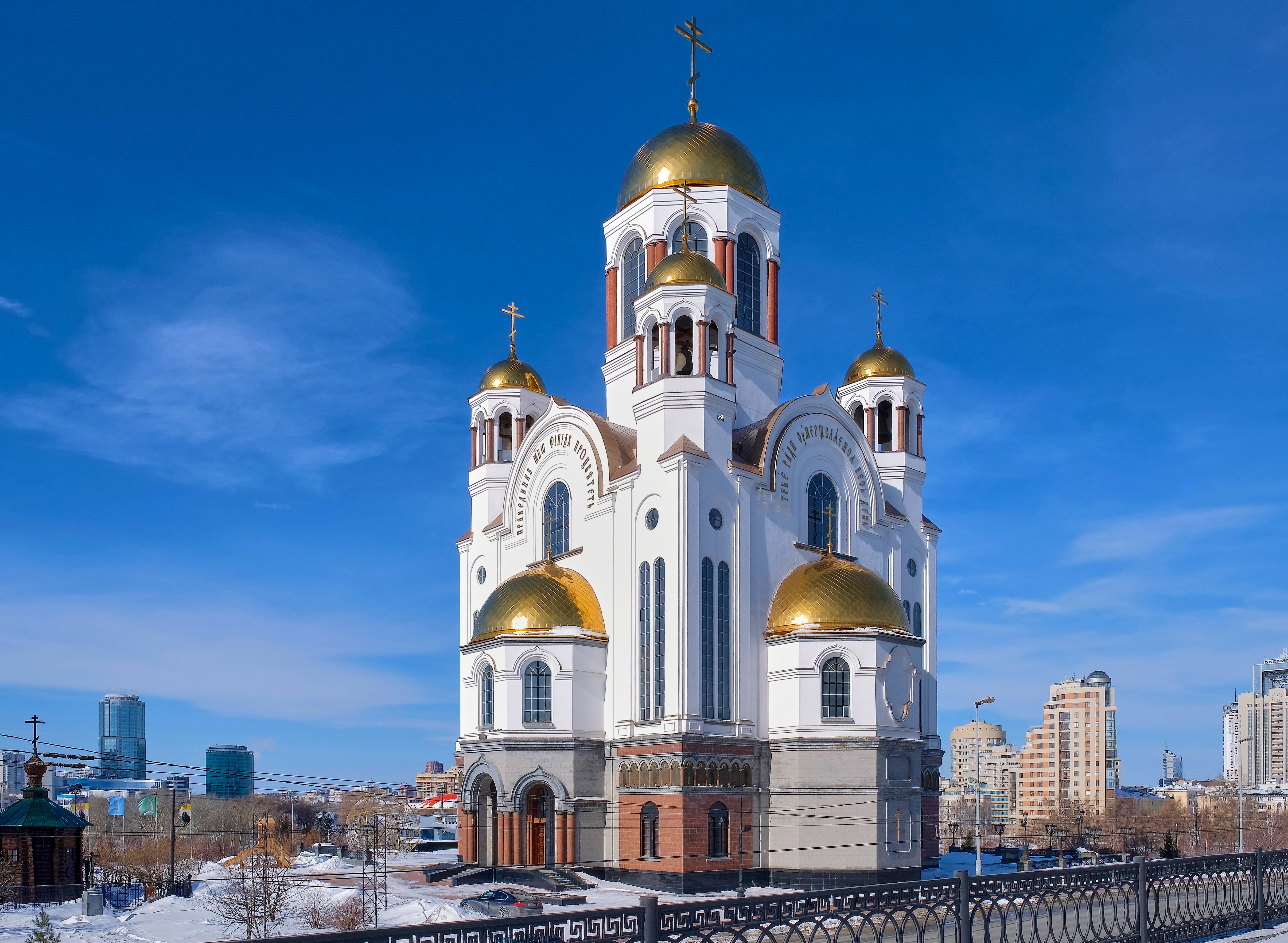
Ekaterinburg is where Europe ends and Asia begins — literally. Russia's fourth-largest city straddles the Ural Mountains, and about 40 km west of the centre you can stand with one foot on each continent at the Europe-Asia border monument. But the city itself is the real draw: a gritty, confident metropolis with a dark history, striking architecture, and more energy than you would expect from a place that was closed to foreigners until 1990.
Founded in 1723 by Peter the Great and named after his wife Catherine, Ekaterinburg has always been an industrial powerhouse. The Urals' iron mills and legendary Kasli cast-iron foundries put the city on the map, and by the 19th century it was Russia's mining and metalworking capital — as the Ural Geological Museum and the Museum of Fine Arts demonstrate with their extraordinary collections.
The city's most infamous moment came on 16 July 1918, when the last Tsar, Nicholas II, and his family were executed by the Bolsheviks in the basement of Ipatiev House. The house was demolished in 1977 on the orders of the local Communist Party chief — a young Boris Yeltsin, who would later become Russia's first president. In its place stands the Cathedral on the Blood, one of the most visited pilgrimage sites in the country. The extraordinary Yeltsin Center museum tells the rest of that story with frankness rare in contemporary Russia.
Renamed Sverdlovsk during the Soviet era, the city was a closed military-industrial zone for decades — which also made it a showcase for constructivist architecture, some of the finest examples of which survive in the city centre today. The secrecy lifted in 1990, and what visitors found was surprising: a city of handsome 18th- and 19th-century classical buildings like the Rastorguev-Kharitonov Palace, pre-revolutionary churches, and a thriving cultural scene.
Today Ekaterinburg is a confident, modern city of around 1.5 million people. The Iset River runs through the centre, lined with parks and promenades. The Weiner Street pedestrian boulevard and the quirky Keyboard Monument on the riverbank give the centre a livelier character than most Russian cities manage. For travellers crossing the Urals on the Trans-Siberian Railway, it is the natural place to stop, stretch your legs, and discover a city with far more character than its Soviet-era reputation suggests.