Gran Canaria packs an unlikely amount of variety into 1,532 square kilometres: volcanic peaks, deep ravines, fertile valleys, and a southern coastline dominated by one of Europe's most famous beach resorts. The island is roughly circular, which means the interior mountains intercept northern clouds and keep the south perpetually sunny — you can swim in January.
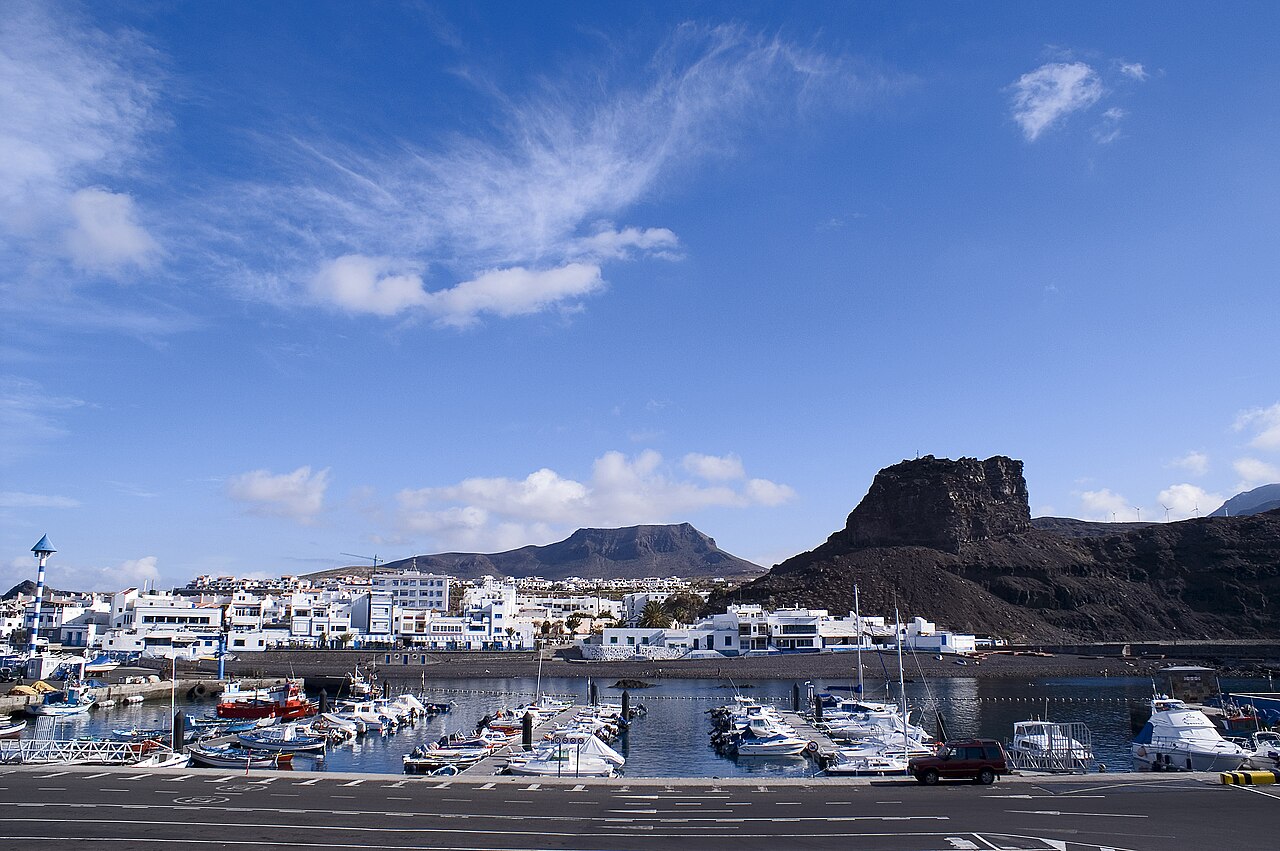
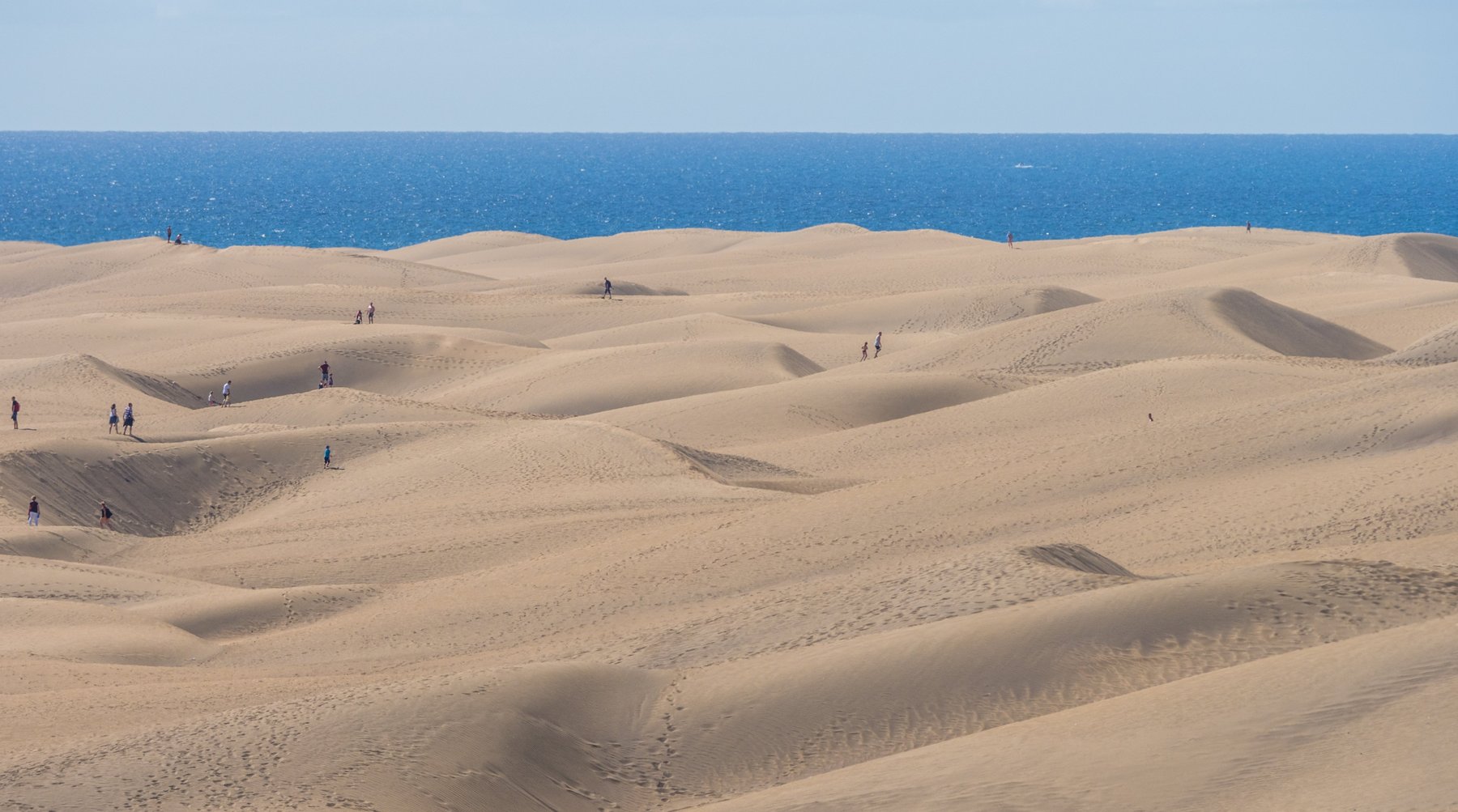
Roughly 50 of the 236 kilometres of coastline are beaches. The south is the most visited stretch: Maspalomas, Playa del Inglés, and San Agustín run together into a continuous resort belt anchored by the Maspalomas dunes — 250 hectares of sand that spill down to the sea like a miniature Sahara. Puerto Rico and Mogán are smaller and quieter, both built around marinas and good for water sports.
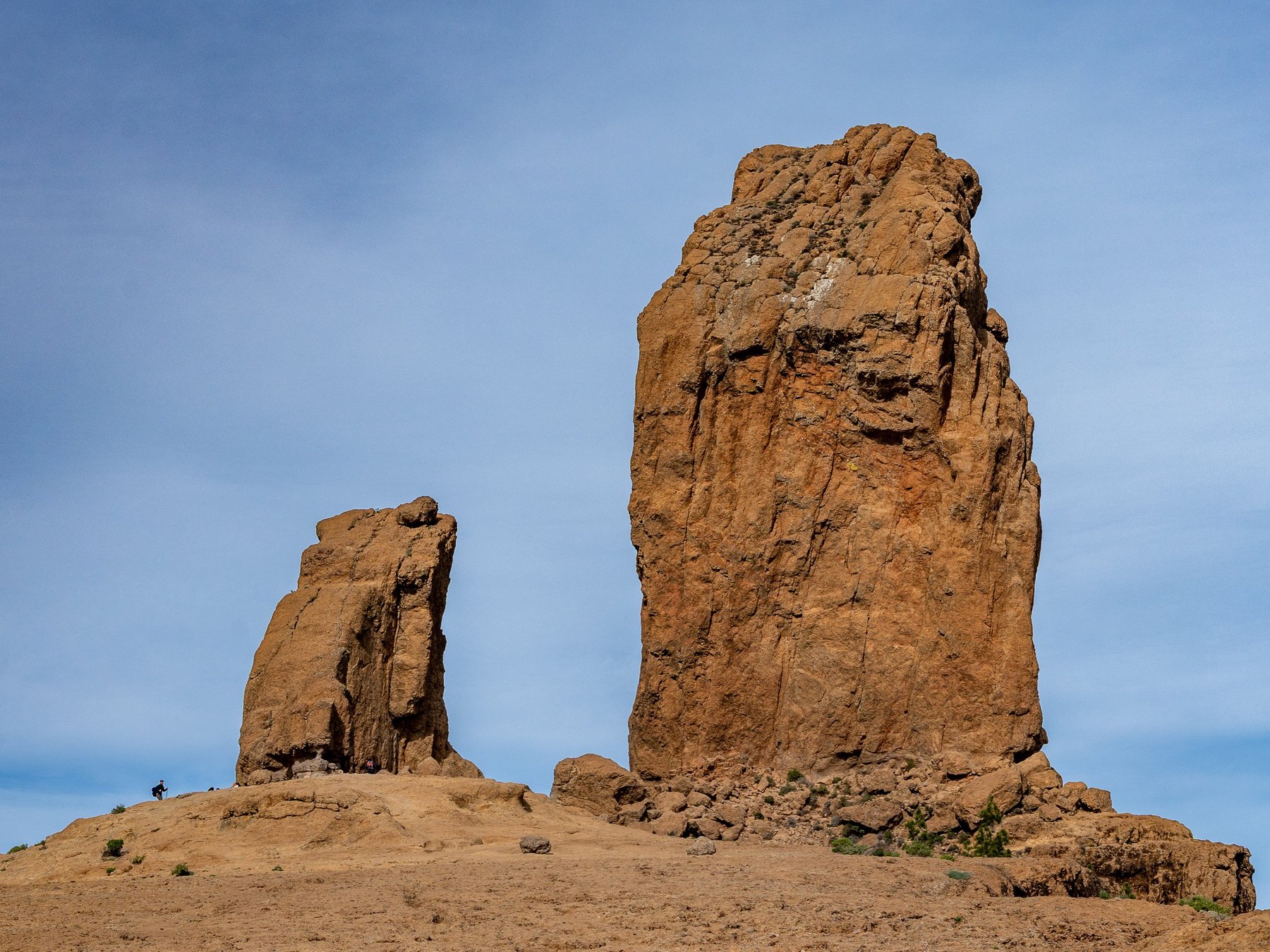
Beyond the resorts the landscape changes quickly. The GC-60 road climbs into the interior through terraced hillsides and pine forests to Roque Nublo, a basalt monolith at 1,813 metres that is the most recognisable landmark on the island. The market town of Tejeda sits below it, surrounded by almond orchards that flower white every February. On the northwest coast, Agaete is a genuine working town with a small port and a valley famous for growing the only commercial coffee in Europe.
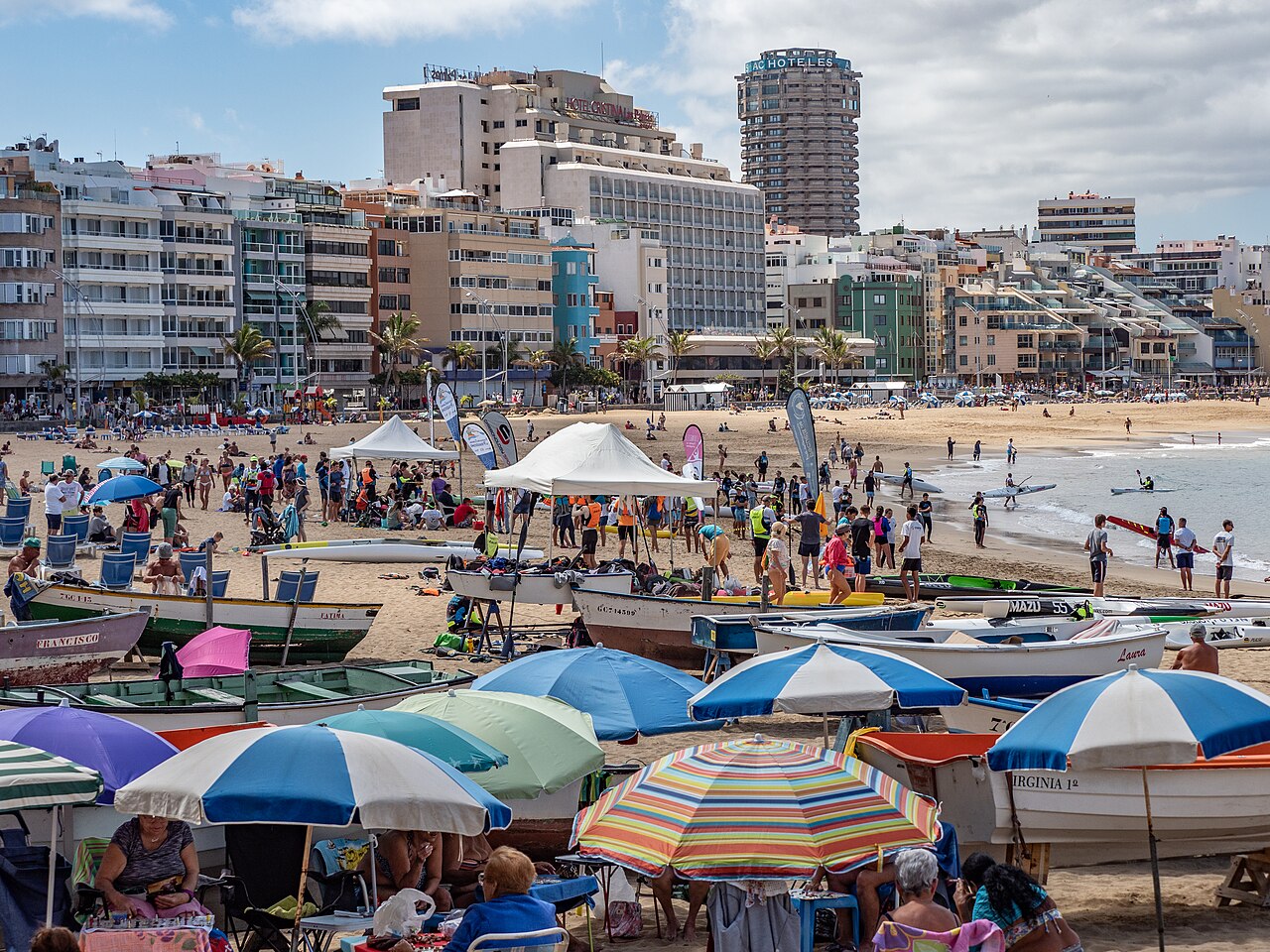
Las Palmas de Gran Canaria, the island's capital in the north, is a proper city of around 400,000 people. The old quarter of Vegueta — where Columbus stayed before his first Atlantic crossing — has cobbled streets, colonial mansions, and the excellent Museo Canario. The city beach, Las Canteras, is a long urban strand backed by a promenade rather than a hotel strip.