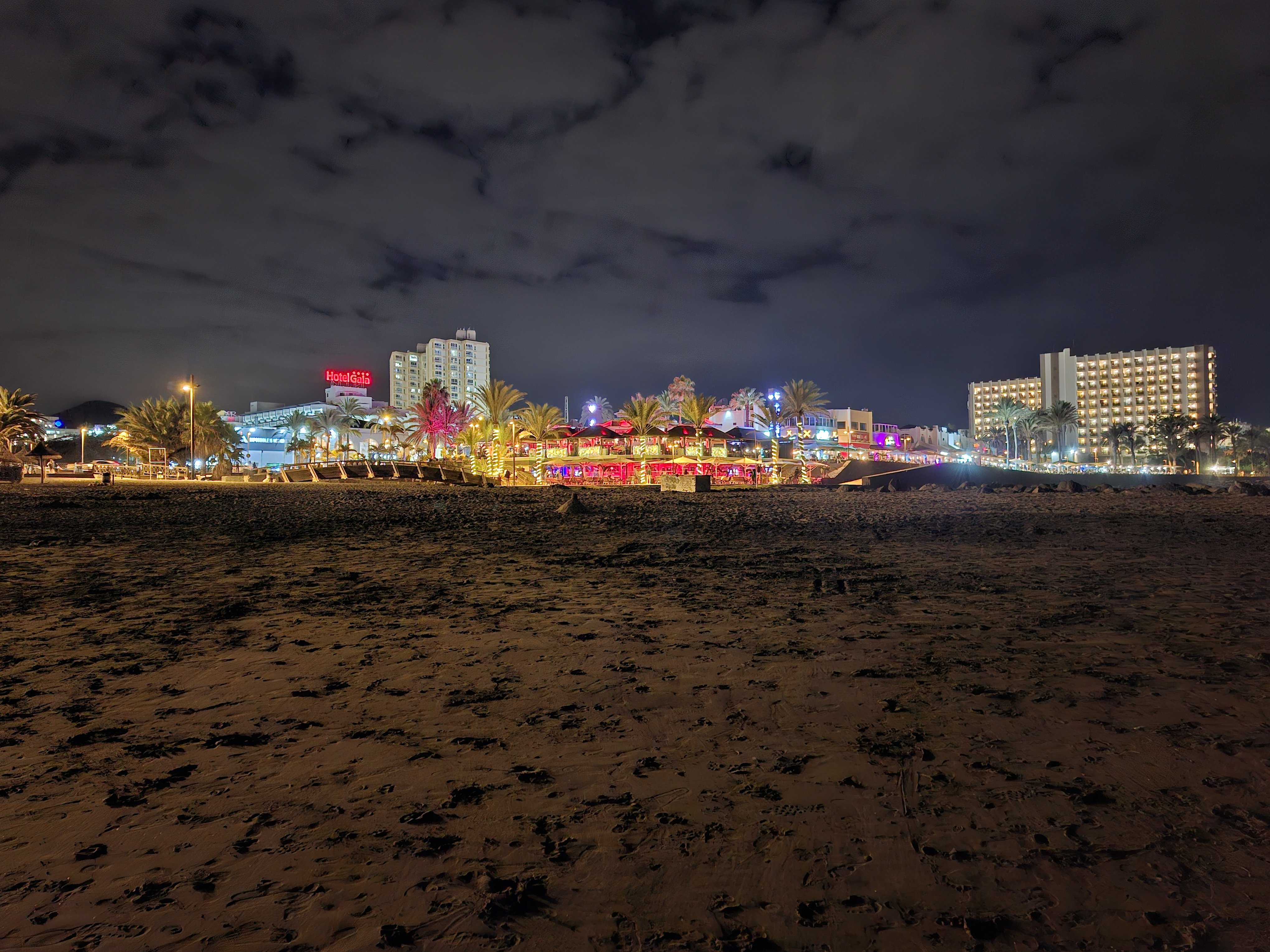
The Canary Islands are a Spanish archipelago of seven inhabited volcanic islands in the Atlantic, closer to Morocco than to mainland Spain. The latitude (28°N, about level with southern Florida) and the persistent trade winds give them the gentlest year-round climate in Europe — coastal temperatures bounce between 18°C in January and 25°C in August, with almost no rain on the south coasts of the big islands. That consistency, combined with cheap charter flights from northern Europe, has made the Canaries the continent's winter-sun destination of choice; more than twelve million visitors arrive each year.
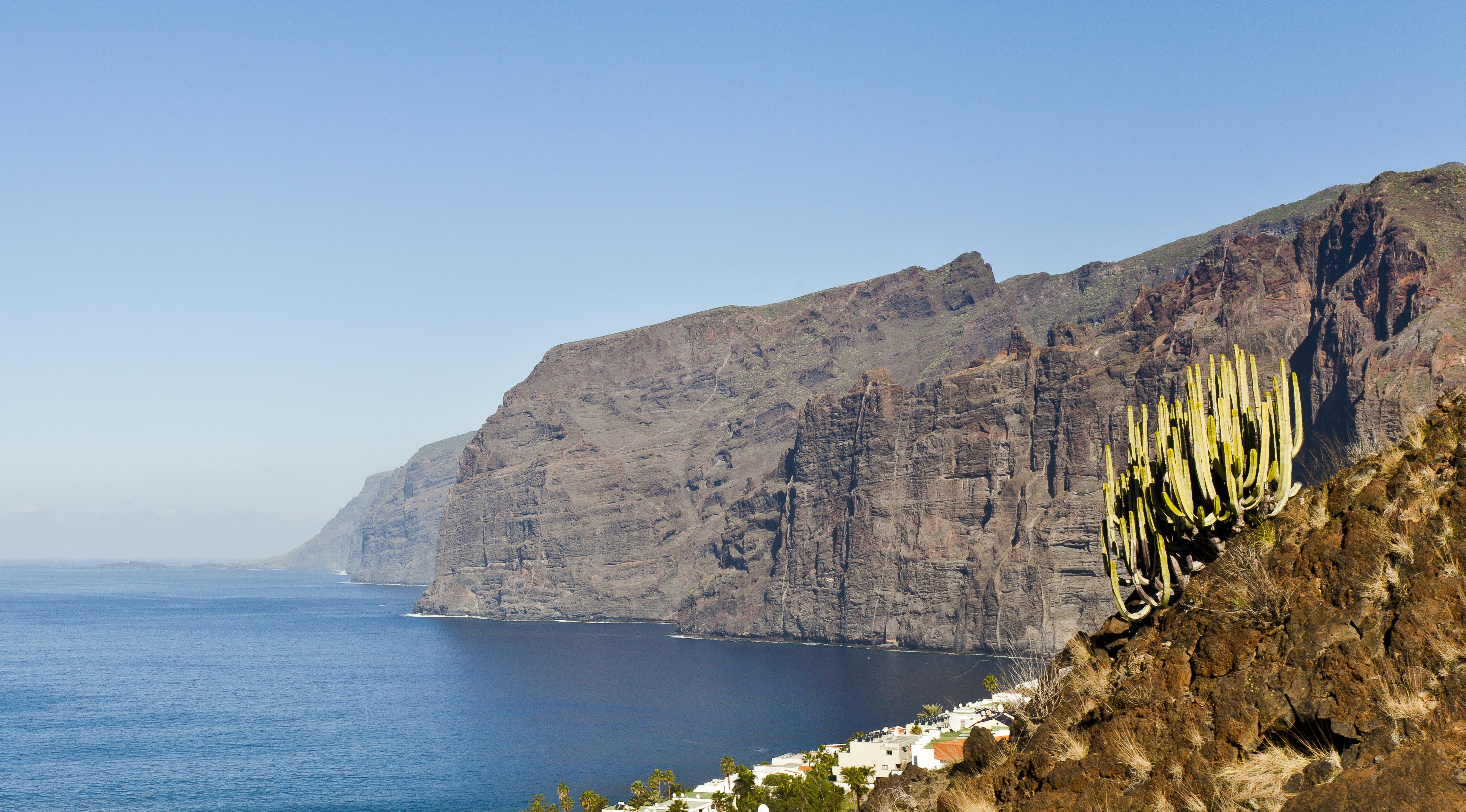
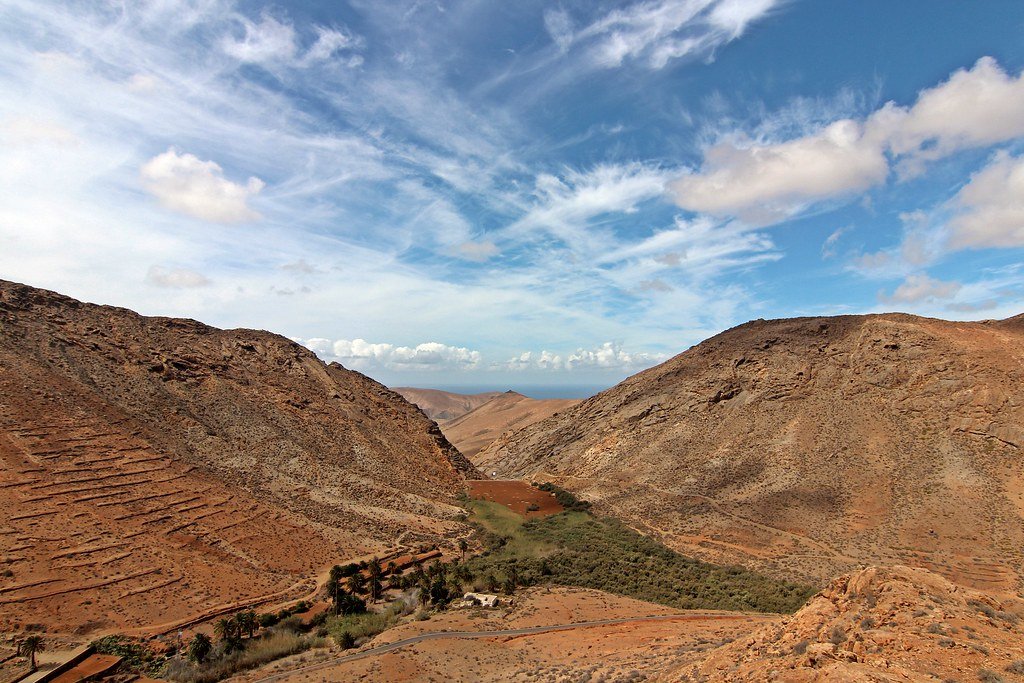
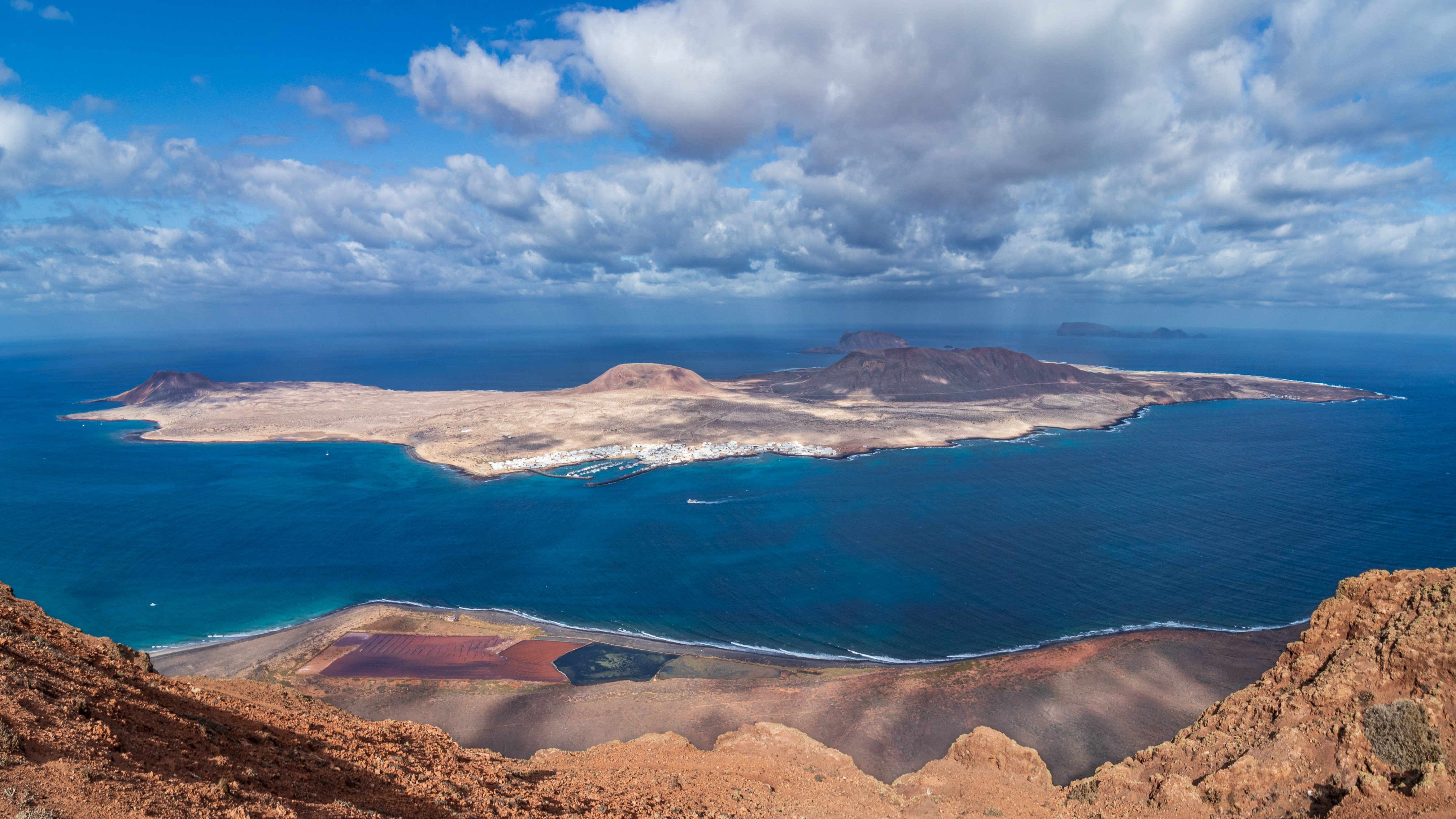
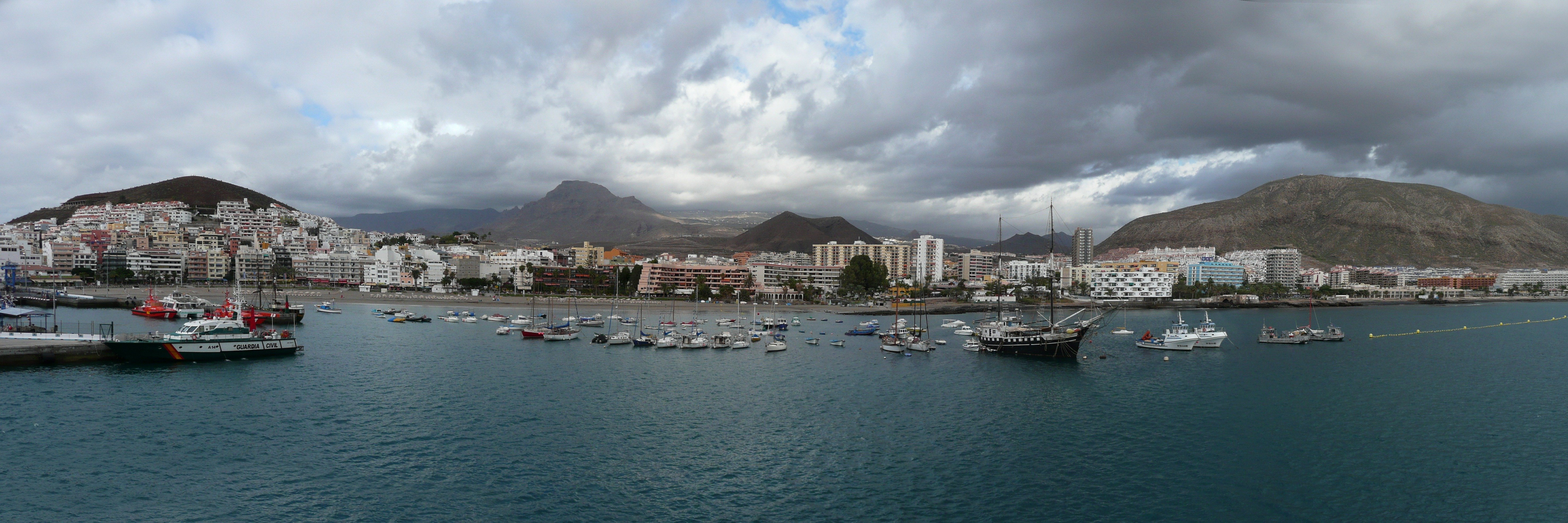
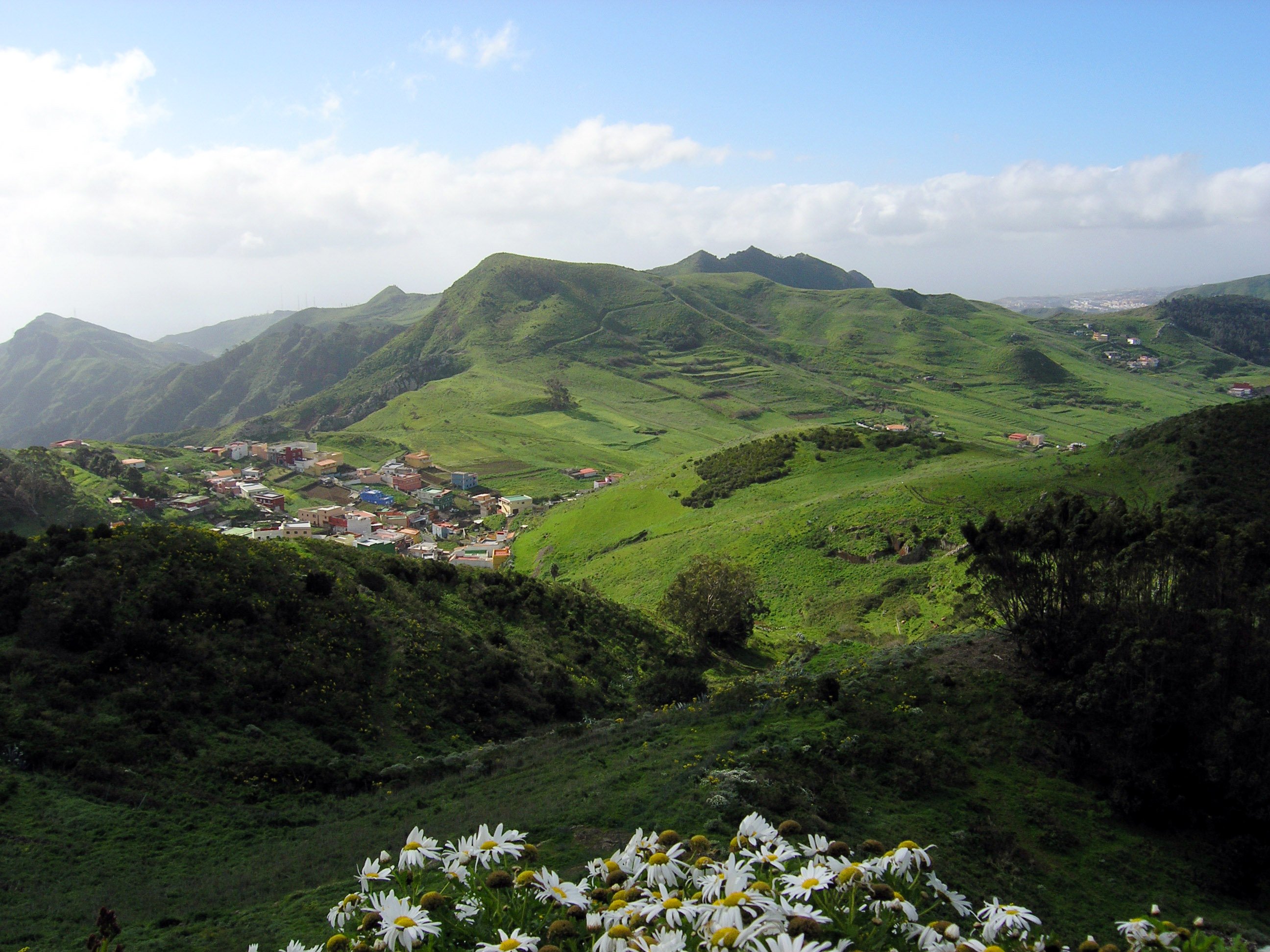
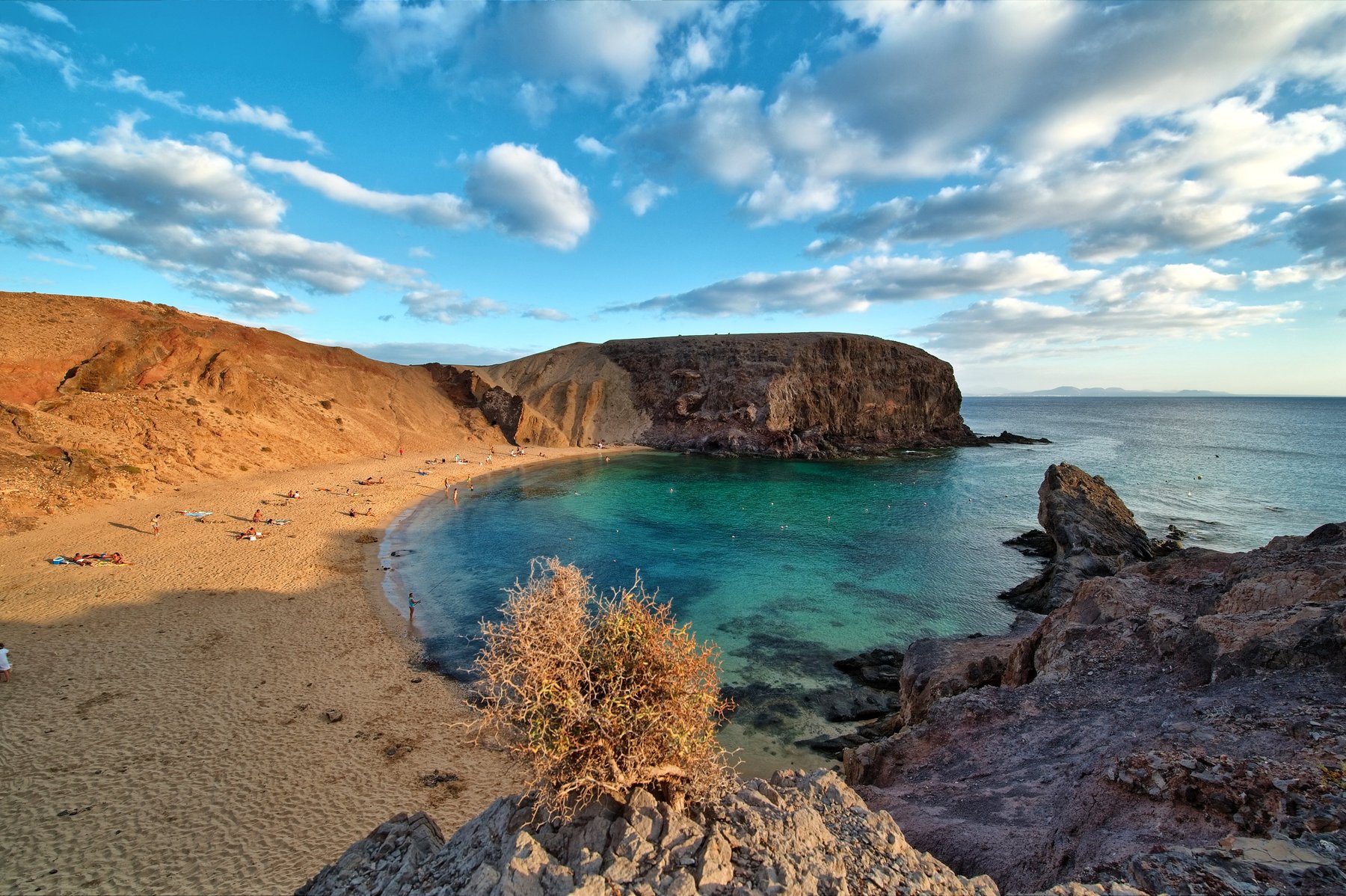
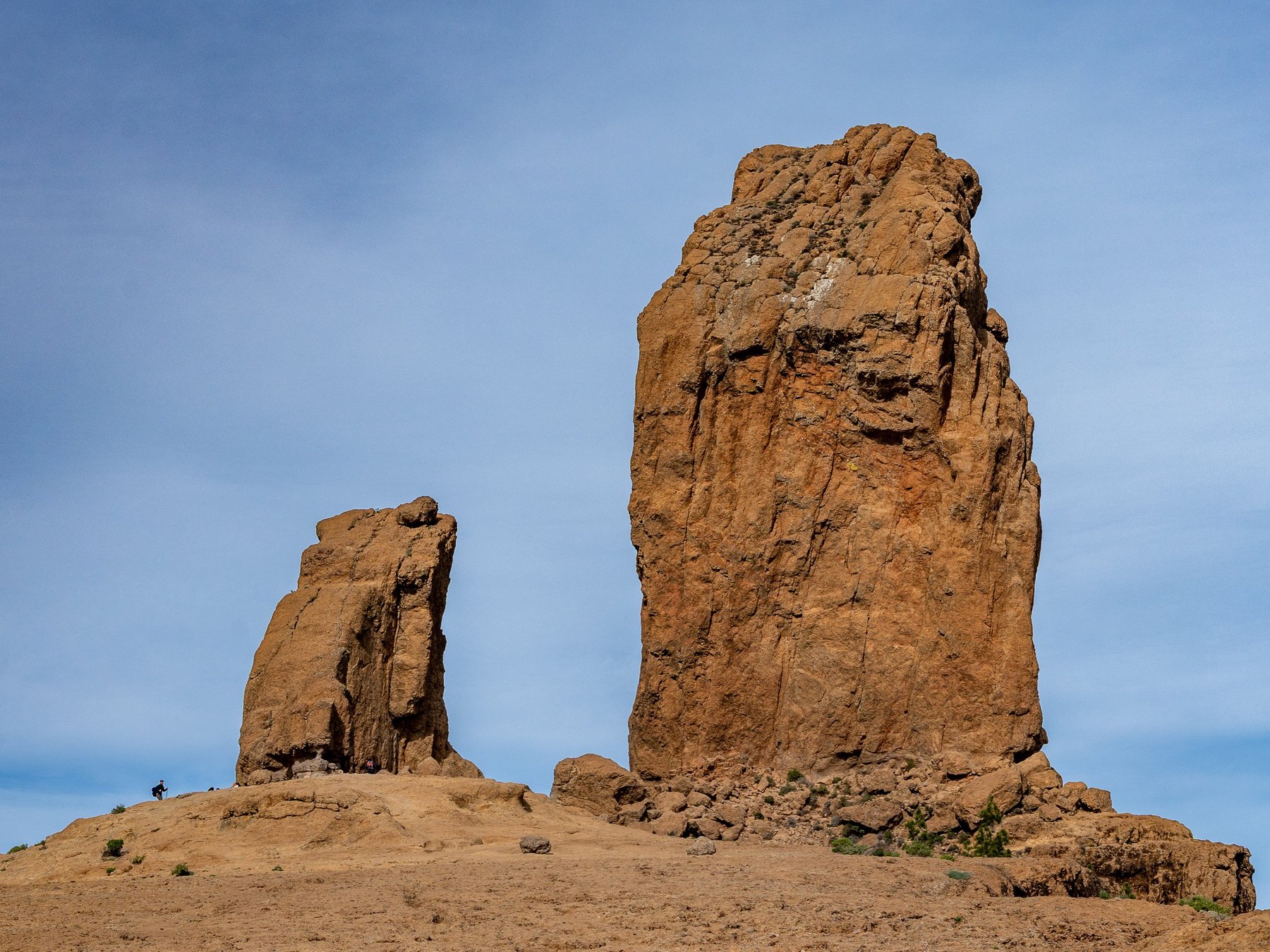
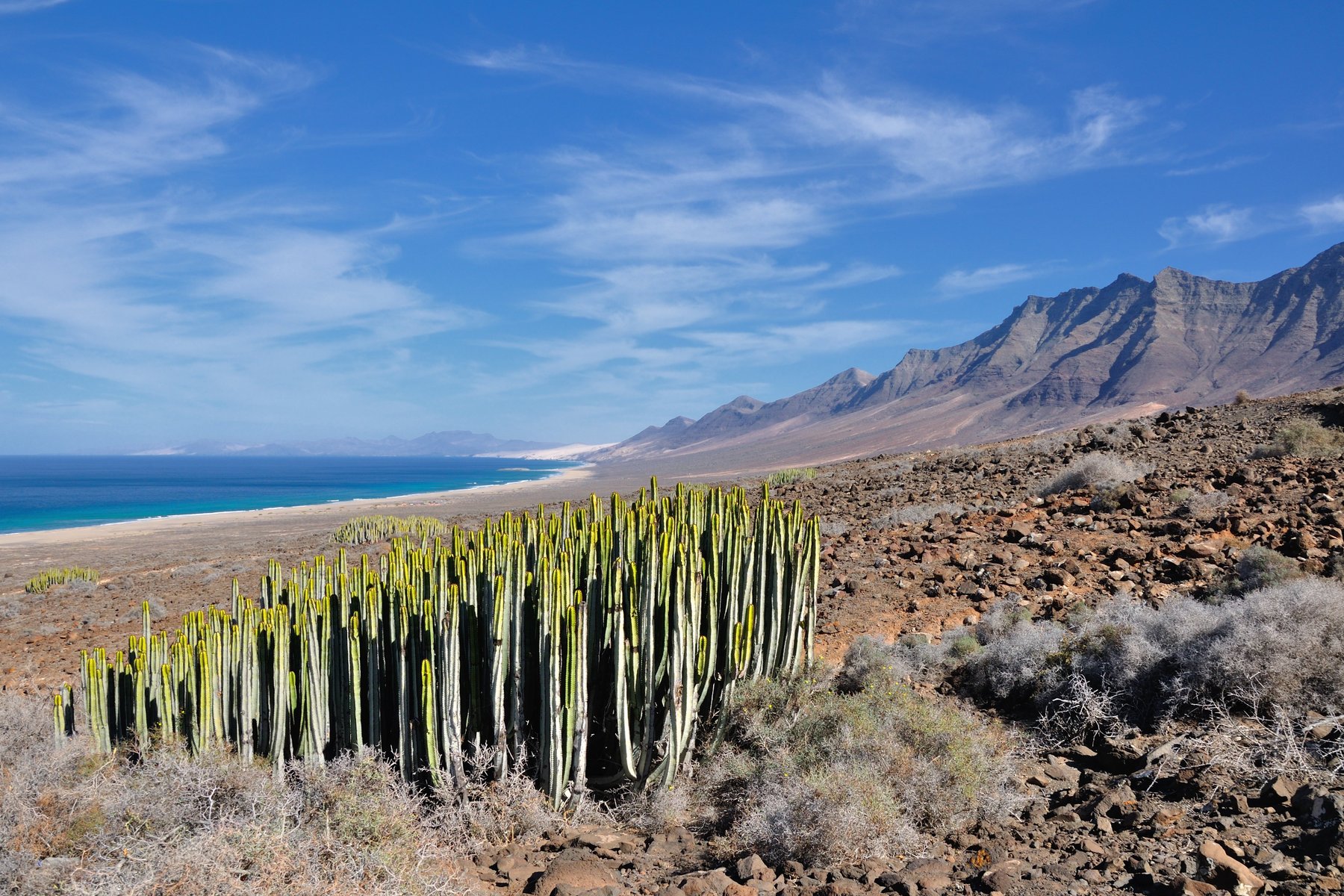
The islands are dramatically different from one another despite their shared volcanic origin. Tenerife is the largest and most varied, with the 3,718-metre cone of Teide (the highest point in Spain) at its centre, old colonial towns like La Laguna in the north, and resort beaches along the south coast. Gran Canaria has the most spectacular range of landscapes packed into a single island — pine forests, green valleys, desert dunes at Maspalomas, and the chaotic capital of Las Palmas with its own excellent old town. Lanzarote is almost Martian — black lava, Timanfaya's still-smouldering volcanoes, and the distinctive green-shuttered architecture shaped by the artist César Manrique. Fuerteventura is the beach island — hundreds of kilometres of Saharan-style dunes and empty white sand, and some of the best windsurfing in Europe.
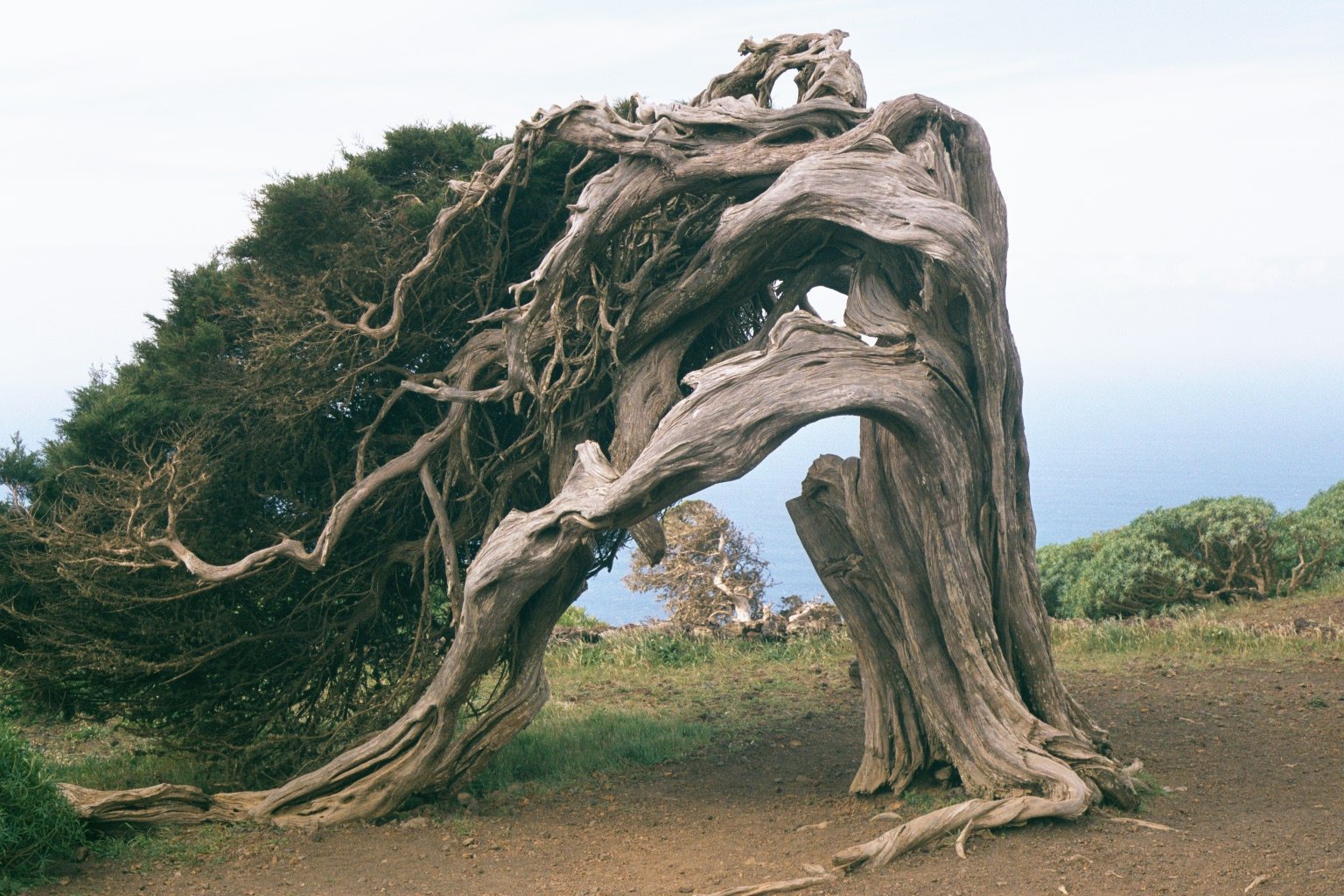
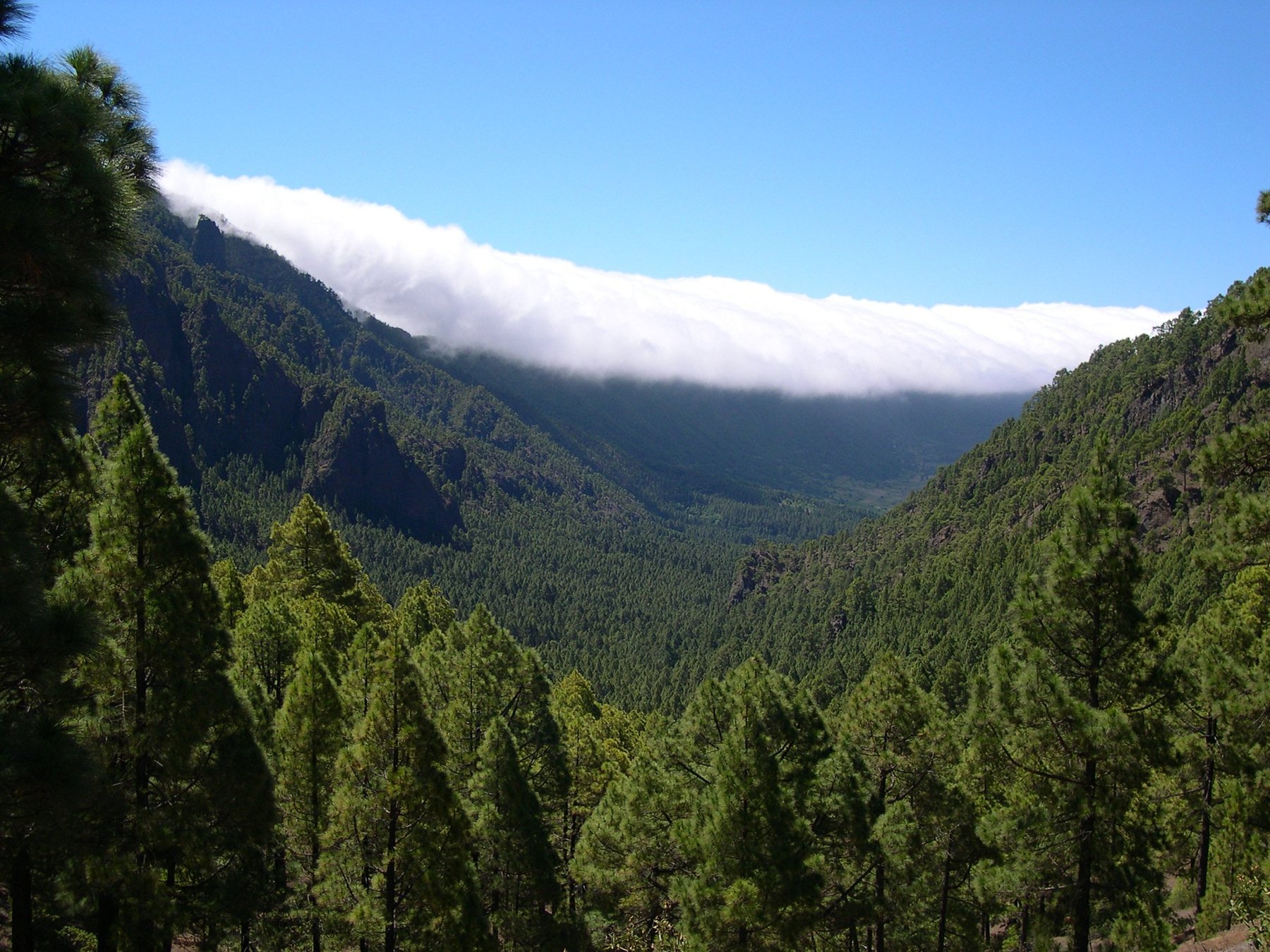
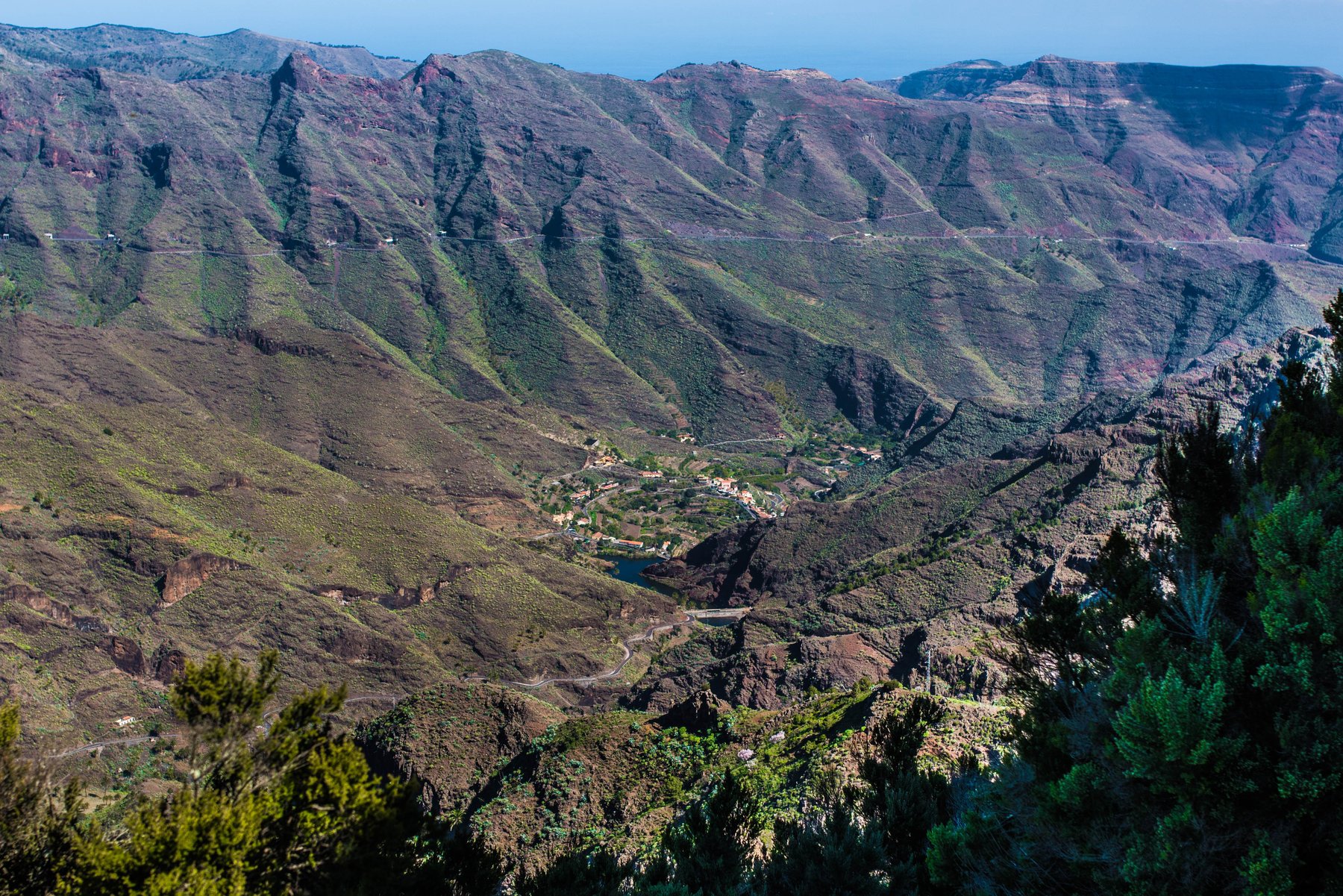
The three smaller western islands are quieter and more dramatic. La Gomera has the Garajonay cloud forest (a UNESCO site) and the Silbo whistling language that locals still use to communicate across its deep ravines. La Palma is "the beautiful island," a volcanic ridge covered in laurel forest and the darkest night sky in Europe — home to some of the world's most important optical observatories. El Hierro is the smallest, farthest west, and the most off-grid.
Canary food is distinct from mainland Spanish. Papas arrugadas (salty wrinkled new potatoes) with mojo sauce (red pepper or green coriander), gofio (toasted grain flour), and fresh grilled fish are on every menu. Malvasía wines from Lanzarote and Tenerife, grown in volcanic ash, are a genuine find.