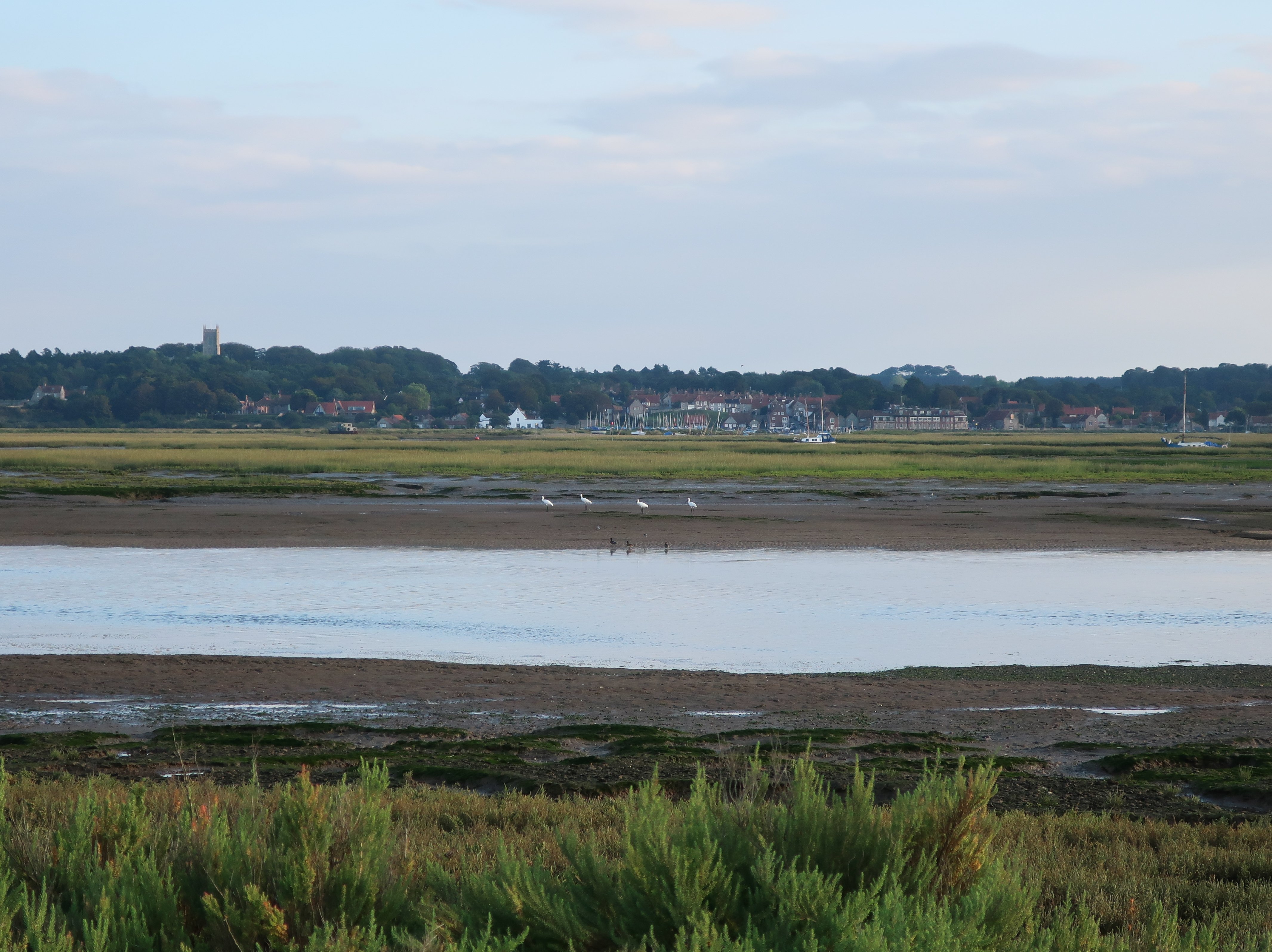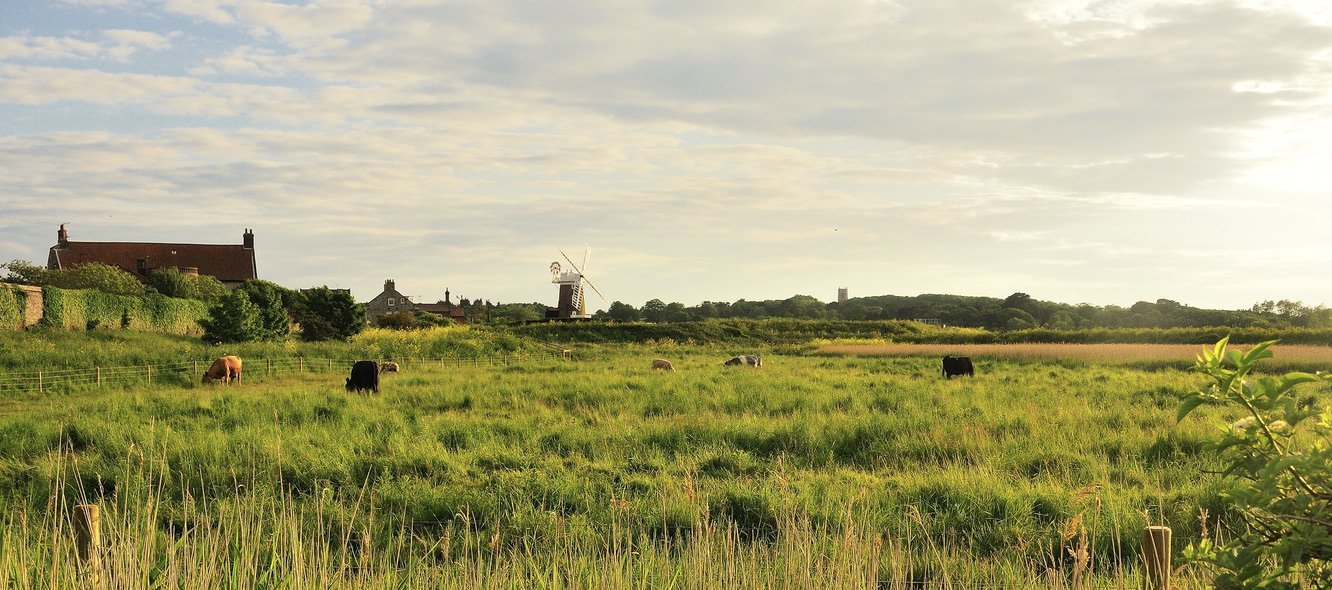
The North Norfolk Coast is one of England's most rewarding stretches of coastline — an Area of Outstanding Natural Beauty that runs from Hunstanton in the west to Cromer in the east. Unlike the sandy resort beaches further south, this coast is defined by salt marshes, tidal creeks, dune systems, and shingle banks, with the sea often invisible from the land.
The RSPB reserve at Titchwell Marsh is among the best birdwatching sites in England, with avocets, marsh harriers, and Bewick's swans in season. Blakeney Point, a long shingle spit managed by the National Trust, is home to England's largest grey seal colony. The seal pups arrive in November and December; boat trips run from Blakeney and Morston quays throughout the year.
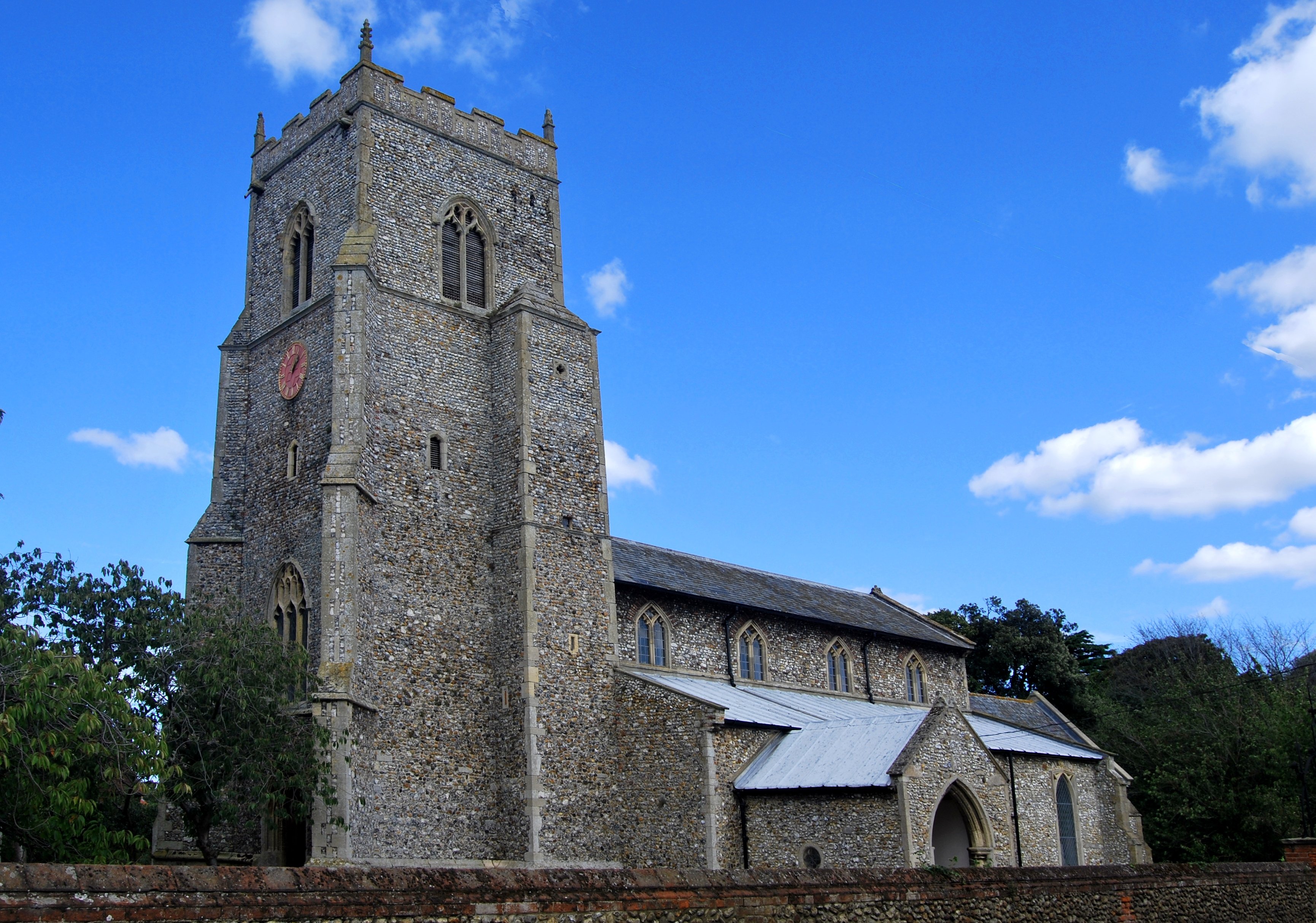
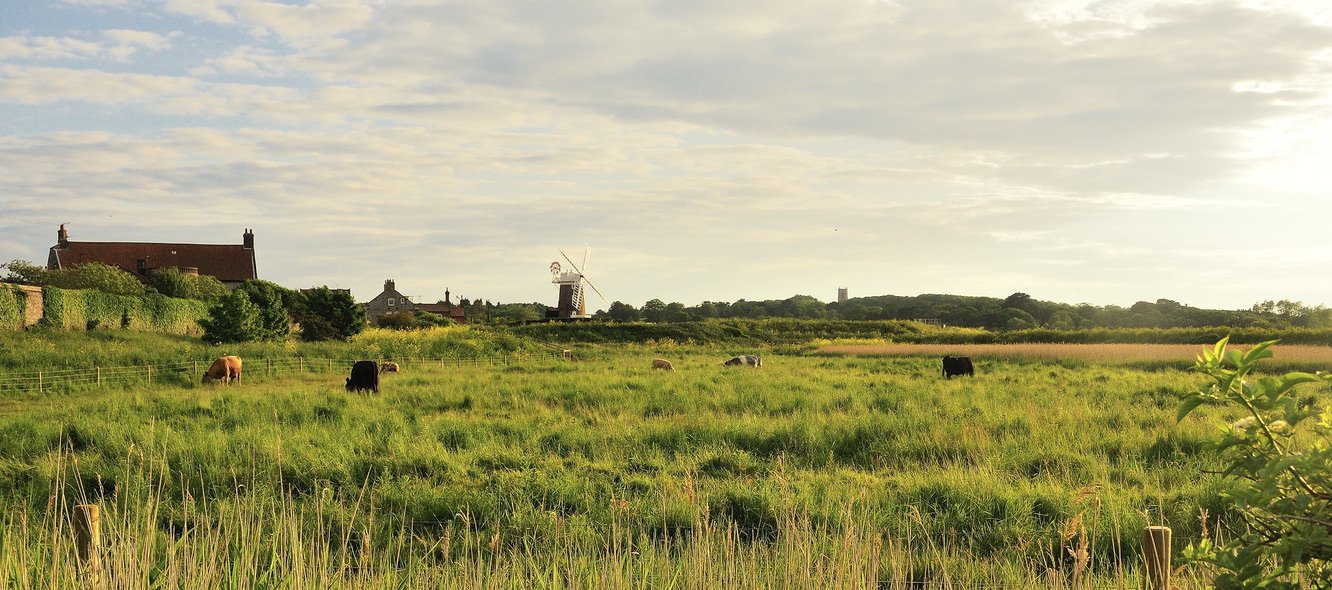
The villages along the coast are small and largely unspoilt: Brancaster, Burnham Market, Burnham Deepdale, Stiffkey, Cley next the Sea, and Weybourne. Burnham Market — sometimes nicknamed "Chelsea-on-Sea" for its well-heeled second-home visitors — has the best concentration of independent shops and restaurants. Cley has a renowned smokehouse and a fine windmill that offers bed and breakfast.
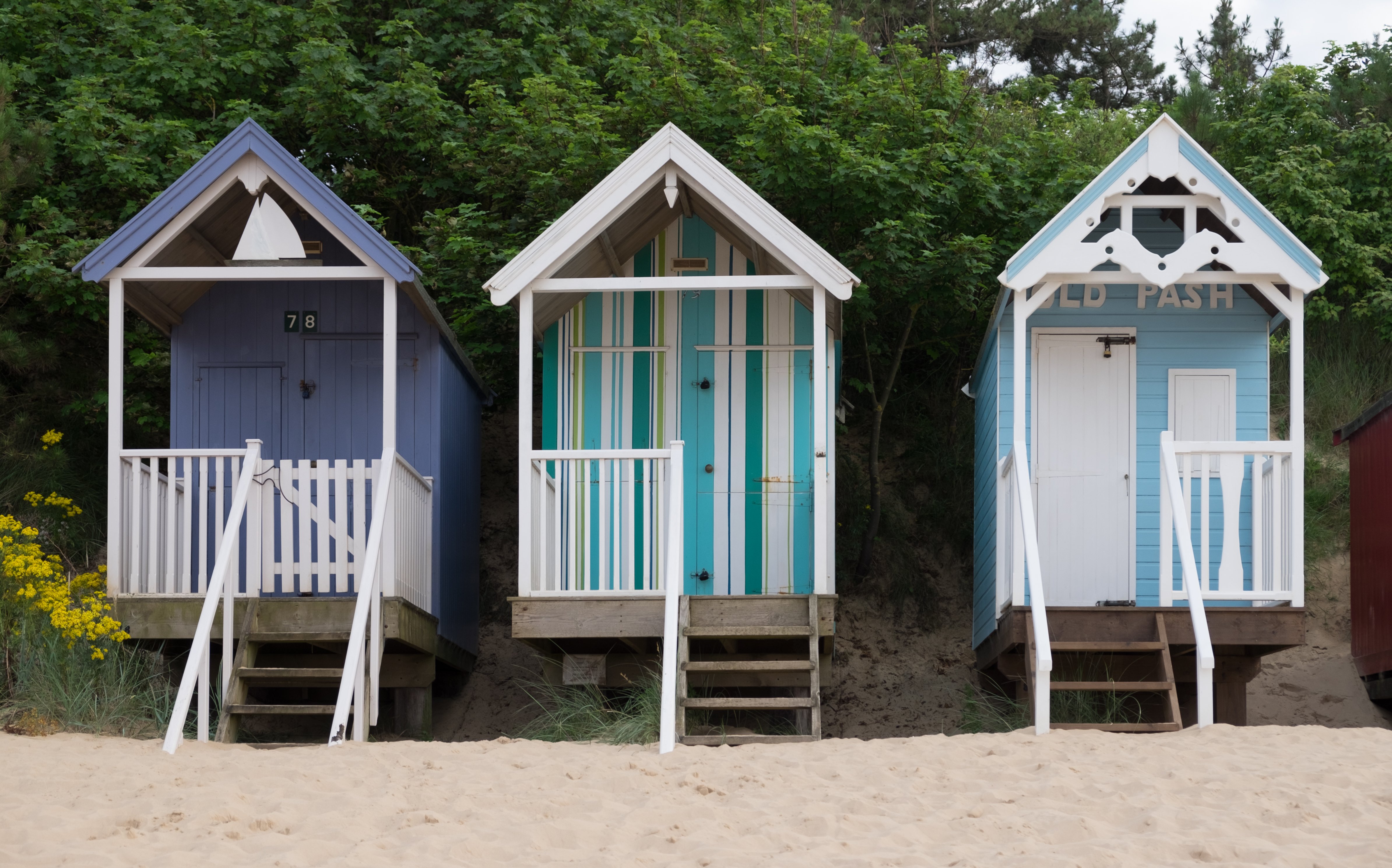
Cromer, at the eastern end, is a traditional English seaside town famous for its crabs. The pier still has a working end-of-the-pier theatre. Wells-next-the-Sea, in the middle of the coast, is a small working harbour with a beach popular with families.