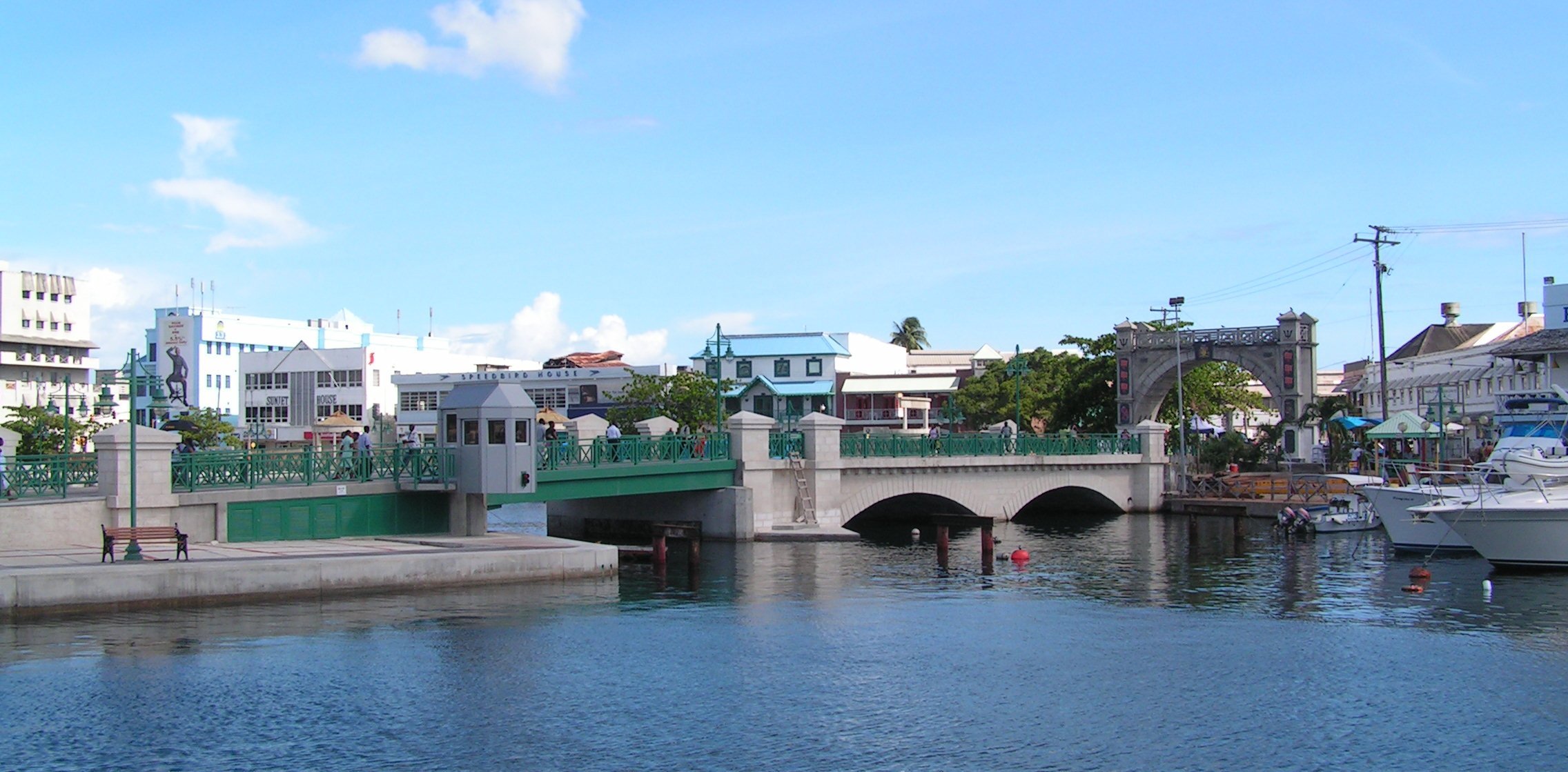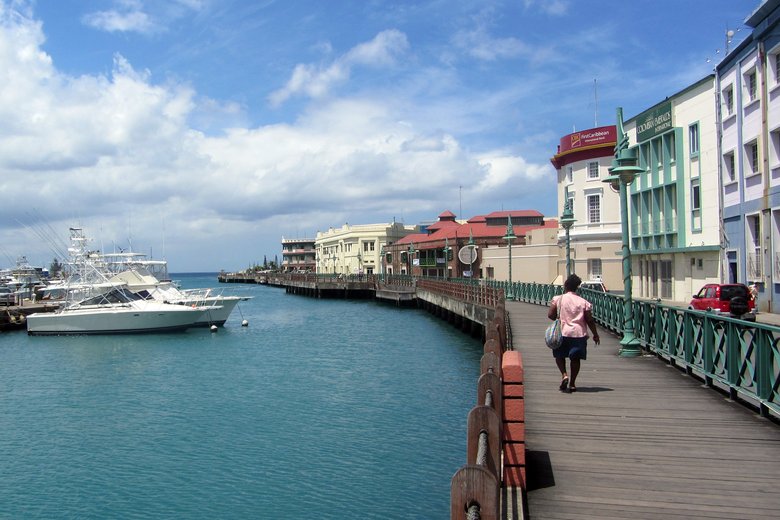
Barbados is the most easterly island in the Caribbean — it sits alone in the Atlantic, well east of the main arc of the Lesser Antilles. This position shapes everything about it: the trade winds that keep the east coast surf-blown and wild, the coral aquifer that makes the tap water some of the purest in the Caribbean, and a certain self-assurance that comes from an island that has always stood slightly apart.
At 430 square kilometres, it's small enough to drive end-to-end in under an hour, but the differences between coasts are dramatic. The west coast is the Caribbean side — calm turquoise water, fine white sand, luxury hotels. The east coast faces the full force of the Atlantic: crashing surf, rocky outcrops, and a dramatic, largely undeveloped shoreline. The centre of the island rises into the Scotland District, a surprising landscape of rolling green hills.
Barbados was a British colony from 1625 until independence in 1966, and the influence runs deep — driving on the left, cricket as a near-religion, Anglican churches at every crossroads, a Parliament building that has been in continuous session since 1639. But "Little England" never quite captured it. The culture is Caribbean first: Crop Over, calypso, rum punch, the Friday night fish fry at Oistins. In 2021 Barbados became a republic, removing the British monarch as head of state — a gesture that felt long overdue to most Bajans.
Tourism is the main industry, and the island is experienced at it. The infrastructure is good, the people are genuinely welcoming, and the beaches live up to the brochures. What Barbados does less well is solitude — this is a busy island, and the west coast in particular can feel like a continuous hotel strip. If you want to find the quieter Barbados, head east.