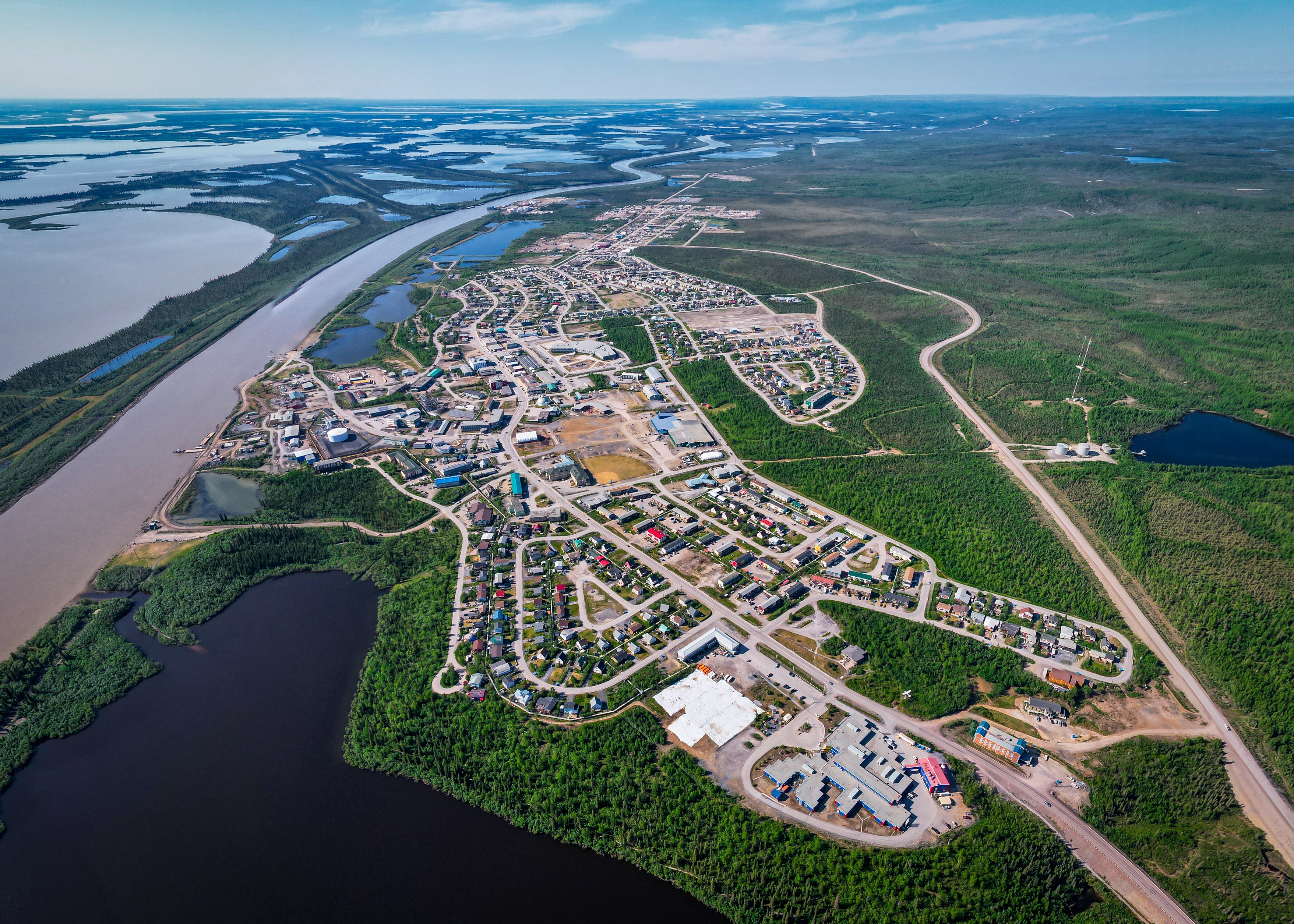
The Northwest Territories covers more than 1.3 million square kilometres of subarctic and Arctic Canada — bigger than South Africa — and holds a population of around 45,000 people, roughly half of them Indigenous. It is one of the few places in Canada where you can still feel genuinely far from everything. The territory borders the Yukon to the west, Nunavut to the east, and the Beaufort Sea to the north, and contains some of the most dramatic wilderness in the country: boreal forest, tundra, the Mackenzie River Delta, and Great Slave Lake, one of the deepest lakes in the world.
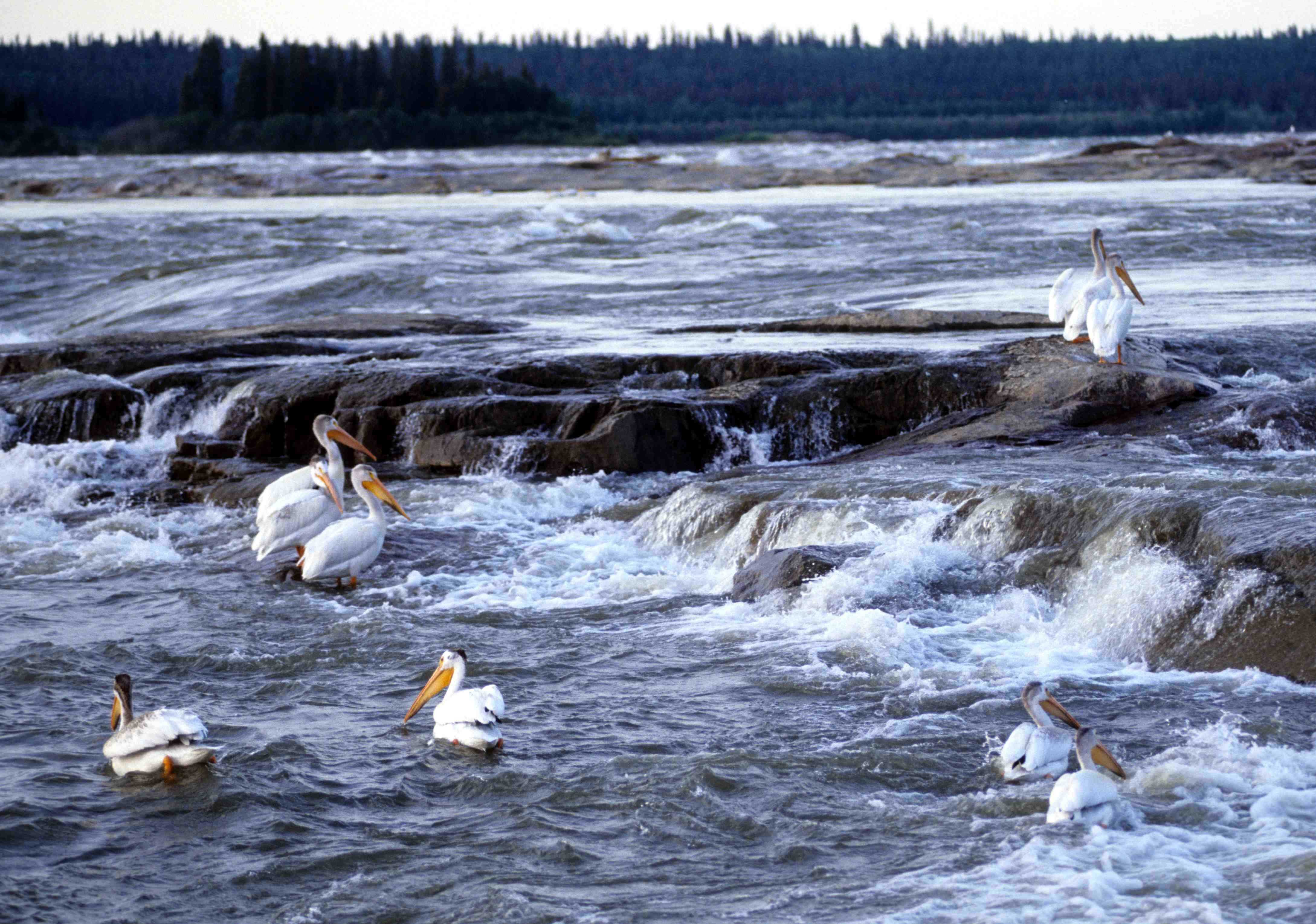
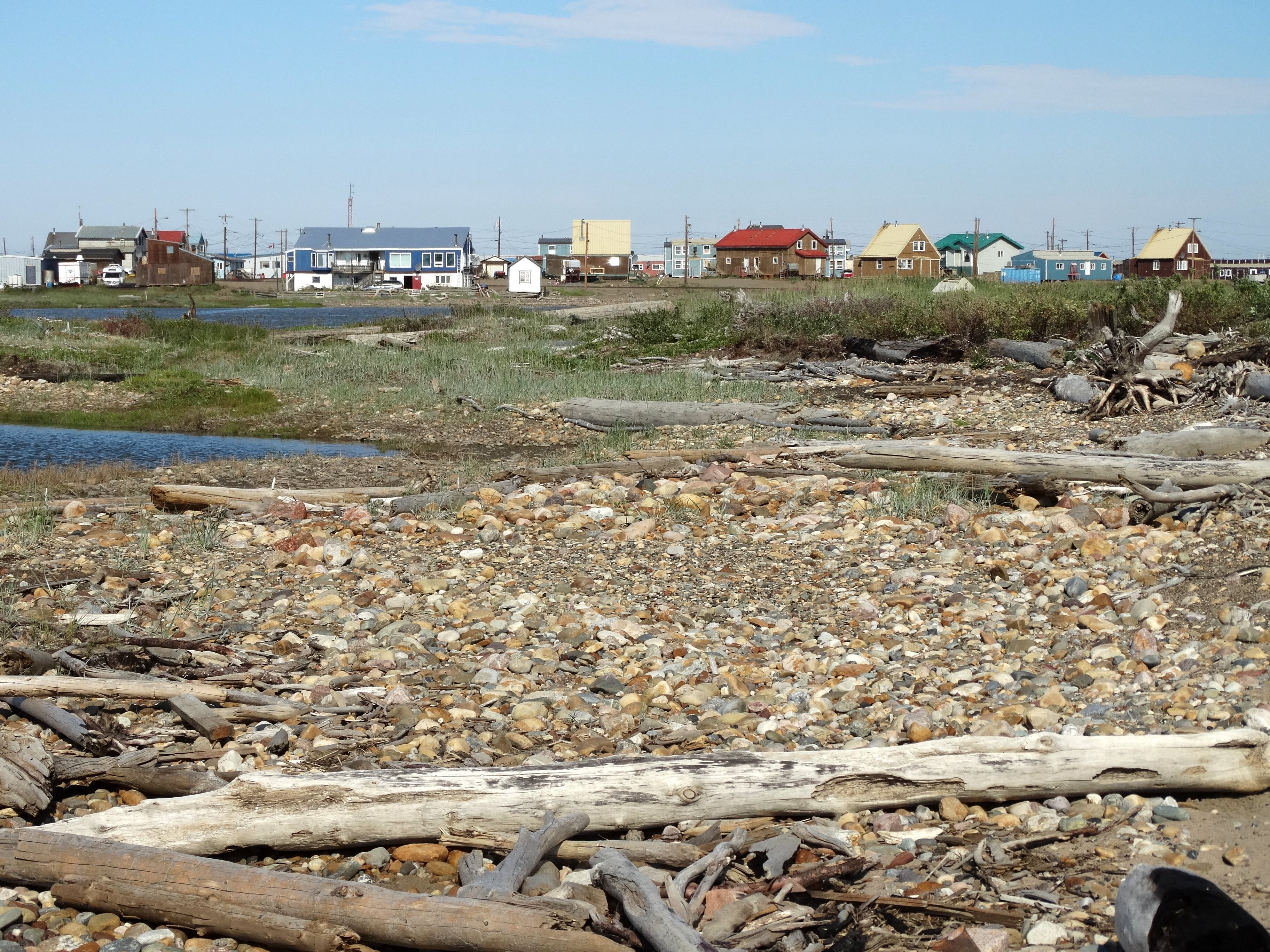
Yellowknife is the capital and the only true city, sitting on the north shore of Great Slave Lake and serving as the gateway to everything else. It is internationally known for aurora borealis viewing — the northern lights are reliably visible here on roughly 240 nights a year — and has the frontier character you would expect of a town that grew up around gold mining. Inuvik anchors the western Arctic, at the end of the Dempster Highway above the treeline; from here you can drive on to Tuktoyaktuk on the Arctic Ocean. Fort Smith in the south is the jumping-off point for Wood Buffalo National Park, a UNESCO World Heritage Site protecting the world's largest free-roaming bison herd and the only known nesting ground of the whooping crane.
Travel here is largely self-sufficient — distances are enormous, roads are gravel, and in winter temperatures drop well below minus 40. That is exactly the point. If you want to canoe the Nahanni, drive the Dempster, or watch the lights from a frozen lake, this is where you come.