Fort Smith
©
Fort Smith

Fort Smith

Northwest Territories town and gateway to Wood Buffalo National Park, set beside Slave River rapids.

Fort Smith sits at the northern edge of Alberta on the banks of the Slave River, just inside the Northwest Territories — and it is the administrative headquarters of Wood Buffalo National Park, Canada's largest national park and a UNESCO World Heritage Site. If you are heading into that vast wilderness of boreal forest, salt plains, and bison meadows, this is where you start.

The town is small — around 2,500 people — but punches well above its weight for anyone interested in northern wildlife. Wood Buffalo is home to the world's largest free-roaming bison herd, whooping cranes nesting in the wild, and the Peace-Athabasca Delta, one of the world's great freshwater deltas. The park headquarters here can set you up with maps, guided programs, and everything you need before you head in.

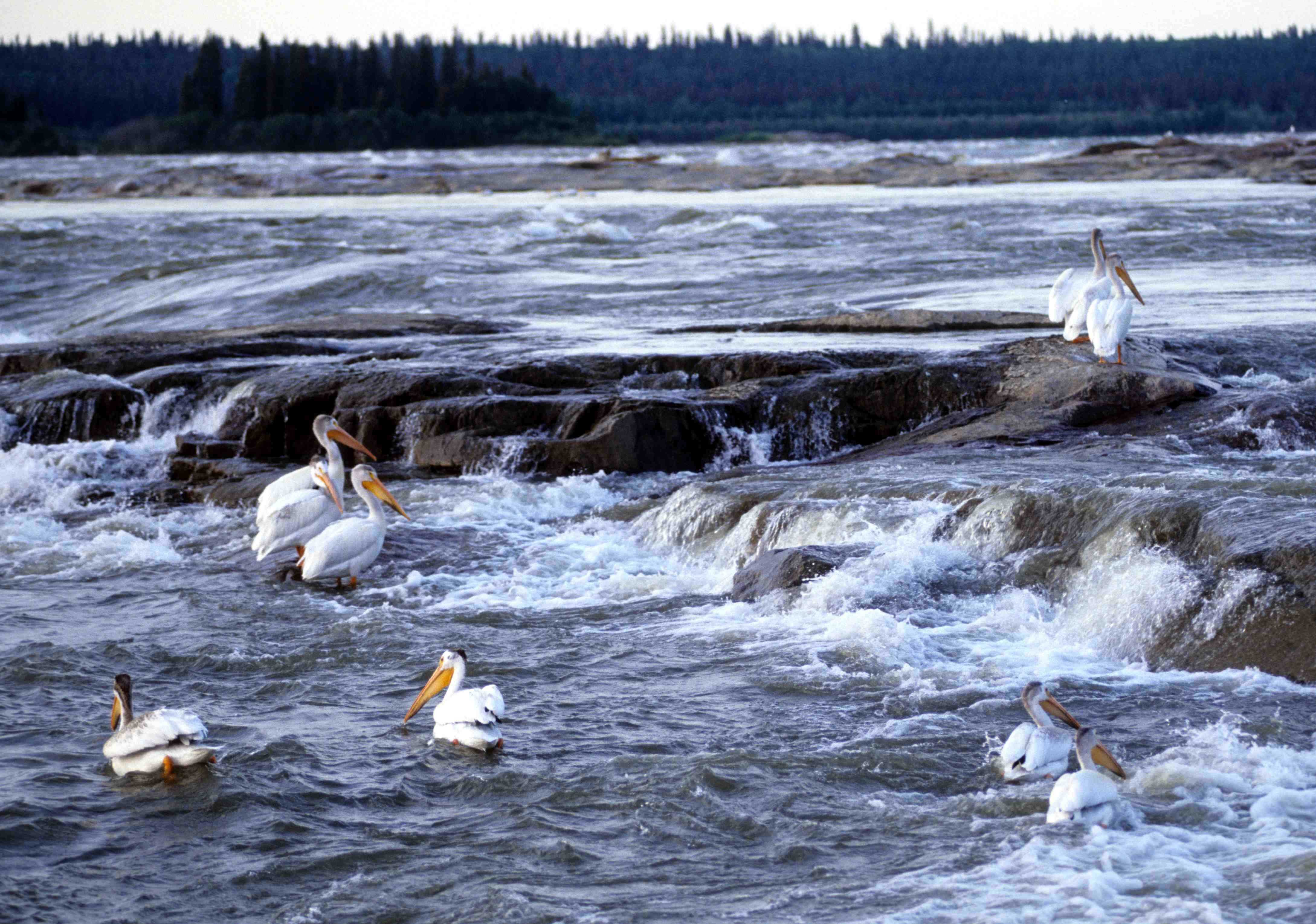
The Slave River rapids run right through town and are a draw in themselves. The Mountain Portage Rapids and the Rapids of the Drowned are considered among the finest whitewater in northern Canada, drawing kayakers who know what they are looking at. In summer, white pelicans congregate along the river in numbers that feel impossible this far north. A short drive south on Highway 5 brings you to the Salt Plains — a strange, almost lunar landscape of exposed saline soil where bison have grazed for centuries.

Guide

Getting There

Fort Smith is not on the way to anywhere else — getting here is a deliberate choice. The Fort Smith Airport (IATA: YSM) has scheduled service from Edmonton via Canadian North and other carriers; the flight takes about two hours. By road, the town is reached via Highway 5 south from Hay River, or via Alberta Highway 58 to the border. Driving from Edmonton takes roughly 13–15 hours; from Calgary, a day longer. There is no rail service and no bus route from the south. If you are self-driving, make sure your vehicle is winter-ready from October through April — road conditions on the highway can be severe.

Guide

When to Go

Fort Smith has a subarctic climate with genuine extremes. Summers are short but surprisingly warm — July temperatures can reach 30°C and the days are very long. This is the best time to hike, canoe the Slave River, and watch wildlife in Wood Buffalo. The shoulder months of May and September bring mosquitoes in force (May/June) and the first serious cold (September), but also less crowding and some of the best photography light.

Winter runs from October to April, with temperatures regularly dropping to -30°C or colder. The payoff is spectacular aurora borealis — Fort Smith sits under the auroral oval and clear winter nights almost guarantee a display. The Slave River stays open longer than you might expect thanks to the rapids, attracting wildlife even in hard cold. Pack serious gear.