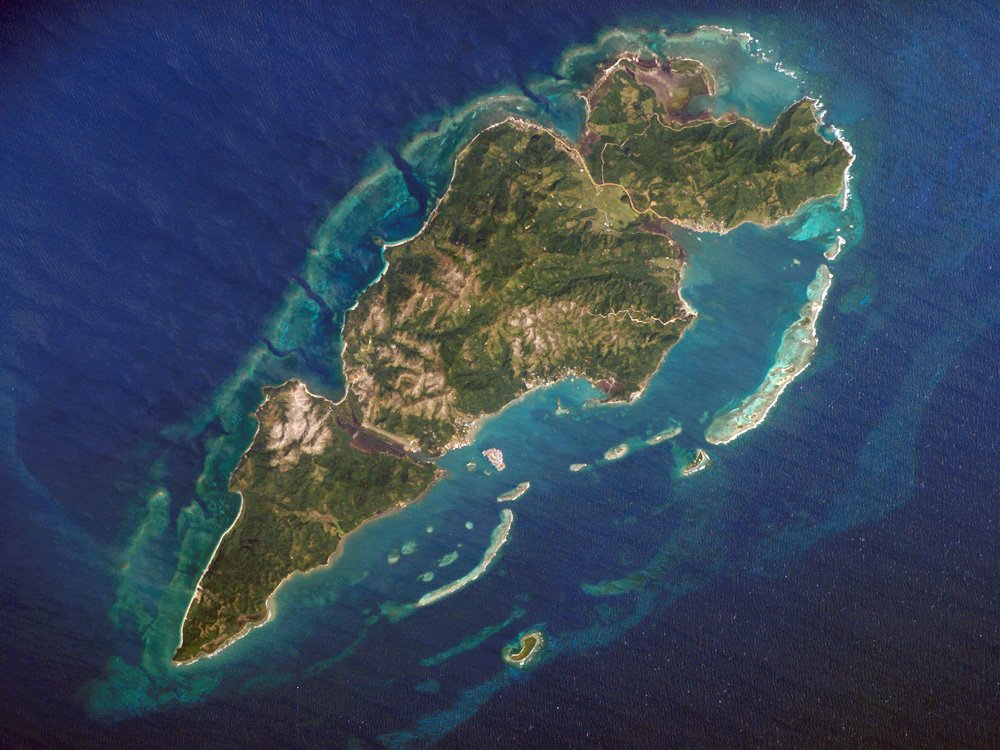
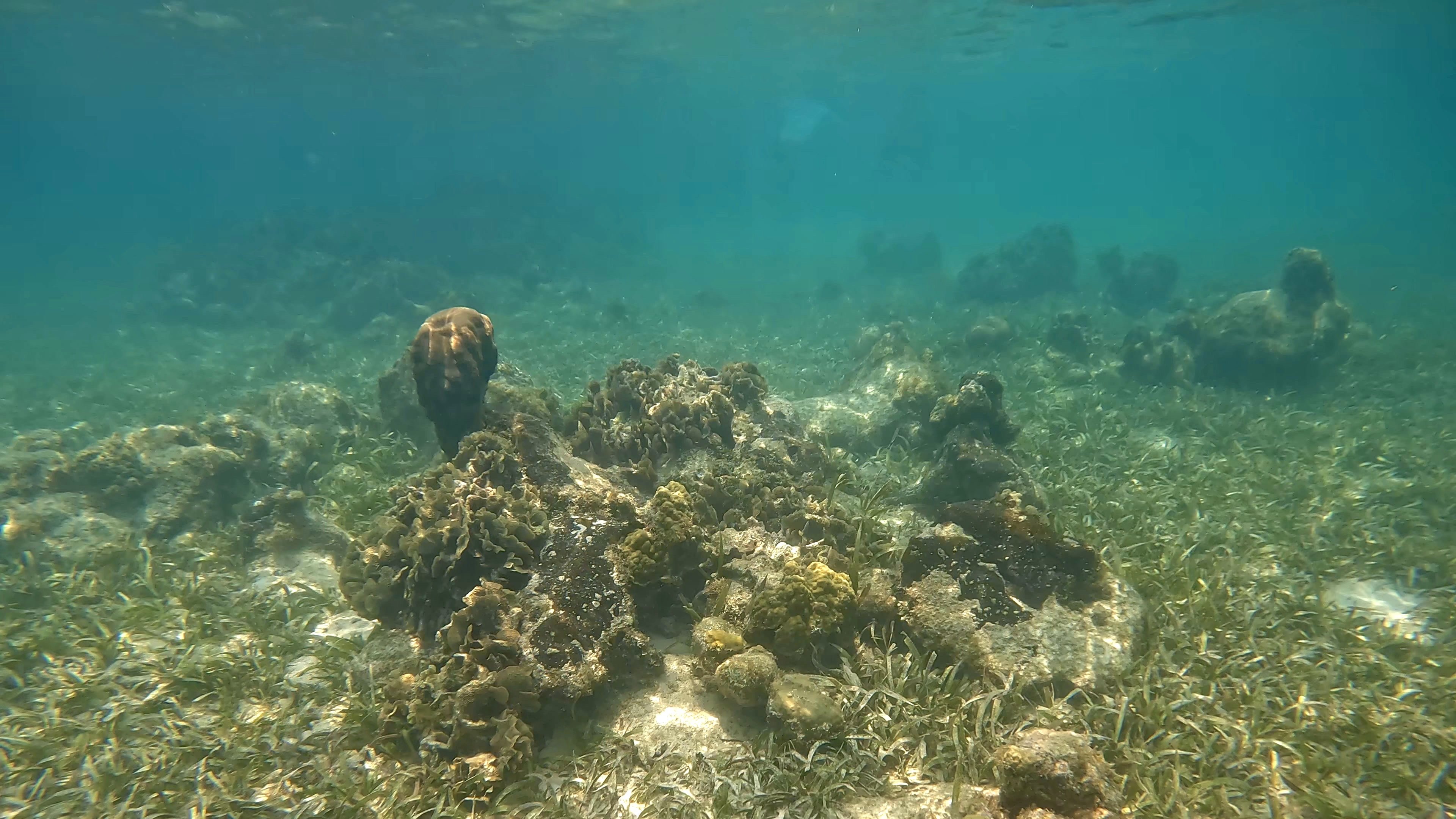
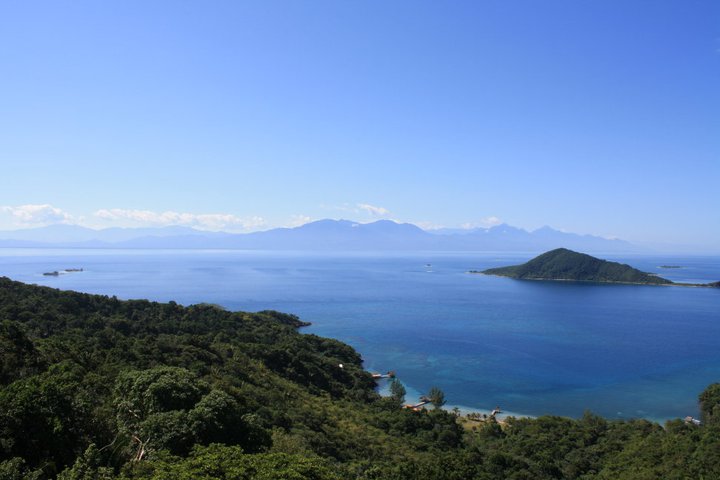
The Bay Islands (Islas de la Bahía) are a chain of islands off the Caribbean coast of Honduras, part of the Mesoamerican Barrier Reef — the world's second-largest reef system. They are among the best diving destinations in the western hemisphere, with warm, clear water, abundant marine life, and dive prices that undercut most comparable Caribbean destinations significantly. Three main islands are accessible to visitors: Roatán, Utila, and Guanaja, along with the more remote Cayos Cochinos.
Roatán is the largest and most developed island, with the most tourist infrastructure, a direct ferry from La Ceiba, and the widest range of dive operators. West End and West Bay are the centres of tourism activity; the rest of the island is quieter and more genuinely Caribbean in character. Cayos Cochinos is a small archipelago of protected cays southeast of Roatán with some of the healthiest coral in the region — little infrastructure and mainly accessible on day trips or overnight stays in a Garifuna village.
The islands have a distinct culture shaped by British colonial history and Garifuna heritage. English is widely spoken alongside Spanish. The reef supports strong populations of reef fish, sea turtles, and nurse sharks; whale sharks pass through seasonally. Water temperatures hover around 26–28°C year-round, making wetsuits optional for most divers.