Roatán is the largest of the Bay Islands, sitting about 60 km off the Caribbean coast of Honduras. It's the most developed of the islands — a long, hilly ridge of jungle running east to west, ringed by beaches and coral reef. The island is part of the Mesoamerican Barrier Reef, the world's second-largest, and the diving and snorkeling are the main draw.
West End and West Bay are the main tourist areas. West End is a low-key strip of dive shops, restaurants, and guesthouses; West Bay has the island's most beautiful beach. Sandy Bay sits between them and is quieter. Coxen Hole is the main town and port — functional rather than picturesque — and where the ferry from La Ceiba arrives.
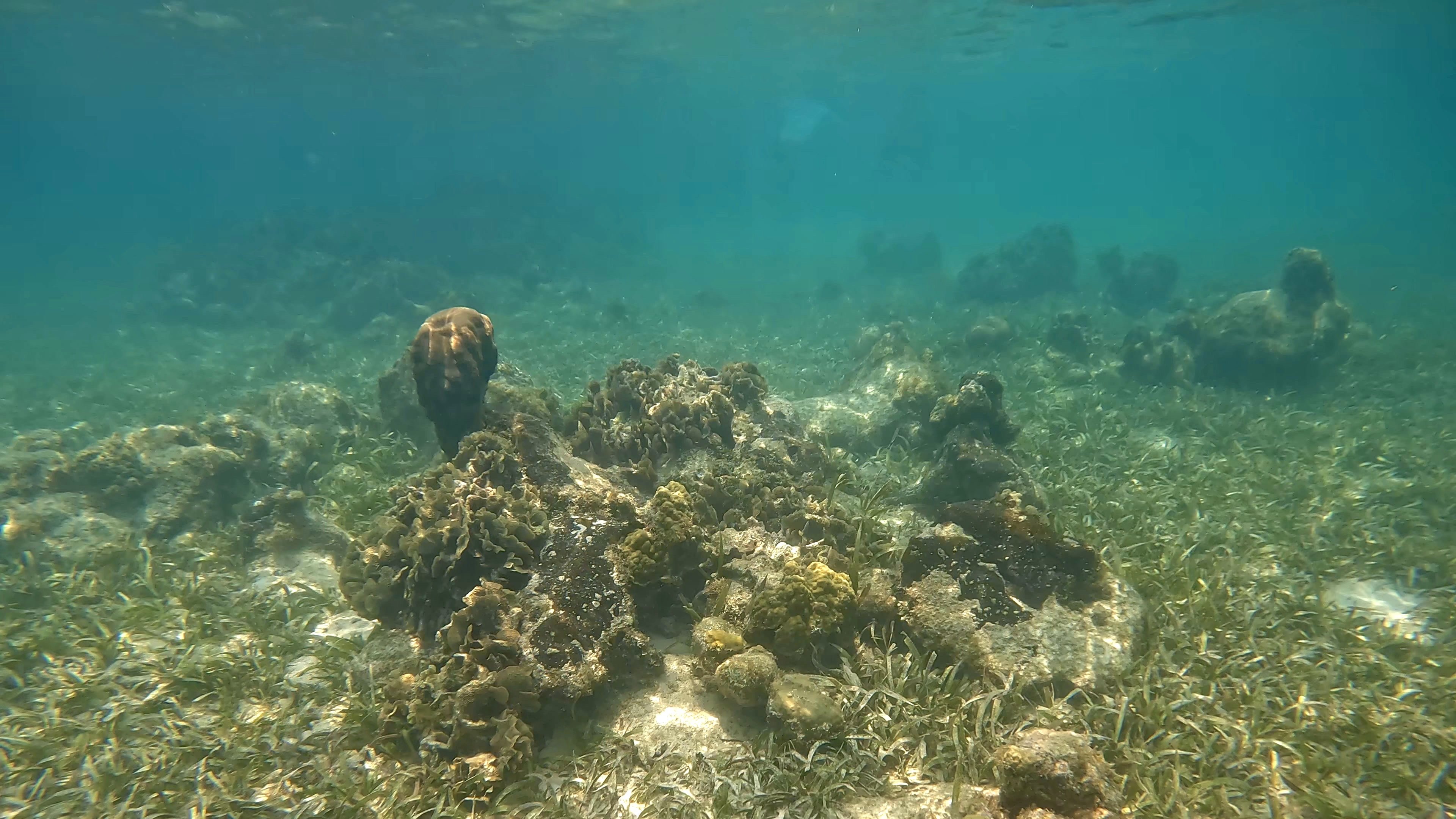
Diving dominates the island's economy. Dozens of dive shops offer courses and guided dives; prices are lower than most comparable Caribbean destinations. The reef is in generally good health, supported by the Roatán Marine Park, with strong populations of reef fish, sea turtles, and the occasional nurse shark. Famous sites include Mary's Place and the El Aguila wreck. Snorkeling is excellent even from shore in several spots.
Beyond diving, the island has zip lines, horseback riding, boat tours, Gumbalimba Park (where you can walk among free-roaming monkeys and macaws), the Carambola Botanical Gardens in Sandy Bay, and the Garifuna village of Punta Gorda on the north coast. The island gets busy during US holiday periods; for a quieter experience, come between September and November.
Roatán is noticeably more expensive than mainland Honduras. Budget travelers can find cheaper options in West End and Coxen Hole, but this is not the Honduras of backpacker prices.