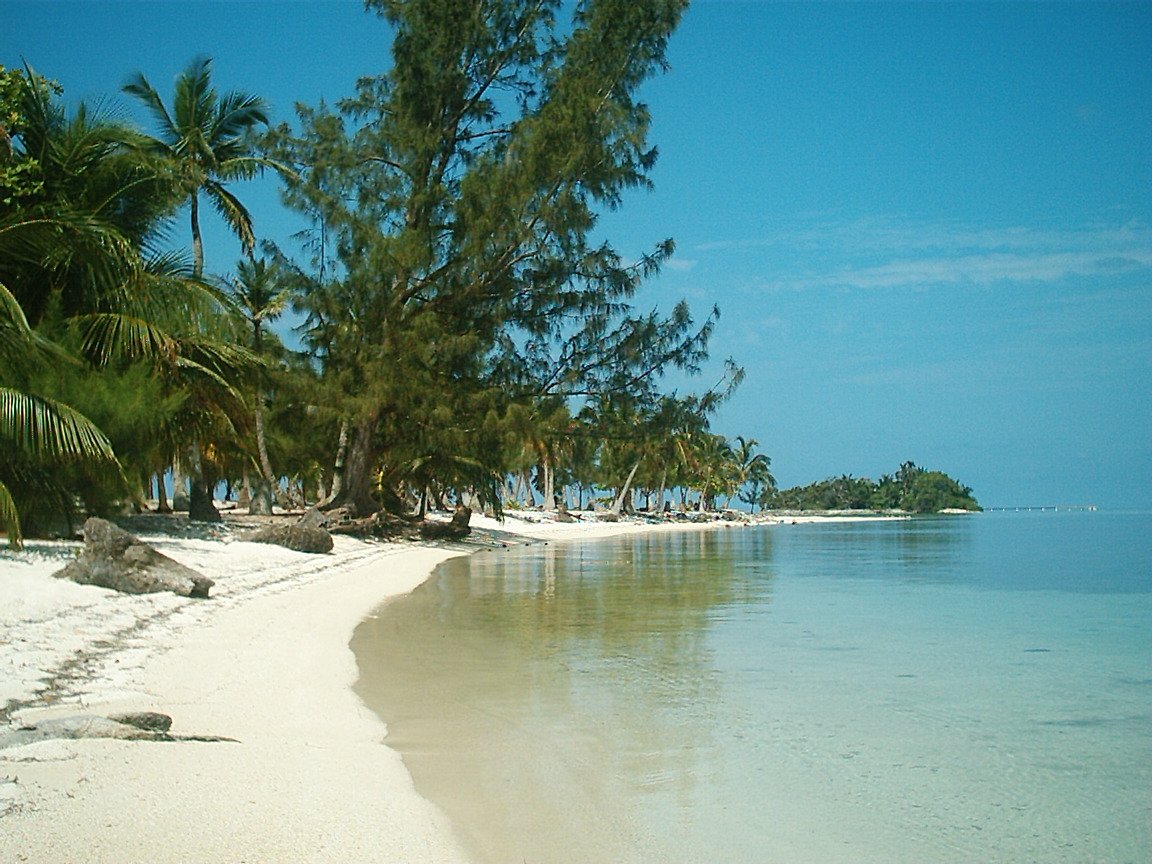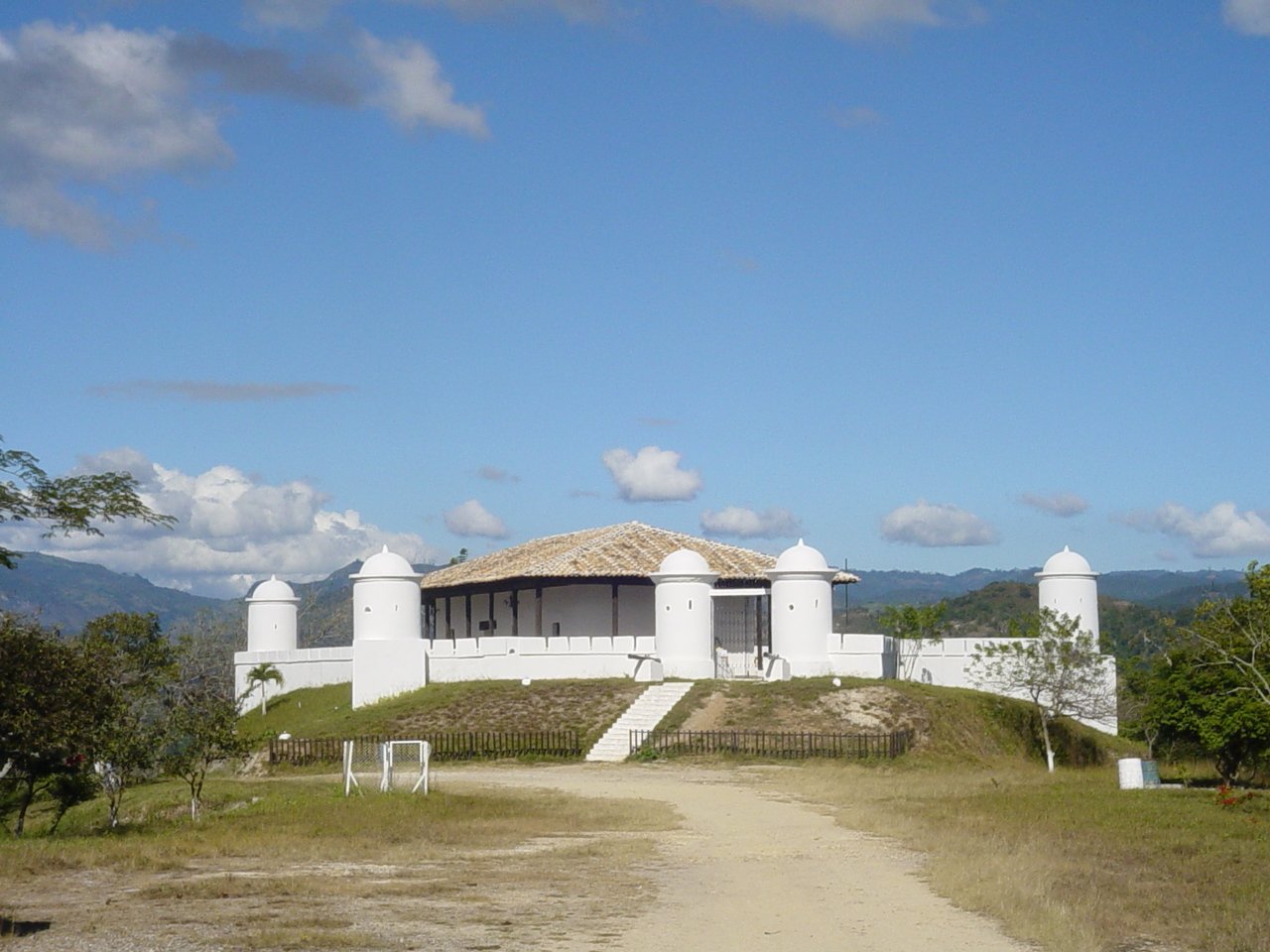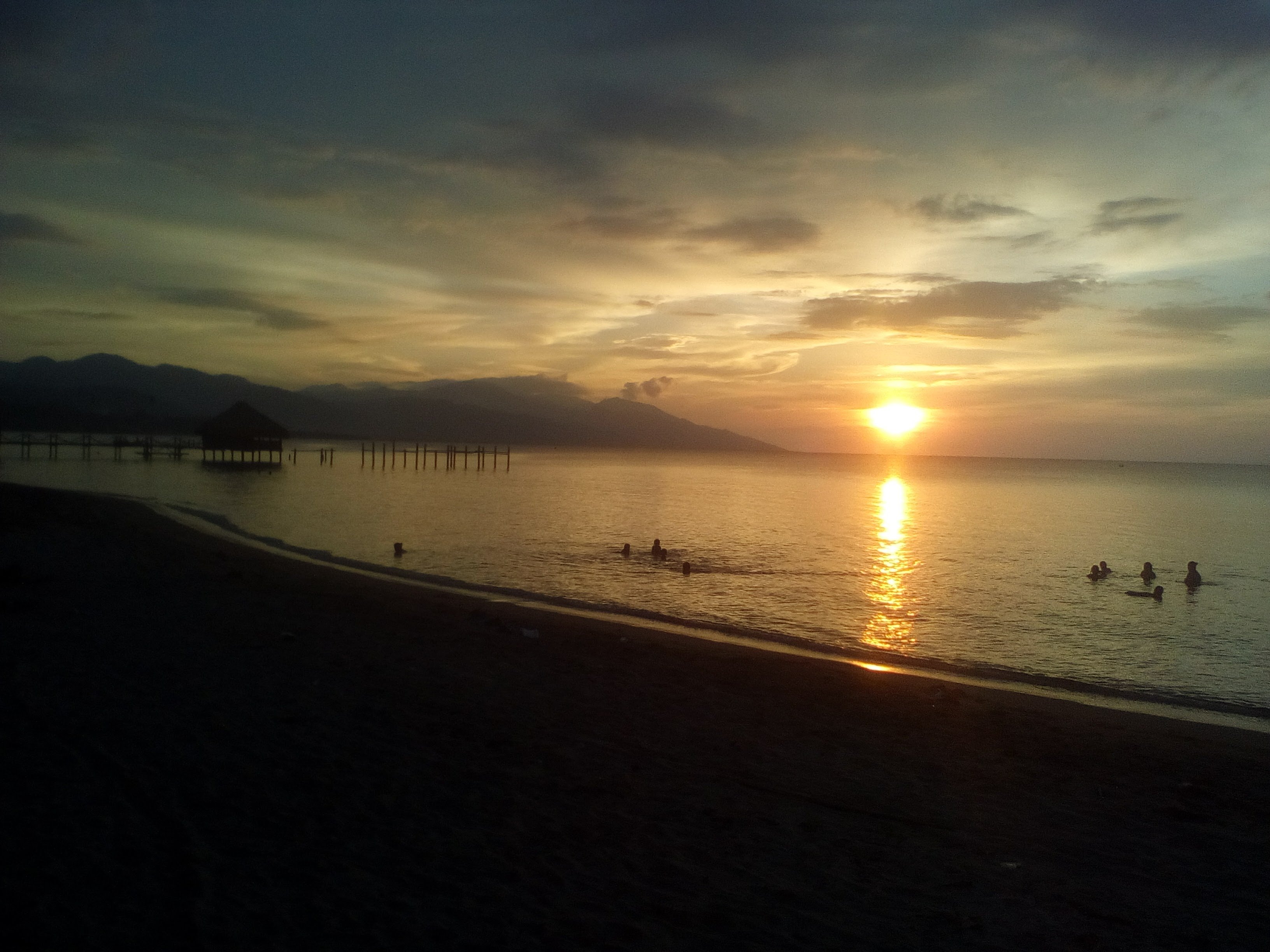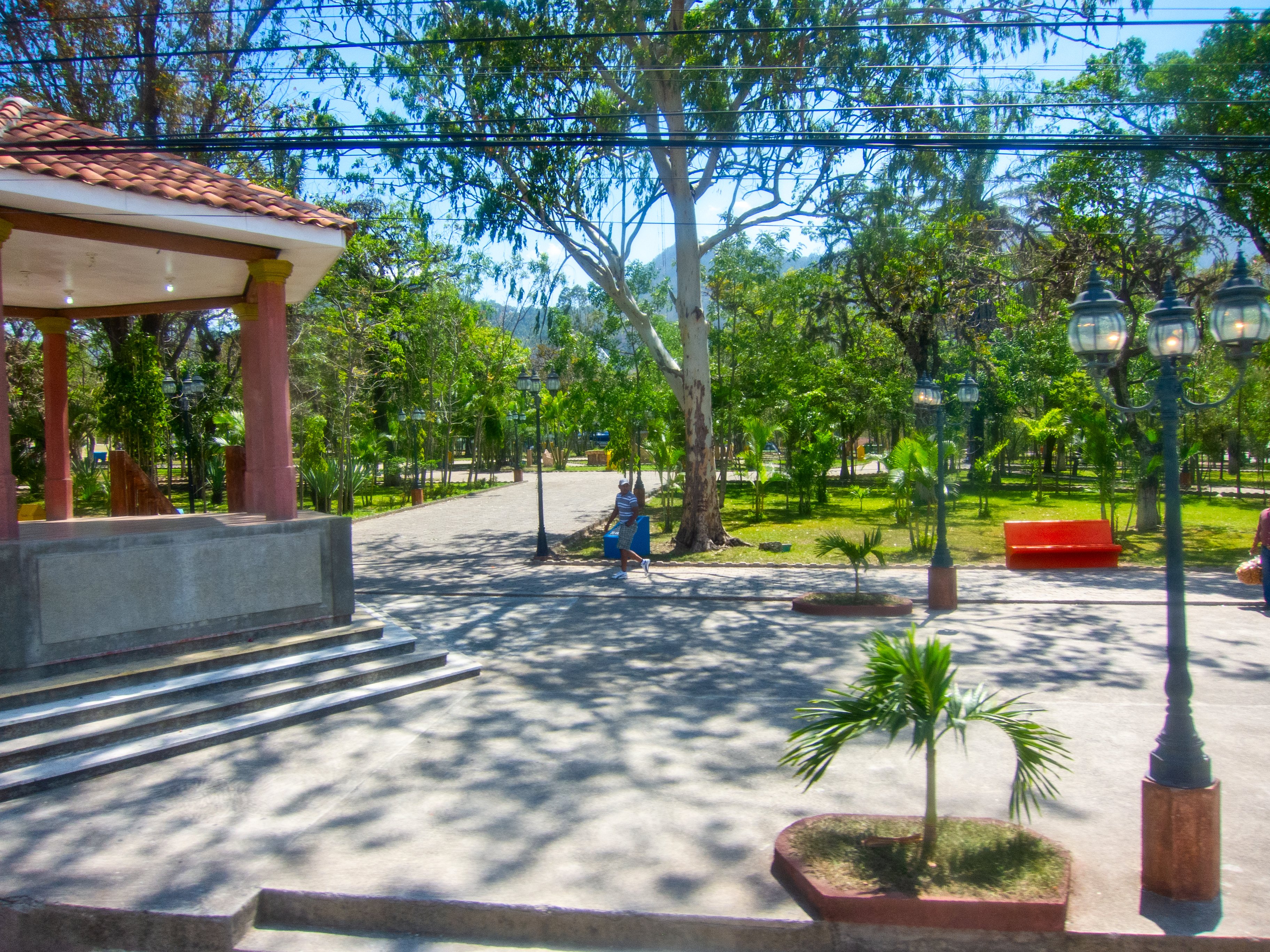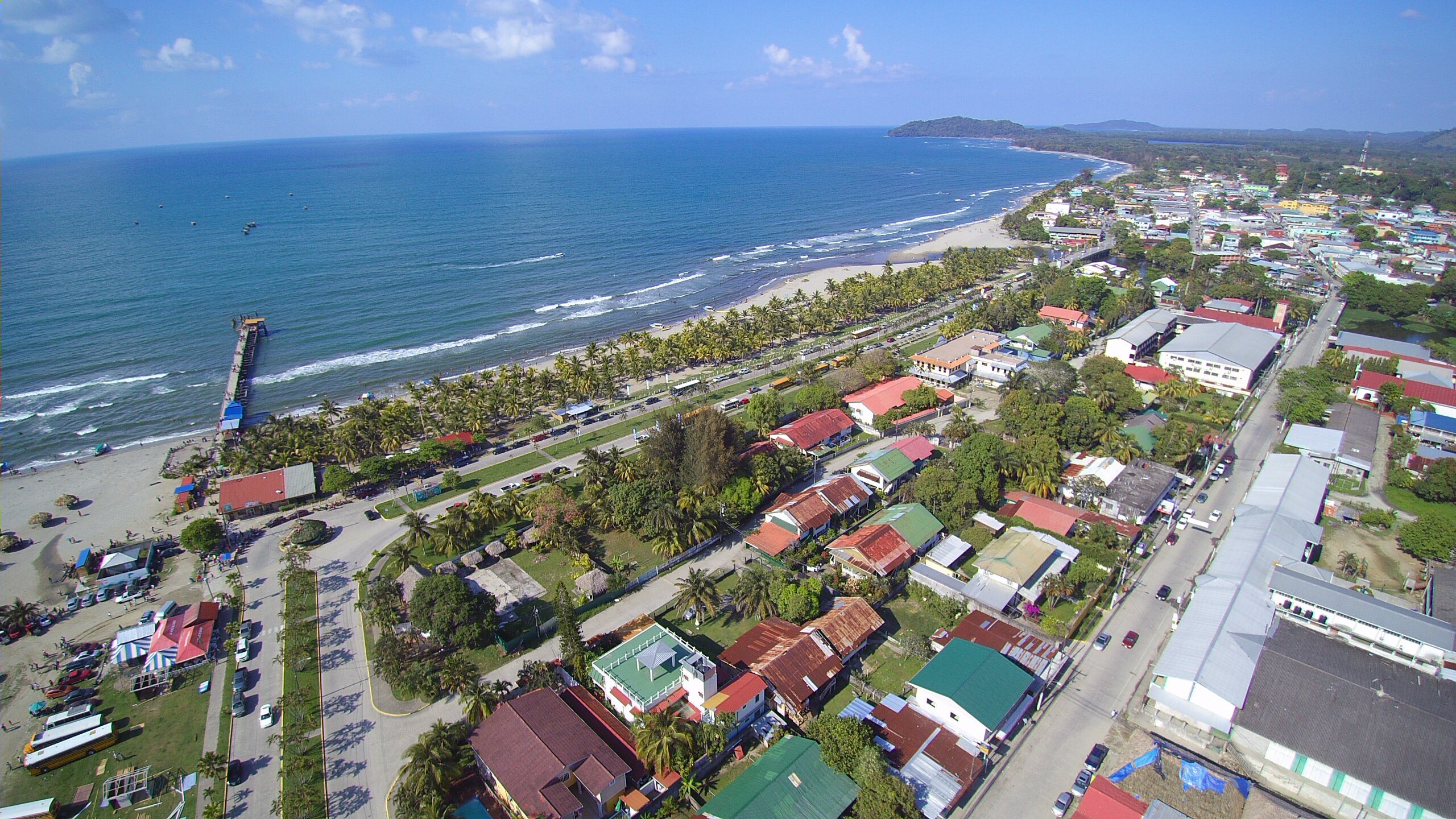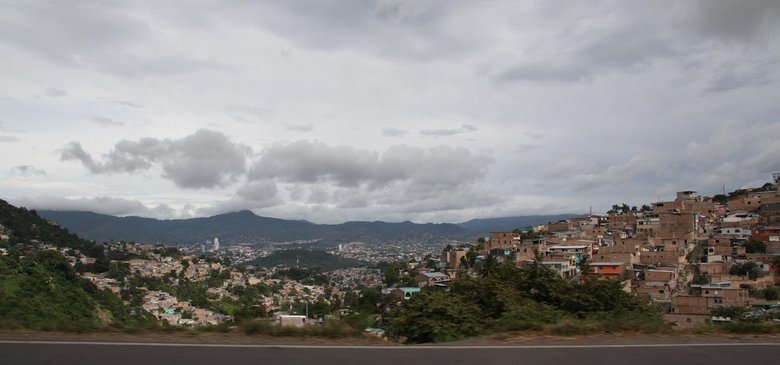
Honduras is the second-largest country in Central America and one of its least-visited — which is both a shame and a recommendation. The country has extraordinary variety: Caribbean beaches and coral reefs in the north, cloud-forested mountains in the west, the vast wetlands of La Mosquitia in the east, and Mayan ruins that rival anything in the region. Travelers who make it here are generally glad they did.
It is also, frankly, a country that demands some care. Crime rates in the major cities — particularly San Pedro Sula and parts of Tegucigalpa — are among the highest in the world. Most visitors move between the main tourist draws without incident, but this is not a place to be casual about safety. Stick to established routes, travel during the day, and take taxis rather than local buses in urban areas.
The currency is the lempira (HNL). Most of Honduras is affordable by any standard; the Bay Islands are the exception, running noticeably pricier than the mainland. US dollars are widely accepted in tourist areas.
Where to go
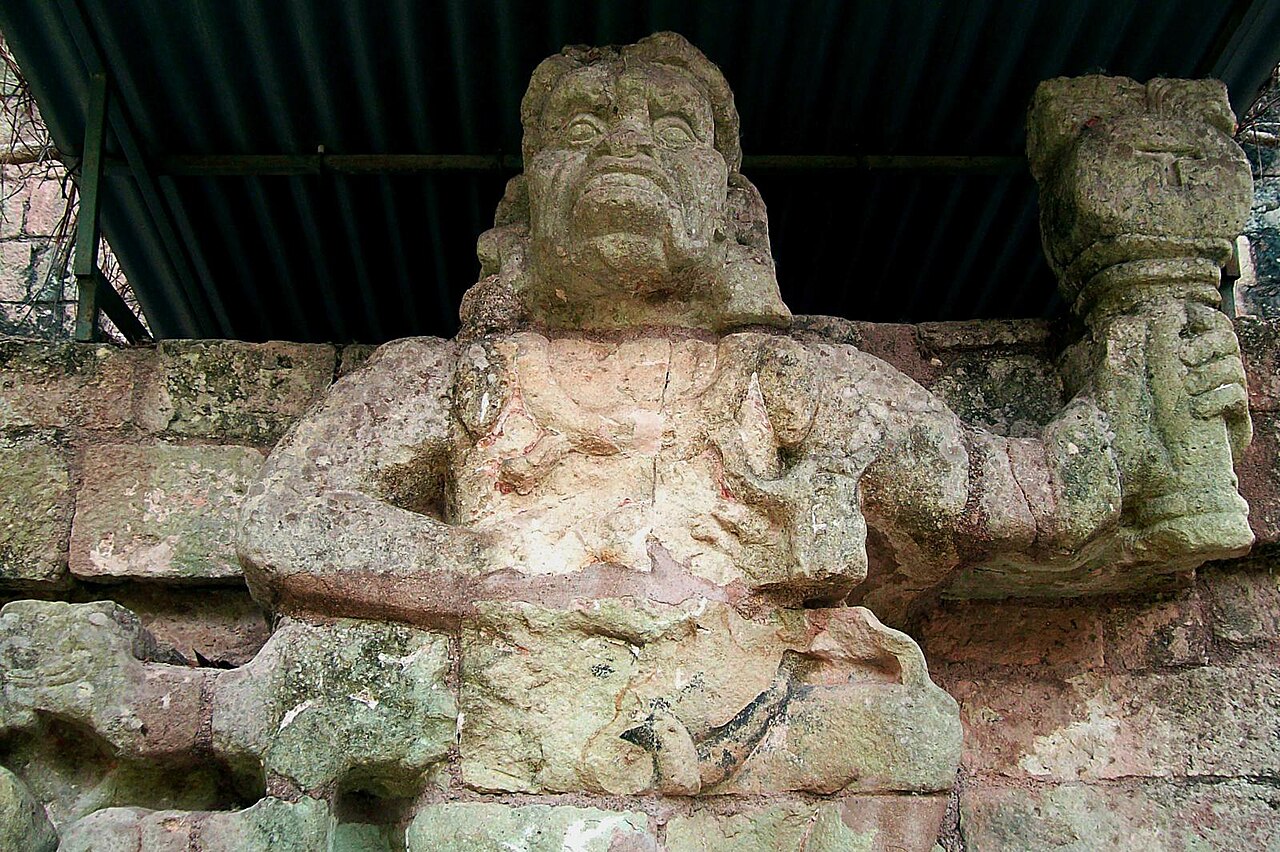
Copán is the country's standout attraction: a Mayan site famous not for its pyramids but for its extraordinary carved stelae, each one a portrait of a ruler. The setting, in a green valley near the Guatemalan border, adds to the appeal.
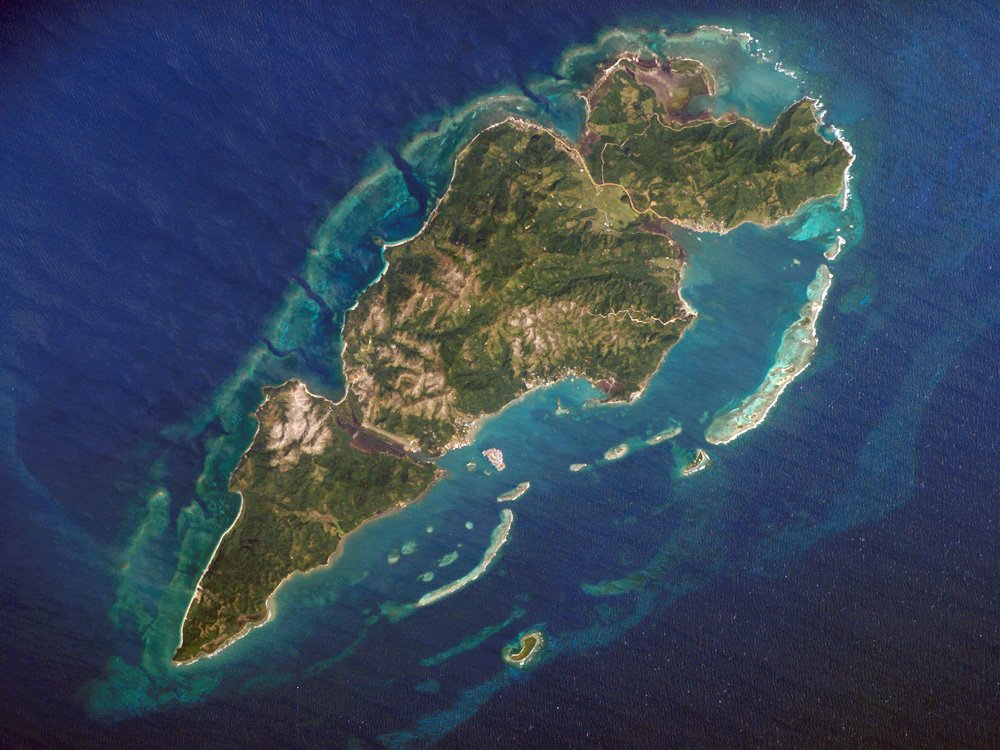
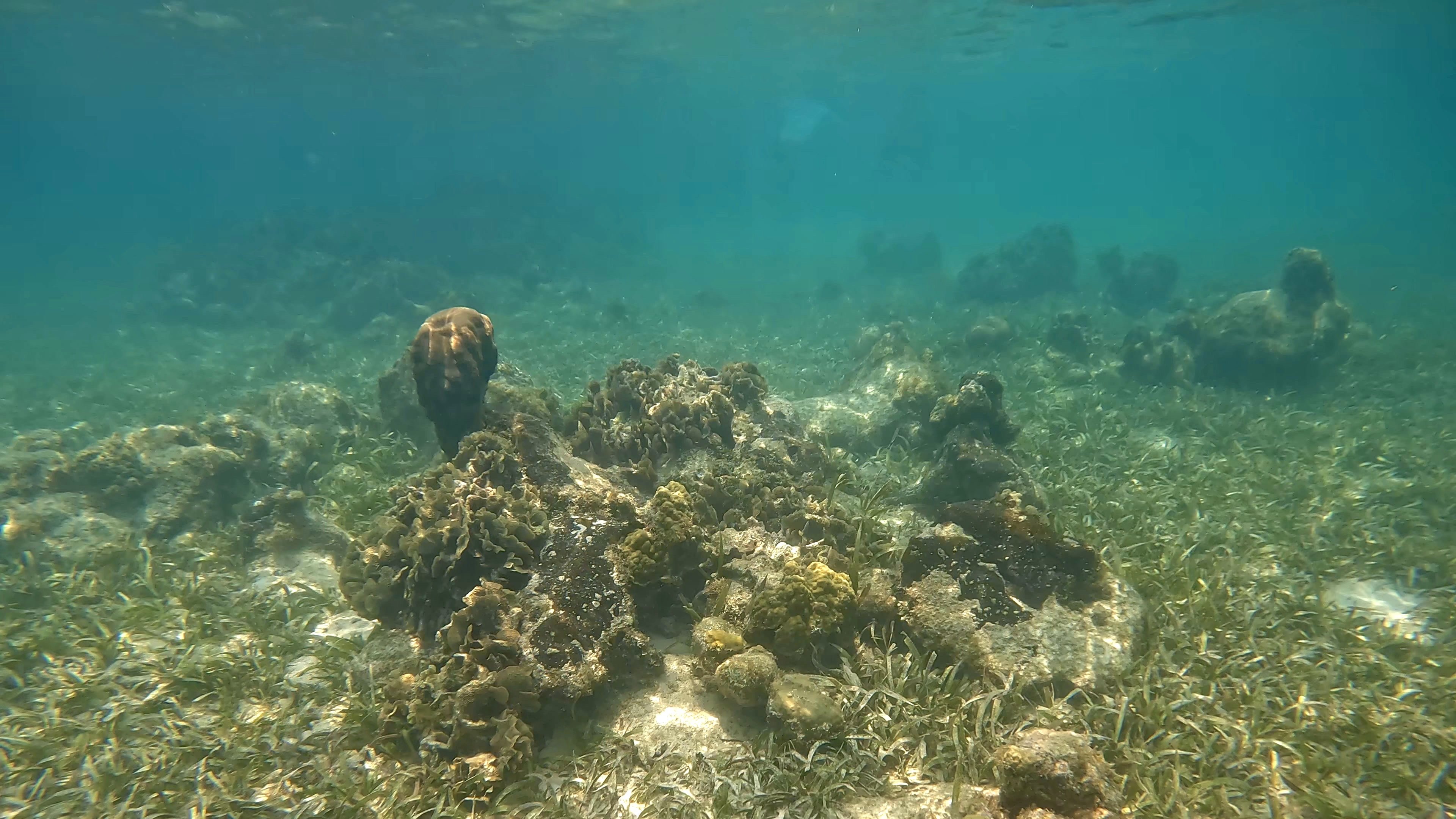
The Bay Islands — principally Roatán and Utila — sit on the Mesoamerican Barrier Reef, the world's second-largest. Diving here is excellent and, especially on Utila, remarkably cheap.
La Mosquitia in the northeast is one of the most remote and biologically rich areas in Central America — a vast expanse of rainforest, rivers, and lagoons. Getting there takes effort, but it rewards it.
Tela and La Ceiba are the main towns on the north coast and good bases for the Caribbean lowlands, including Garifuna villages and Pico Bonito National Park. Comayagua, the former colonial capital, is an easy stop on the road between San Pedro Sula and Tegucigalpa and worth more than most travelers give it.