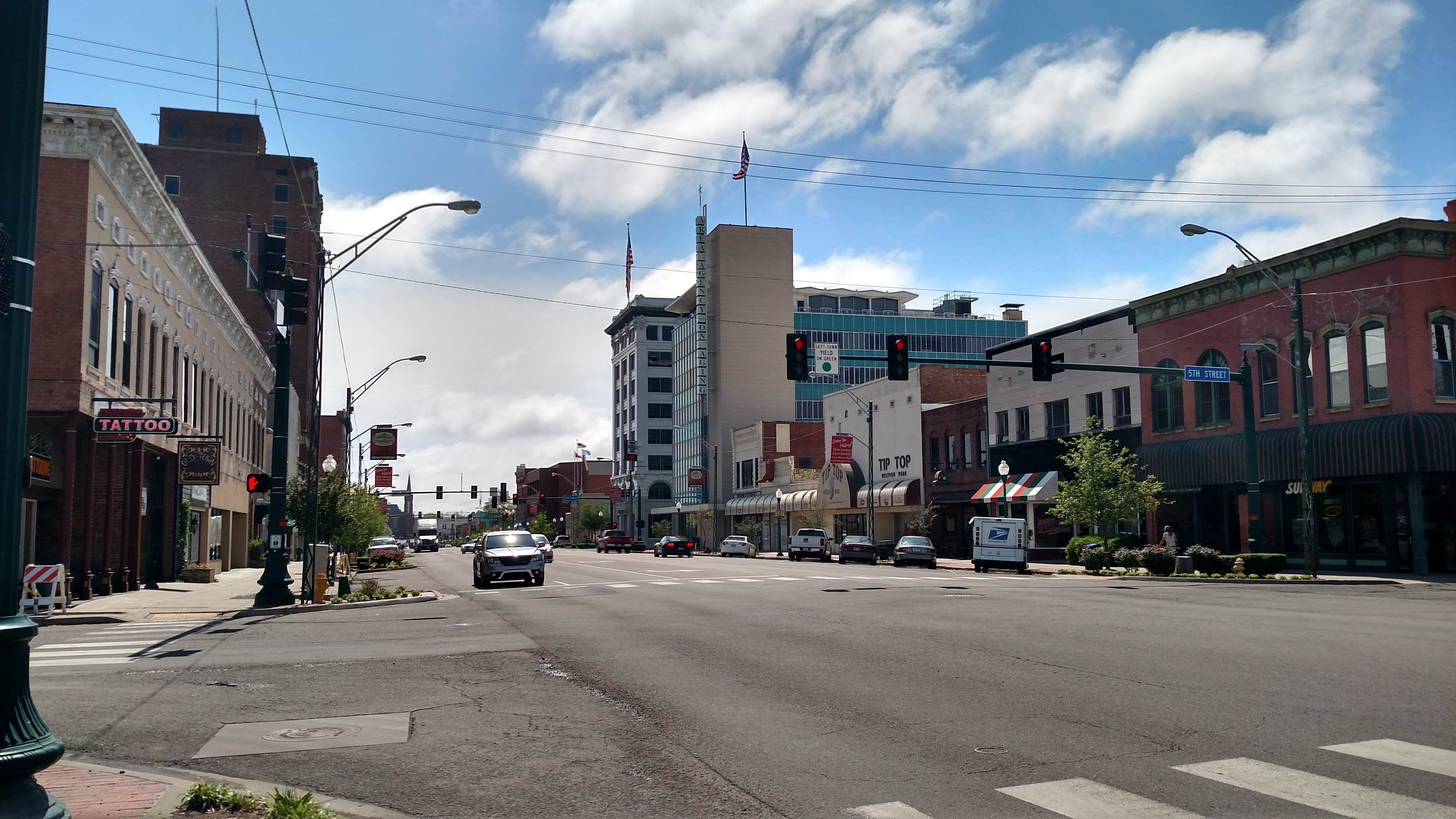
Fort Smith sits at the confluence of the Arkansas and Poteau rivers, right on the Oklahoma border. Arkansas's second-largest city has a frontier past that's hard to shake — this was the last outpost of law before Indian Territory, where "Hanging Judge" Isaac Parker held court and deputy marshals rode out after outlaws. That roughness has mellowed into a mid-sized city with a walkable downtown, a growing restaurant scene, and enough history to fill a solid weekend.
The Fort Smith National Historic Site is the main draw, preserving the remains of two frontier-era forts and Judge Parker's courtroom and jail. The Trail of Tears passed through here, and the site does a thoughtful job covering that painful history alongside the marshals-and-outlaws story. Just down the river, the United States Marshals Museum opened in 2023 in a striking star-shaped building on the riverfront, tracing the history of America's oldest federal law enforcement agency. The Belle Grove Historic District northwest of downtown is worth an afternoon on foot — 22 blocks of Victorian houses built by the merchants and lawyers who grew wealthy during the federal court era, including Miss Laura's Social Club, the only former brothel on the National Register of Historic Places. South Chaffee, just outside the city, is home to the Chaffee Barbershop Museum, where Elvis Presley received his Army induction haircut in 1958.
The Arkansas River provides the city's outdoor anchor — the Riverfront Trail runs along the water between downtown and the Janet Huckabee Arkansas River Valley Nature Center, a free wildlife facility with native fish aquariums and river-access trails. The Garrison Avenue downtown strip has local restaurants, bars, and independent shops worth an evening's wander.