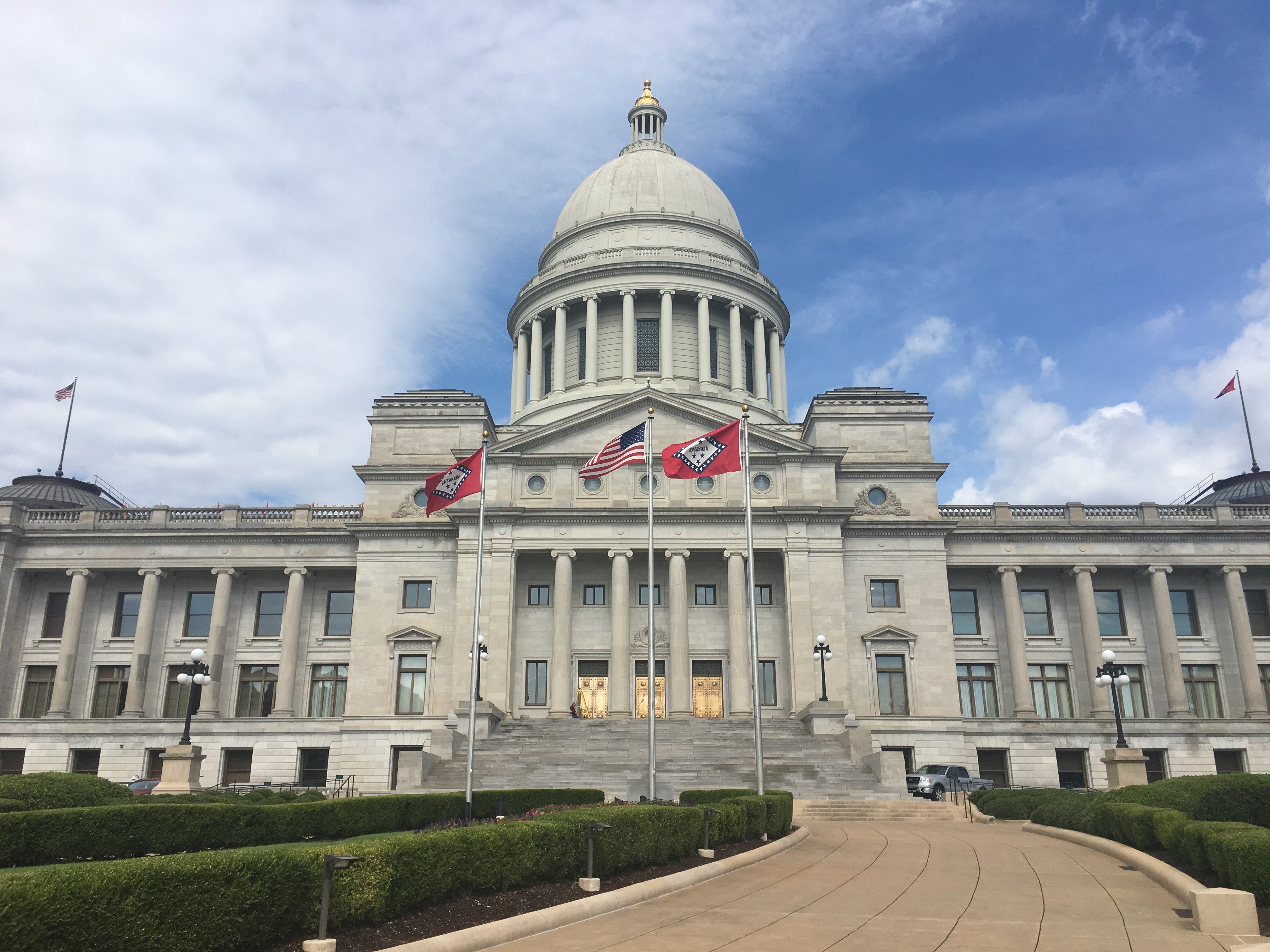
Little Rock is the capital of Arkansas and the state's largest city, sitting on the south bank of the Arkansas River at roughly the geographic center of the state. It is a compact, walkable city that punches above its weight culturally — home to a presidential library, a serious art museum, and a historic district that survived urban renewal largely intact.
The heart of what visitors come to see is the Quapaw Quarter, a nine-square-mile swath that takes in Little Rock's central business district and its oldest residential neighborhoods. Named after the Quapaw people who lived in central Arkansas before European settlement, it is most closely associated with two historic districts: MacArthur Park and the Governor's Mansion area. Together they hold the densest concentration of pre-Civil War and Victorian-era architecture in the state. The Empress of Little Rock, an 1888 Gothic Queen Anne mansion on Scott Street, is widely considered the finest Victorian house in Arkansas.
The Clinton Presidential Center anchors the River Market District on the riverfront. Whether you admire the man or not, it is a well-designed building with an honest account of the Clinton years, and the adjacent park makes a good place to watch the river. The Old State House Museum, the Historic Arkansas Museum, and the Arkansas Museum of Fine Arts — which holds one of the country's better collections of works on paper alongside paintings by Monet and Degas — are all within easy reach of each other downtown. The Vogel Schwartz Sculpture Garden lines the river trail with over 90 outdoor sculptures, free to walk through any time.
Two miles southwest of downtown, the Little Rock Central High School National Historic Site marks the most dramatic confrontation of the early civil rights movement, where in 1957 nine Black students enrolled under federal court order while President Eisenhower sent in the 101st Airborne to ensure they could enter.