Cortez
©
Cortez

Cortez

Four Corners high-desert town, gateway to Mesa Verde and Ancestral Puebloan cliff dwellings.

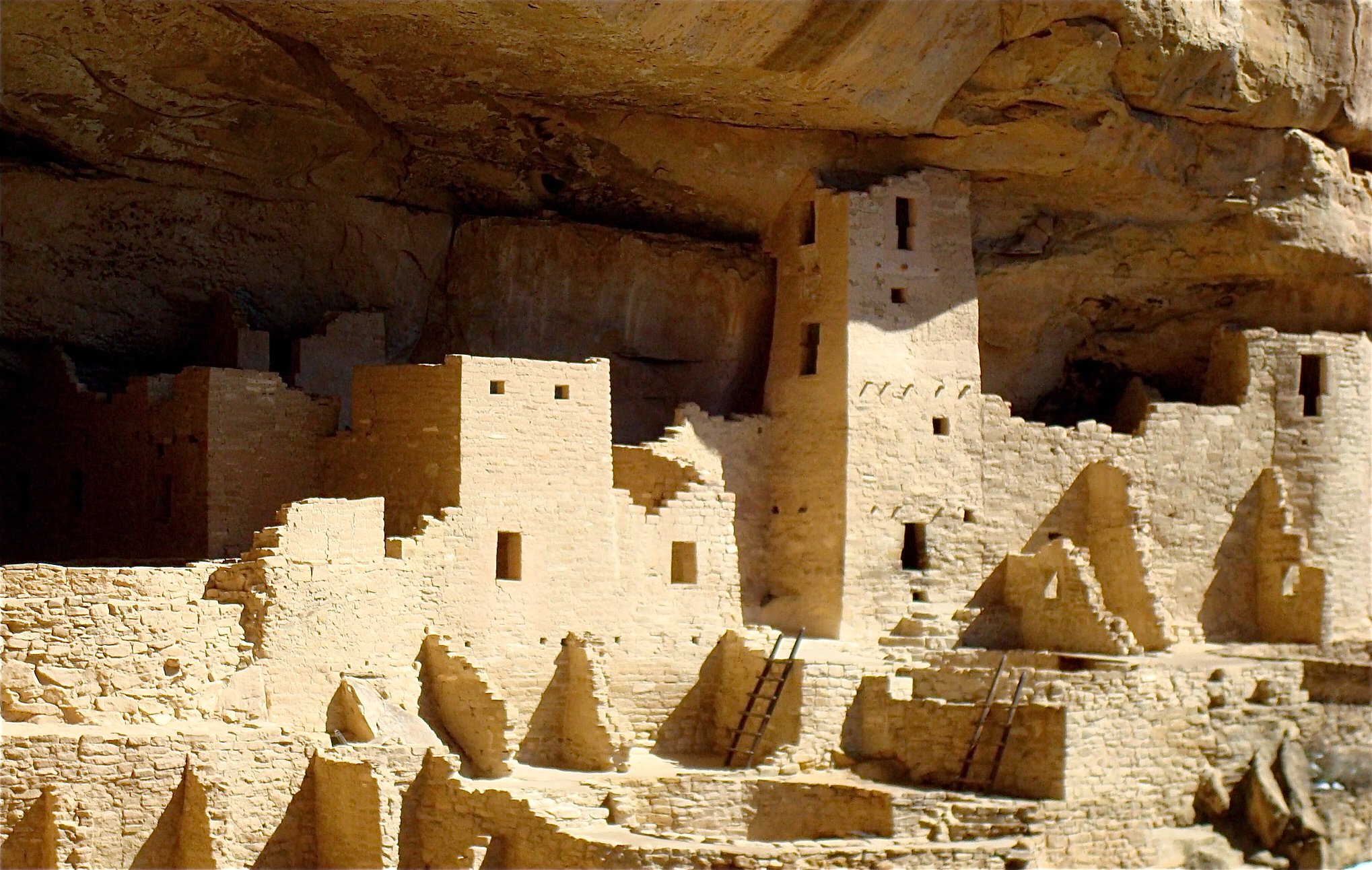
Cortez sits in the southwest corner of Colorado, surrounded by high desert and the ancient landscape of the Four Corners region. Its main draw is as the gateway to Mesa Verde National Park, where the Ancestral Puebloans built their cliff dwellings into the canyon walls around 1,400 years ago — Mesa Verde is one of the most significant pre-Columbian archaeological sites in North America and is worth at least a full day.

The town reflects its heritage honestly, if a little commercially. The Cortez Cultural Center is a free museum with solid Puebloan exhibits and summer evening Native American dance performances. The Crow Canyon Archaeological Center lets visitors join actual excavations at Ancestral Puebloan sites. The Ute Mountain Ute tribal park offers guided tours of a less-visited set of cliff dwellings. Cortez has decent restaurants, a few good shops selling authentic Southwestern art and pottery, and a relaxed attitude toward its visitors. It makes a better base for the region than the more tourist-saturated Durango.

Guide

Day Trips

The Four Corners region has so many significant archaeological sites that a single day trip from Cortez is never enough. Plan for at least three days if you want to see the highlights.

Mesa Verde National Park is the main event — one of the most impressive archaeological sites in North America, with cliff dwellings built into the canyon walls by the Ancestral Puebloans around AD 600–1300. The most famous site, Cliff Palace, can only be visited on ranger-led tours that fill up fast in summer; book online well in advance. The park is 10 miles east of Cortez on US 160.

Hovenweep National Monument, about 40 miles west on the Colorado-Utah border, preserves six groups of ancient towers and pueblo buildings spread across the canyon rims. It is far less visited than Mesa Verde and has a solitary grandeur that the busier park cannot match. The Square Tower Group, near the visitor centre, is the most accessible and most dramatic.

Anasazi Heritage Center in nearby Dolores, 10 miles north on US 491, is the best museum in the region for understanding Ancestral Puebloan culture. The collection spans 1,500 years of the Southwest's prehistoric past, with outstanding pottery, textiles, and tools from excavations across the region. The ruins of Dominguez and Escalante Pueblos are a short walk from the museum entrance.

Ute Mountain Tribal Park, south of Cortez on the Ute Mountain Ute reservation, contains cliff dwellings and rock art comparable to Mesa Verde but accessible only on guided tours led by Ute tribal members. The experience is more personal and less crowded than Mesa Verde — and your guide's connection to the land is genuine. Tours run from May to October; book through the Ute Mountain tribal visitor centre.

Guide

When to Go

Late spring and early autumn are the best times. May and September offer comfortable temperatures (15–25°C), clear skies, and manageable crowds at Mesa Verde. Summer (June–August) is peak season — cliff dwelling tours at Mesa Verde require advance booking and the park can be congested — but the weather is reliably sunny and the days are long.

The monsoon season runs from mid-July to mid-September, bringing afternoon thunderstorms that build rapidly and clear quickly. These are rarely dangerous but can make canyon hiking unpredictable; start early and be off exposed ridges by noon.

Winter is quiet and cold. Mesa Verde stays open year-round but the Cliff Palace and Balcony House tours only run from late spring to early autumn. The area receives occasional snow, which makes the landscape beautiful but the roads icy. For archaeology without crowds, a weekday visit in October or early November is hard to beat.