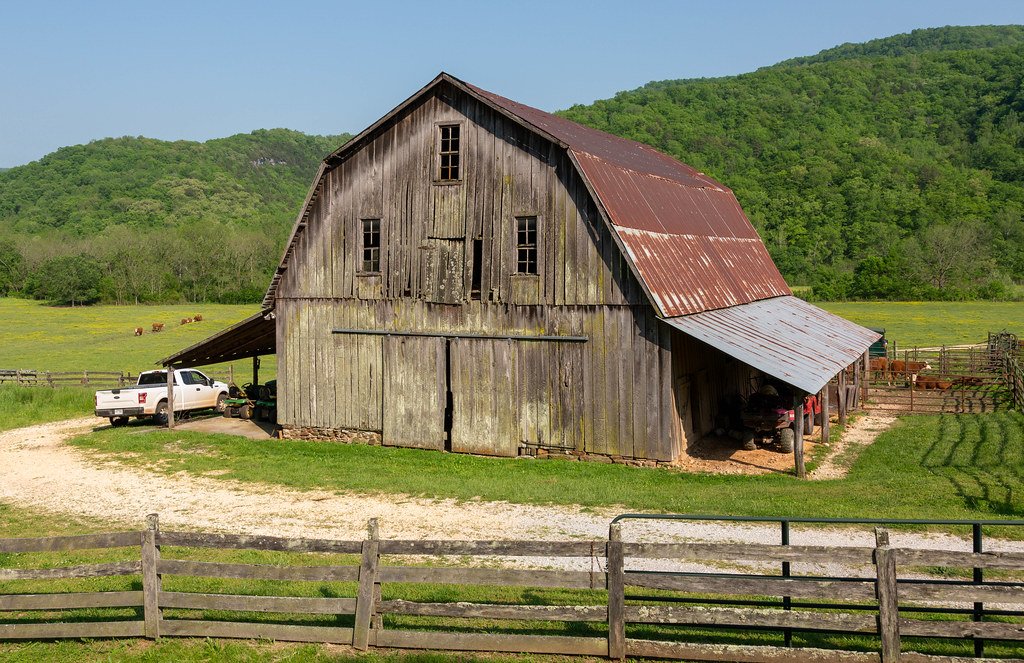
Welcome to the Great Plains. Nebraska is a long, flat, rural state rolling west from the Missouri River to the foothills of the Rockies, crossed by the Platte, the Niobrara and the broad brown Missouri itself. For most travellers it is a state to drive through on Interstate 80 between Chicago and Denver, which is a pity — the landscape is big, quiet, and far more varied than its reputation suggests, from the cottonwoods and bluffs of the Missouri in the east to the Sandhills grasslands in the middle to the wind-carved rock towers of the west.
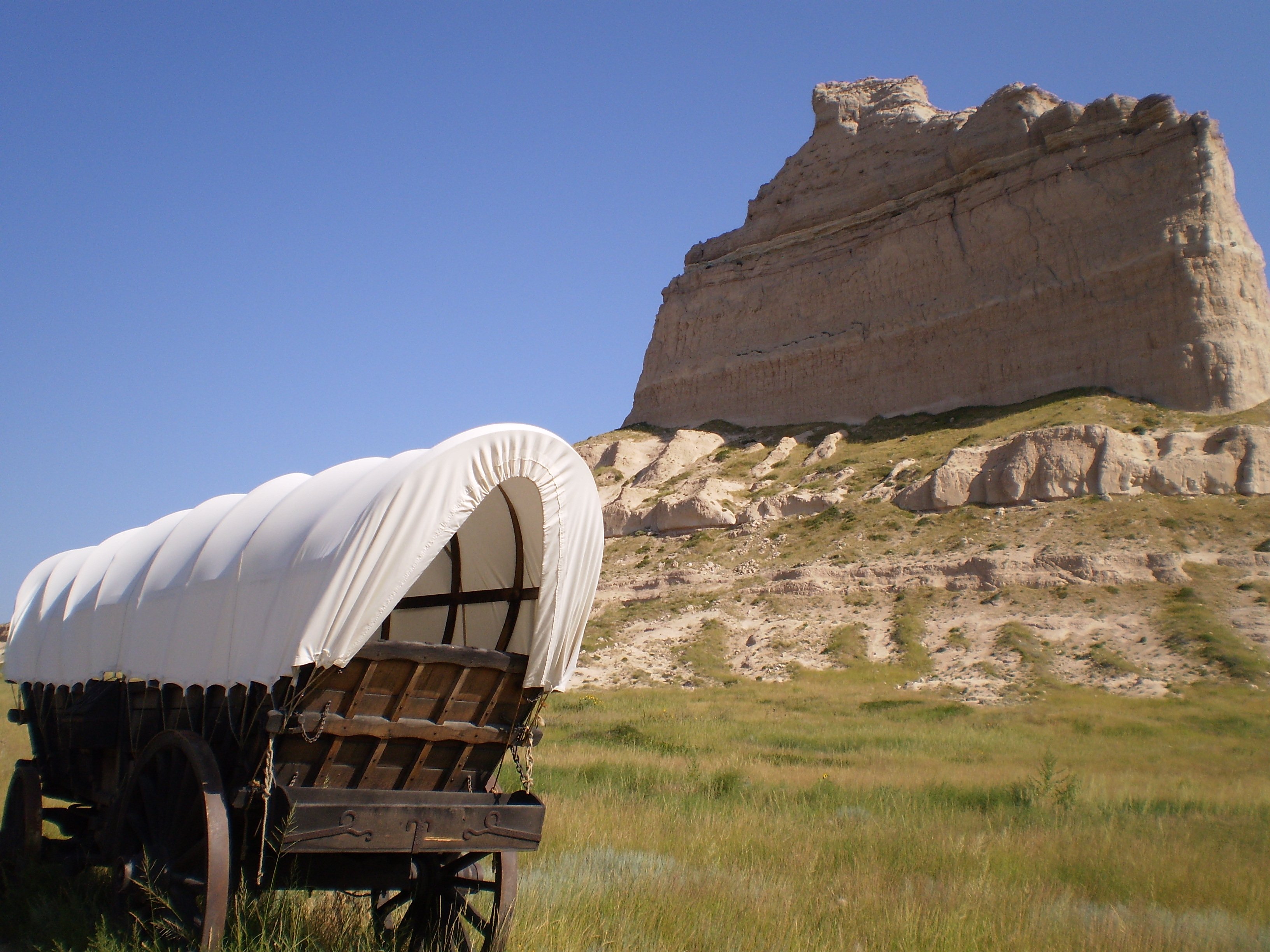
What there is to see is mostly historical and agricultural. Nebraska was the route of the Oregon, California and Mormon Trails — most of the pioneers who settled the American West passed through here — and the Scotts Bluff National Monument in the western panhandle still shows the wagon ruts cut into the prairie. The Homestead National Monument near Beatrice marks the site of the first claim filed under the 1862 Homestead Act that gave away 270 million acres of public land to settlers willing to farm it. Chimney Rock, the most famous of the trail landmarks, rises out of the plains nearby. In spring, the shallow Platte River near Kearney becomes one of the great wildlife spectacles of North America: half a million sandhill cranes gather to rest mid-migration.
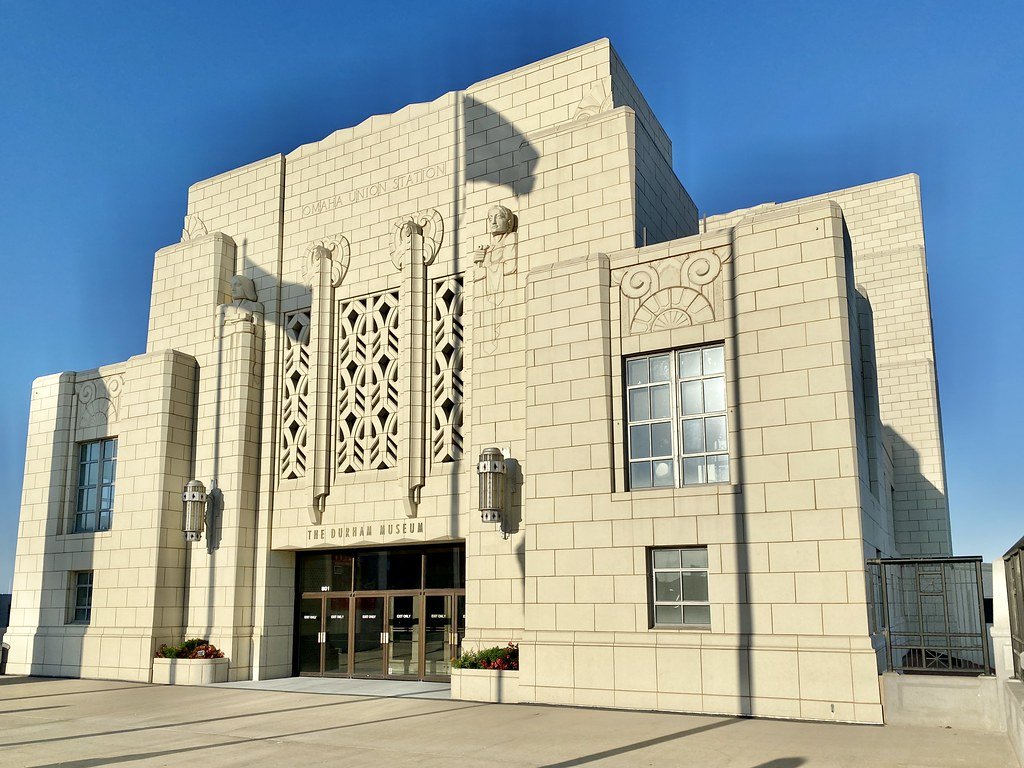
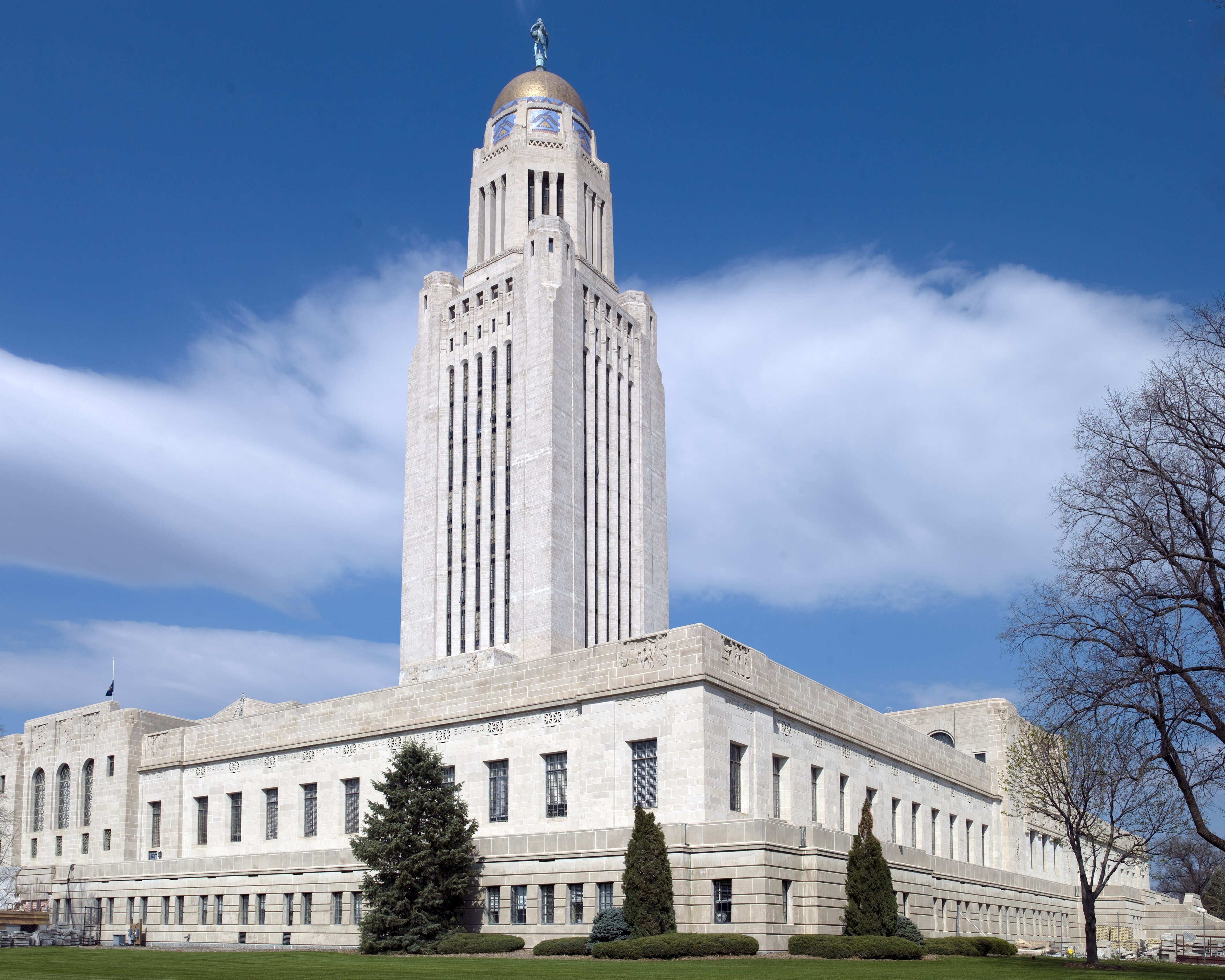
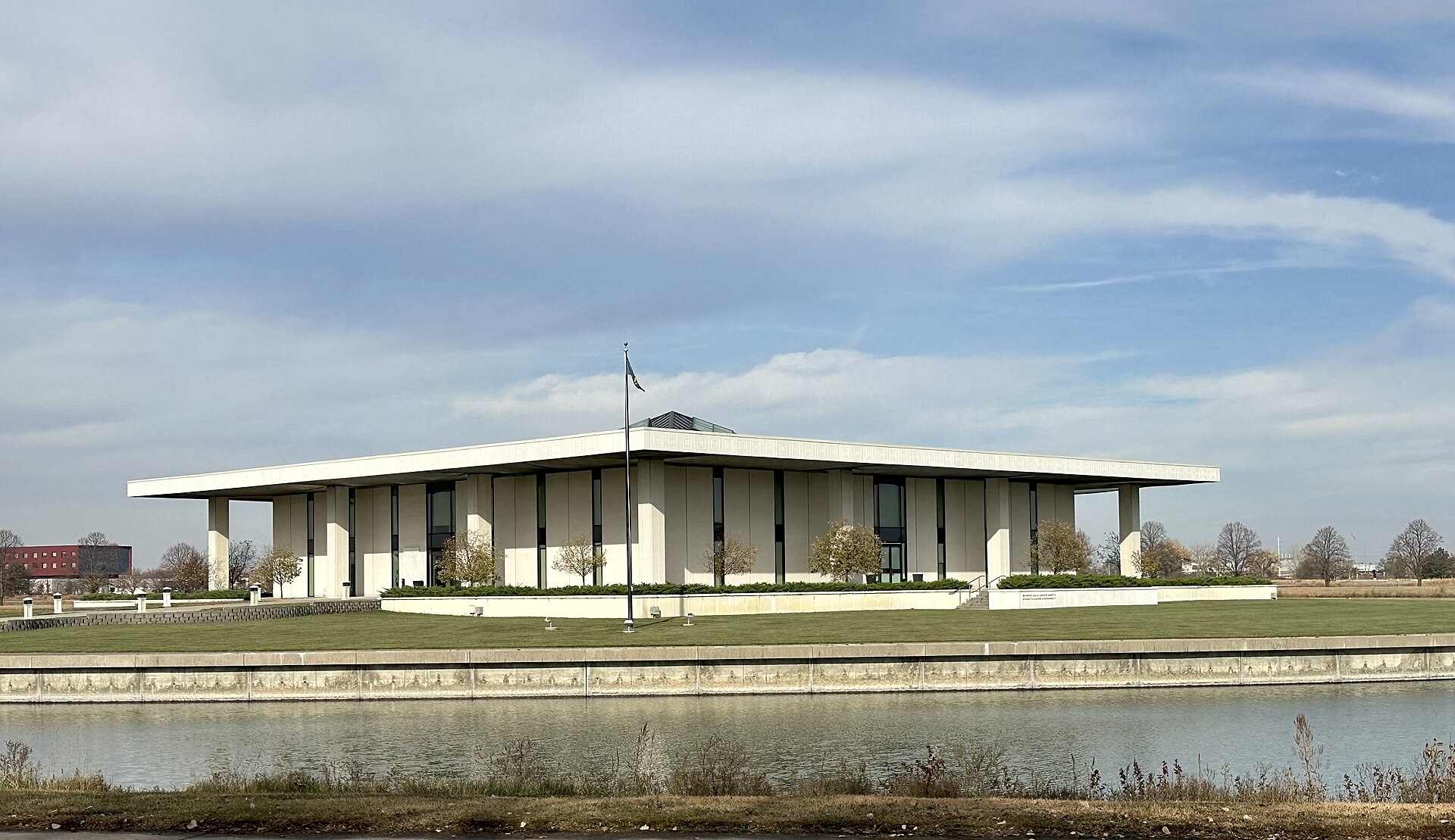
The cities are modest but pleasant. Omaha on the Missouri is the biggest and liveliest, home to one of the best zoos in the United States and the Old Market warehouse district. Lincoln, the state capital, is a university town with a striking Art Deco state capitol building.