Lincoln is Nebraska's capital and its second-largest city, home to roughly 300,000 people and the University of Nebraska — which means the city has a pulse that most plains capitals lack. The Cornhuskers' Memorial Stadium seats nearly 90,000 fans on game days and briefly becomes Nebraska's third-largest city; the din carries for blocks.
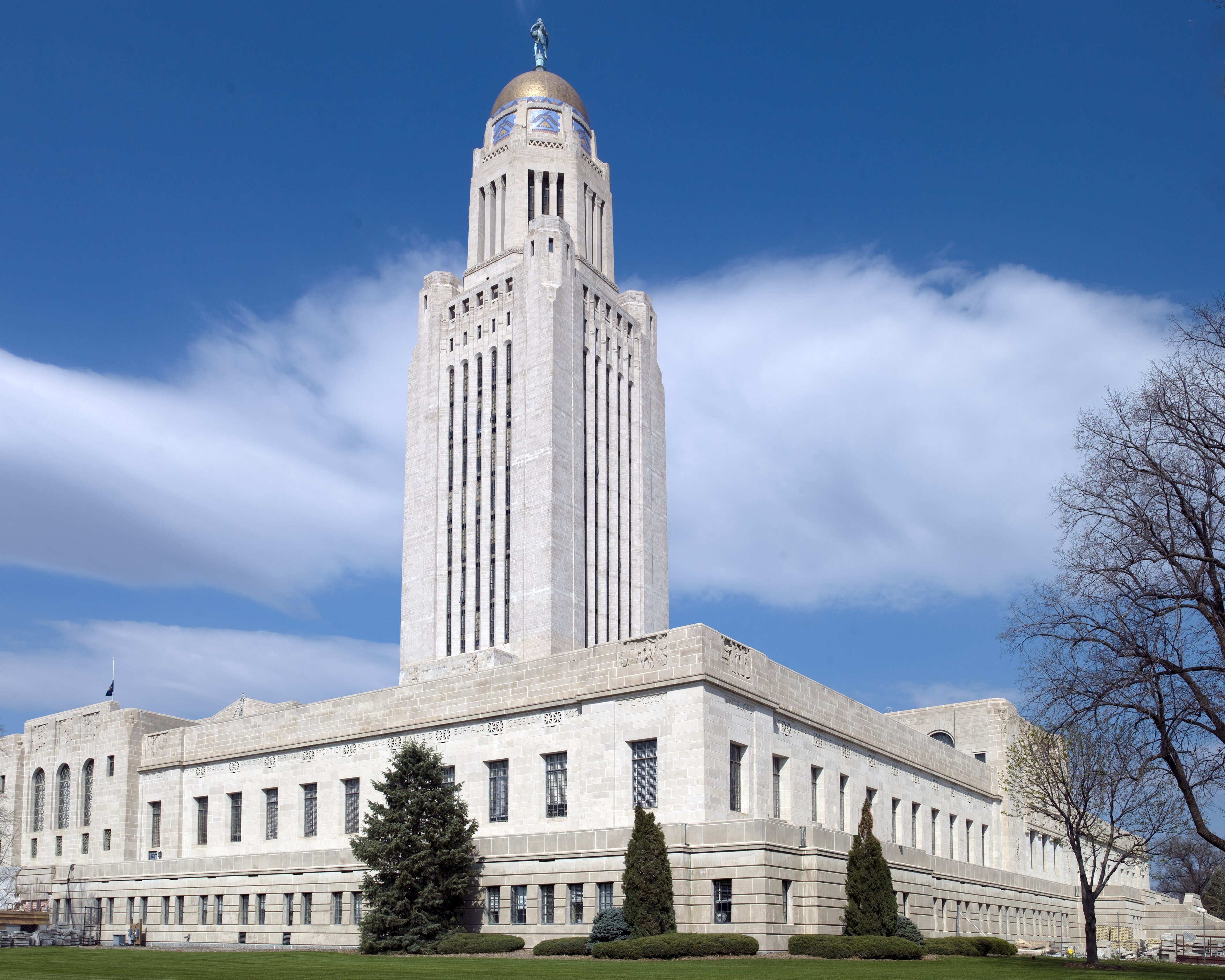
Downtown Lincoln is compact and walkable, centered on the Nebraska State Capitol — a soaring art deco tower that dominates the flat skyline for miles around. Unlike most American statehouse domes, this one is a slender shaft topped by a bronze sower broadcasting seed, visible from the interstate long before you arrive. The interior is worth visiting: the rotunda mosaics, the legislative chamber, and the views from the observation deck reward the elevator ride.
The Haymarket District, a few blocks west of the capitol, is the city's most pleasant neighborhood — renovated brick warehouses turned into restaurants, bars, galleries, and a weekend farmers market that runs from May through October. The University of Nebraska campus fills much of the northeastern quarter of the city, bringing coffee shops, bookstores, and the kind of cheap-lunch spots that make a city livable. The Sheldon Museum of Art and the University of Nebraska State Museum are both free and both undervisited.
Lincoln is not flashy, but it is genuine. The cost of living is low, the traffic is light, and people tend to be straightforwardly friendly. On weekend evenings, the Zoo Bar on 14th Street provides some of the best blues music between Chicago and Denver. For travelers passing through the Great Plains, it is a comfortable overnight stop with more to offer than the interstate impression suggests.