New Hampshire is the granite-spined heart of northern New England — a small state that punches well above its weight in landscape, history, and stubborn independence. The state motto, "Live Free or Die," is not just stamped on the licence plates; it shows up in the absence of a sales tax, the famously contrarian first-in-the-nation primary every four years, and a general willingness to leave you alone if you return the favour.
The big draw is the White Mountains in the north, a tangle of peaks, notches and rivers crowned by Mount Washington — at 6,288 feet the highest summit in the northeast and home to some of the worst recorded weather on earth. The auto road and the cog railway take the lazy to the top; the Appalachian Trail and the Presidential Range traverse take the serious. Franconia Notch, with its tramway, the Flume Gorge and the wistful spot where the Old Man of the Mountain rock face used to be (it collapsed in 2003), is the classic introduction.
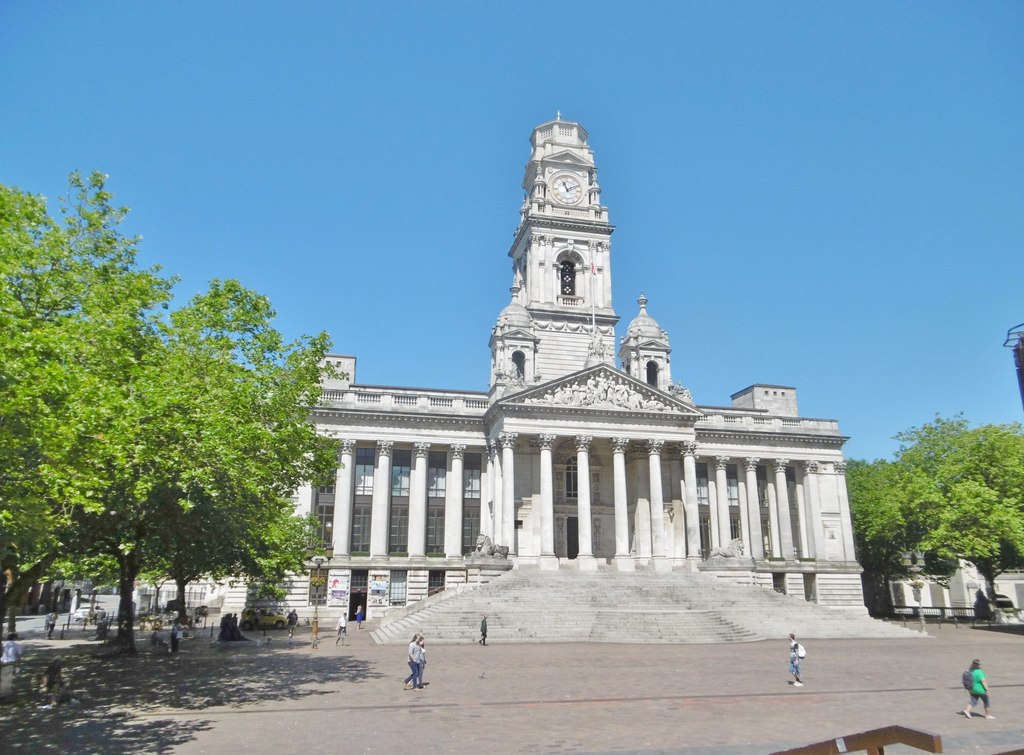
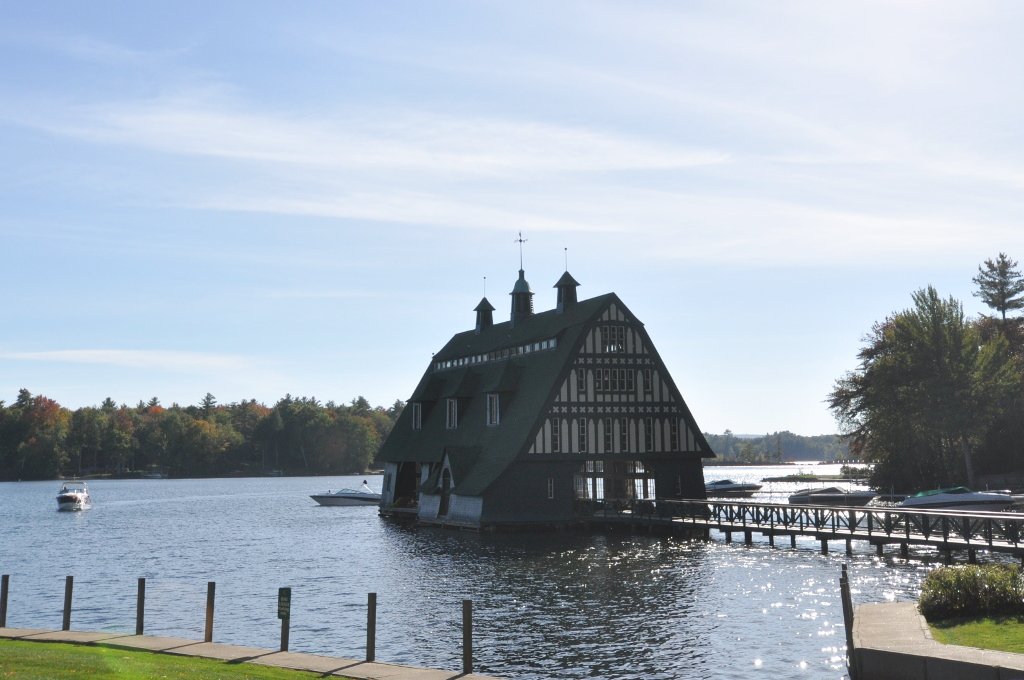
South of the mountains is the Lakes Region, built around vast Lake Winnipesaukee and a string of smaller waters — boating country, with old wooden Chris-Crafts, lakeside dance halls in Weirs Beach, and the steamship Mount Washington still doing dinner cruises. The short Atlantic coastline runs only eighteen miles but packs in honky-tonk Hampton Beach and the genuinely lovely colonial port of Portsmouth, whose brick downtown, working tugboats and Strawbery Banke open-air museum make it the most rewarding small city in the state.
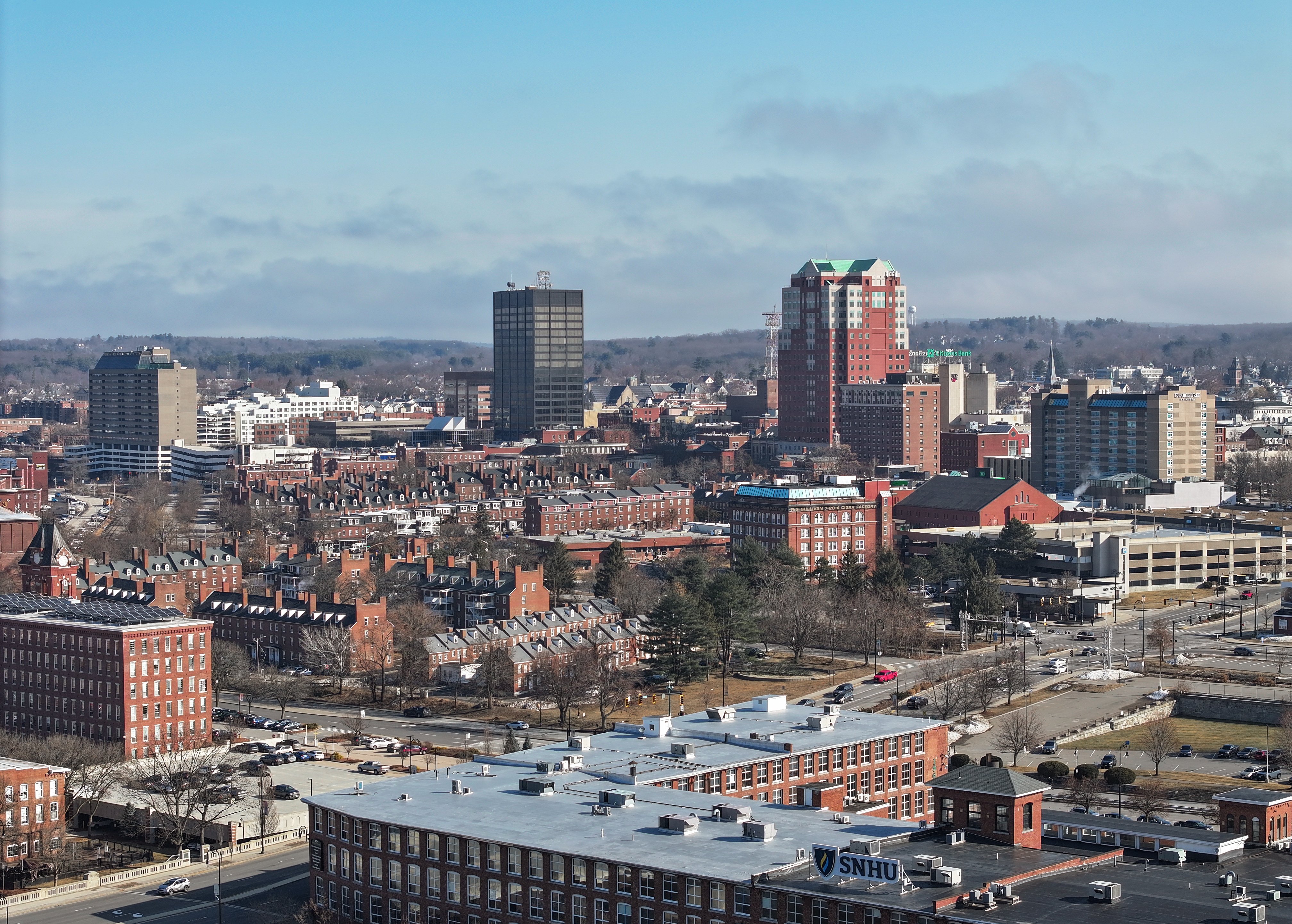
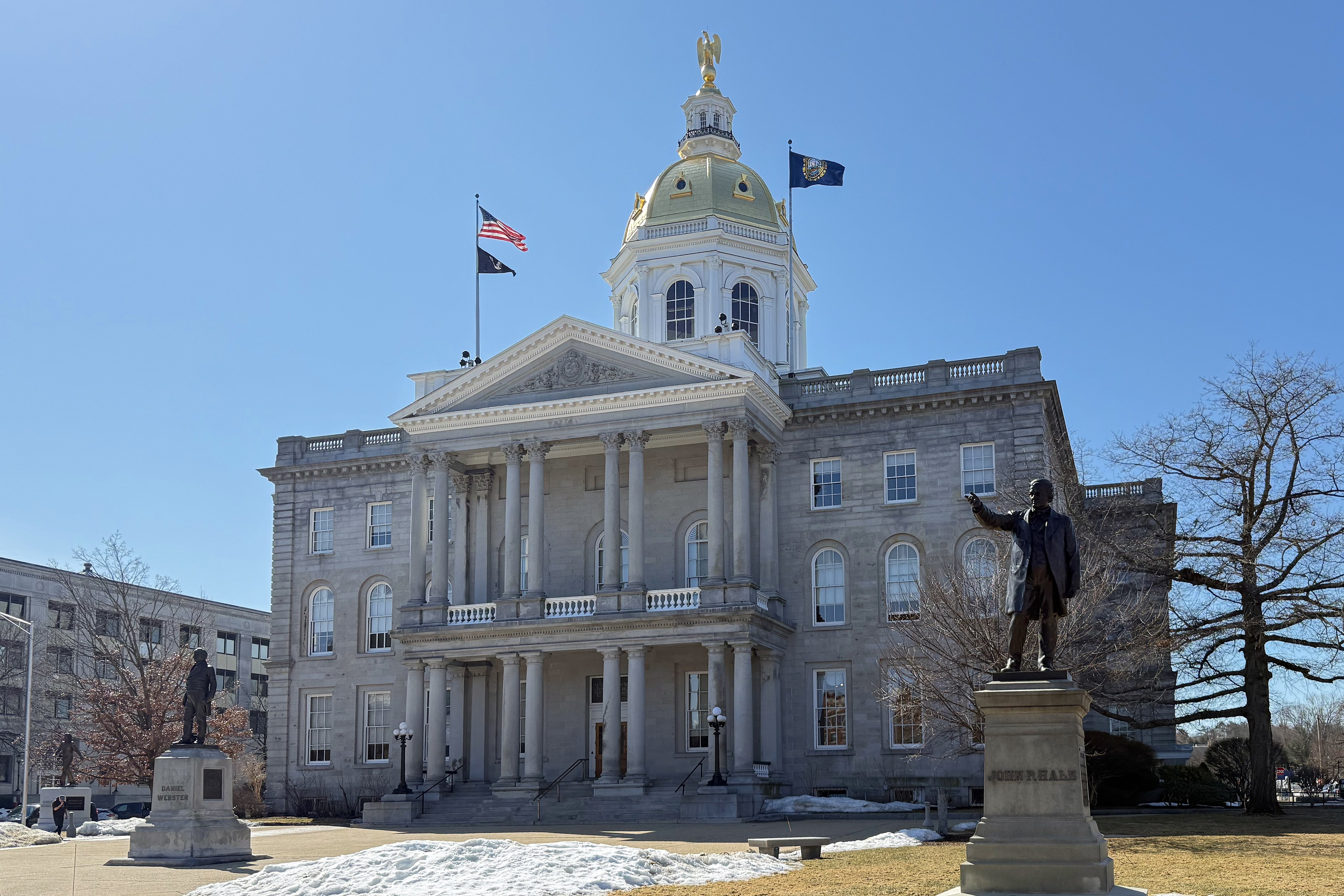
Inland are the political and academic capitals: Concord with its gold-domed State House, Manchester along the Merrimack with its huge brick mill yards converted to offices and restaurants, and Hanover, the postcard college town wrapped around Dartmouth's green. Time your visit for late September or early October if you can — New Hampshire's hardwood forests put on one of the best autumn foliage displays in North America, and every back road becomes worth the detour.