Jamestown
©
Jamestown

Jamestown

Virginia historic settlement where English America began, preserved through archaeology and living-history exhibits.

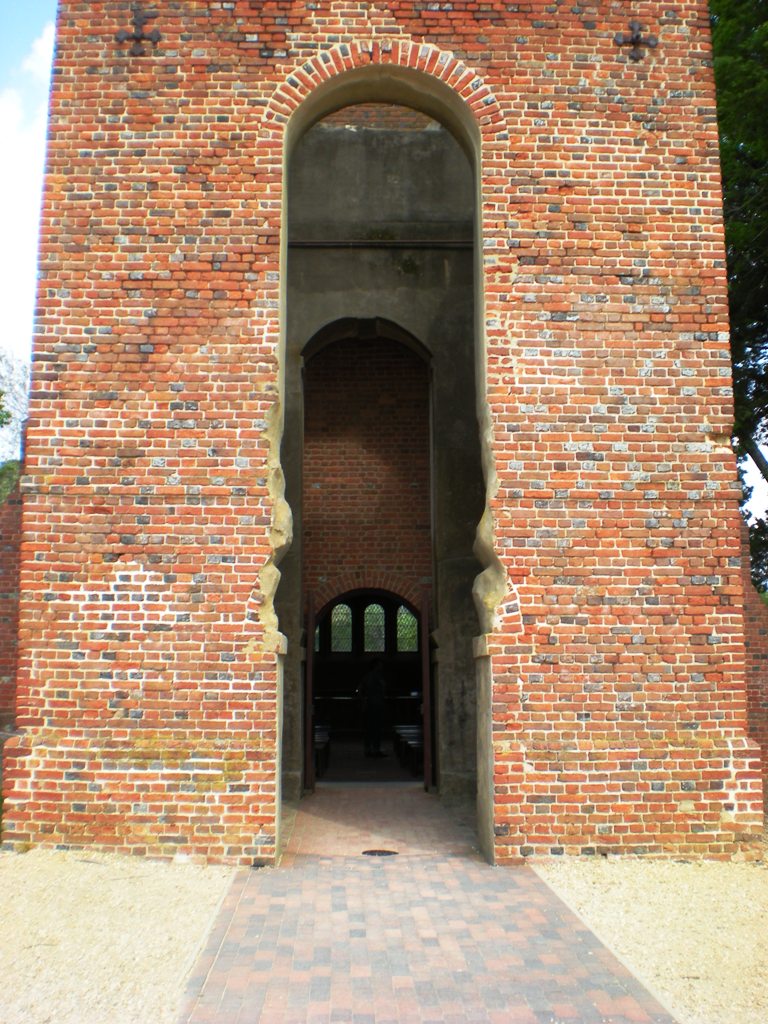
Jamestown is where English America began. Founded in 1607, it was the first permanent English settlement on the continent and the site of the first representative assembly in the New World. Today the original island is Historic Jamestowne, where ongoing archaeological excavations have uncovered the foundations of the 1607 fort and thousands of artefacts from the colony's earliest — and most desperate — years.

Adjacent to the archaeological site, Jamestown Settlement is a living-history museum with full-scale recreations of the three ships that crossed the Atlantic, the colonists' fort, and a Powhatan village. Between the two sites you can easily spend a full day. Jamestown sits on the Colonial Parkway, which also connects Williamsburg and Yorktown — the so-called Historic Triangle of Virginia.

Guide

Getting There

Jamestown sits at the western end of the Colonial Parkway, about a fifteen-minute drive from Williamsburg. The nearest major airports are Norfolk and Richmond, each about an hour away by car. Newport News–Williamsburg International, twenty minutes east, has limited service.

Most visitors arrive by car: there is no public transit between Jamestown and the rest of the Historic Triangle. Free parking is plentiful at both Historic Jamestowne and Jamestown Settlement.

Guide

Things to Do

Jamestown is essentially two related but distinct sites: Historic Jamestowne, the real archaeological site of the 1607 colony, and Jamestown Settlement, the living-history museum a short distance away. Most visitors do both in a single day. Historic Jamestowne is the more serious experience; Jamestown Settlement is more accessible for children.

Add the Glasshouse — included with Historic Jamestowne — and a drive along the Colonial Parkway to complete a full day. The grounds at Historic Jamestowne also include the Archaearium and a memorial church built over the remains of the original 1617 church.