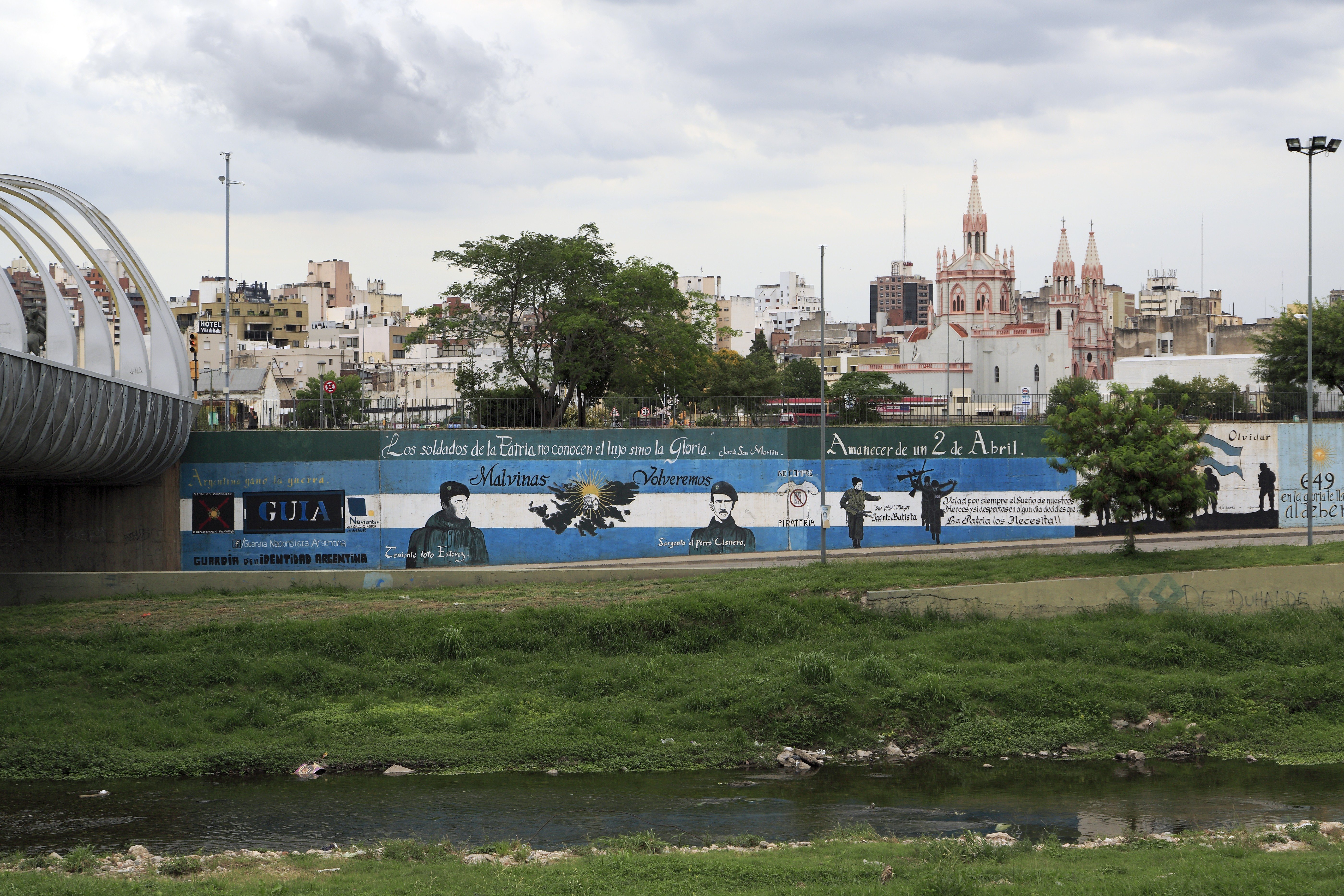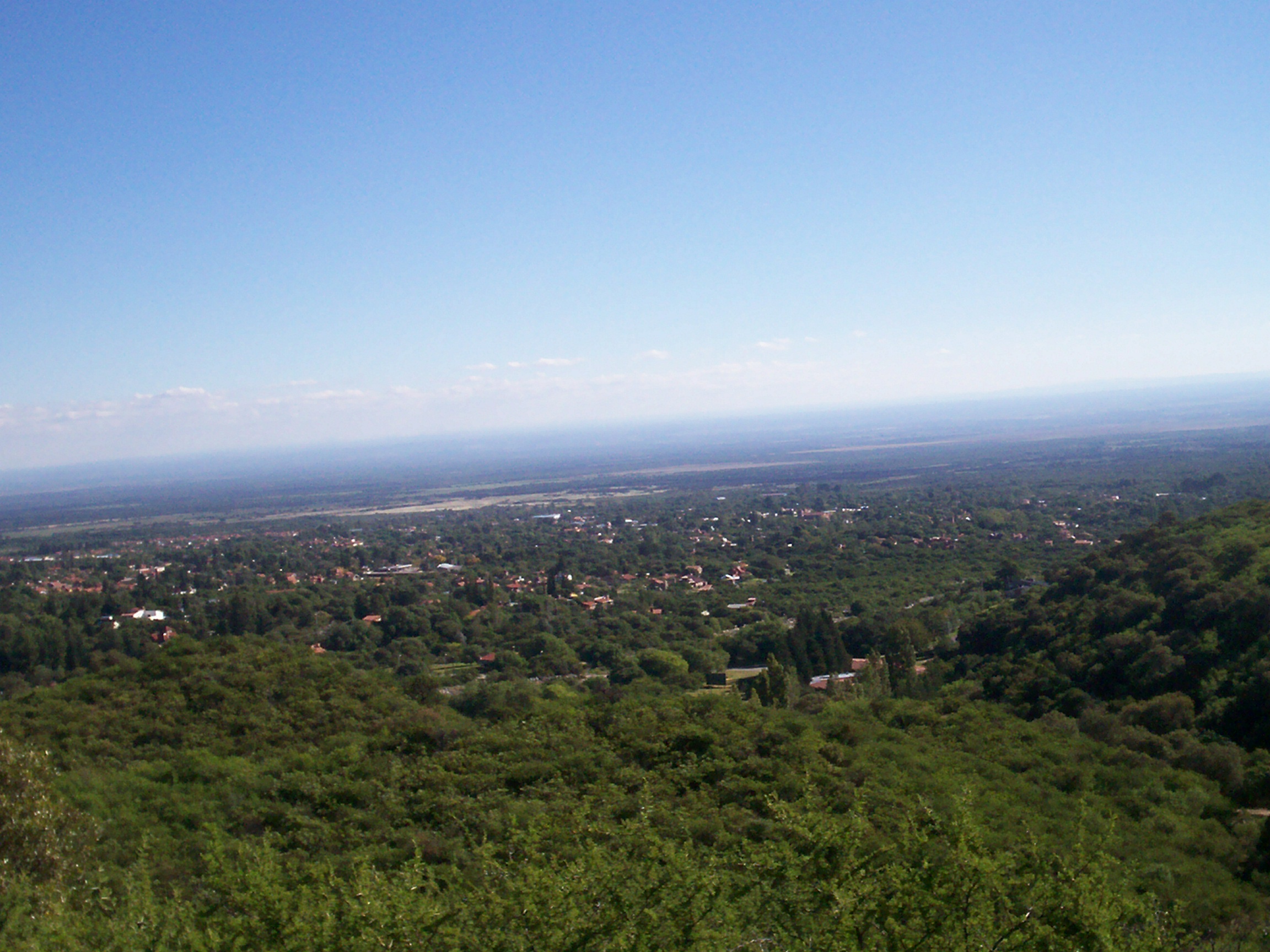
Córdoba sits in the geographical middle of Argentina and has been the country's second city since the Jesuits founded a university here in 1613, two centuries before independence. It is the province Argentines themselves take holidays in: close enough to Buenos Aires for a long weekend, high enough to be cool in January, and cheap.
The city keeps the best colonial core outside the Norte — the Manzana Jesuítica, a block of church, university and residence that is a UNESCO site, along with the estancias scattered across the countryside that funded it.
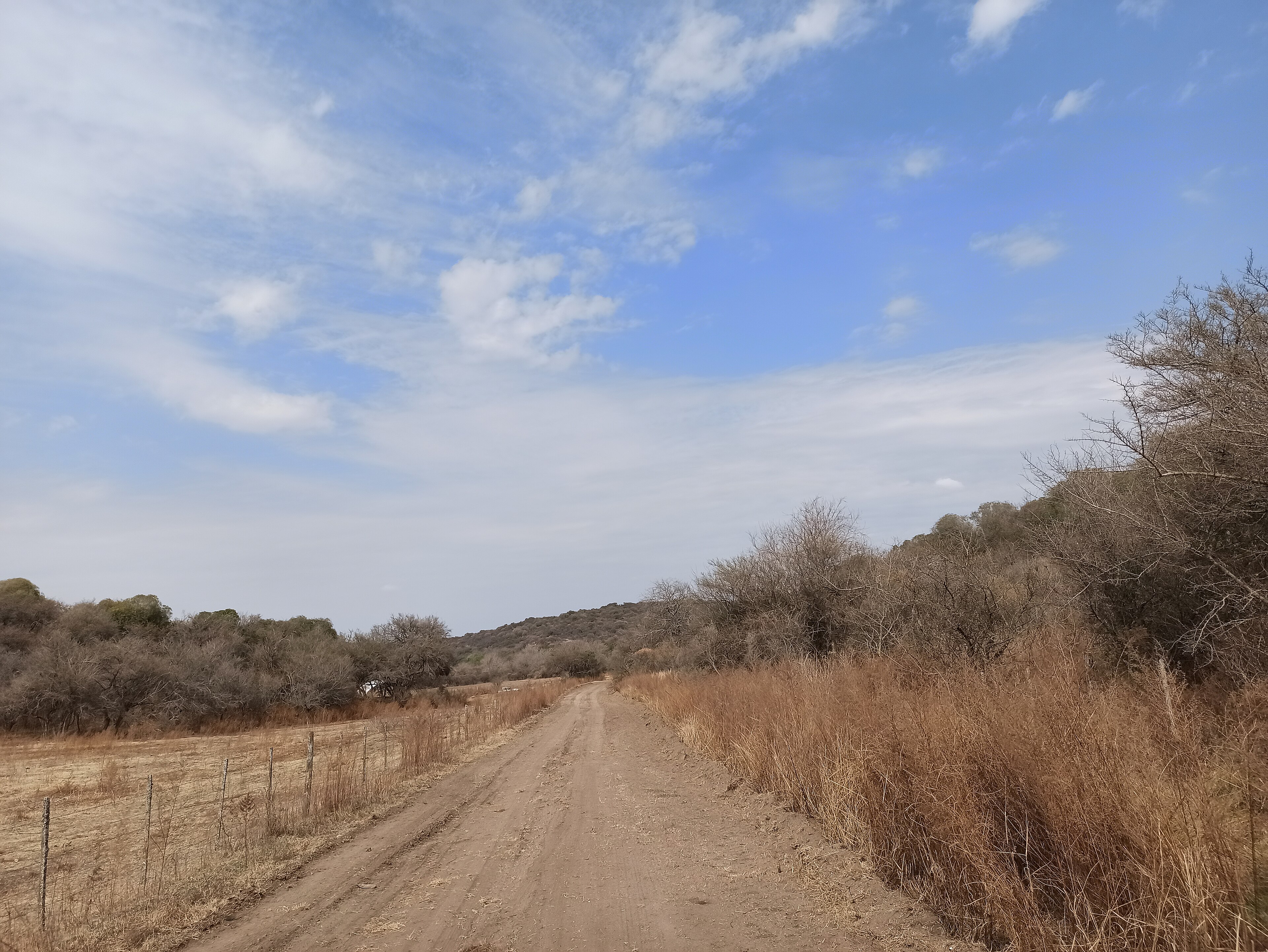
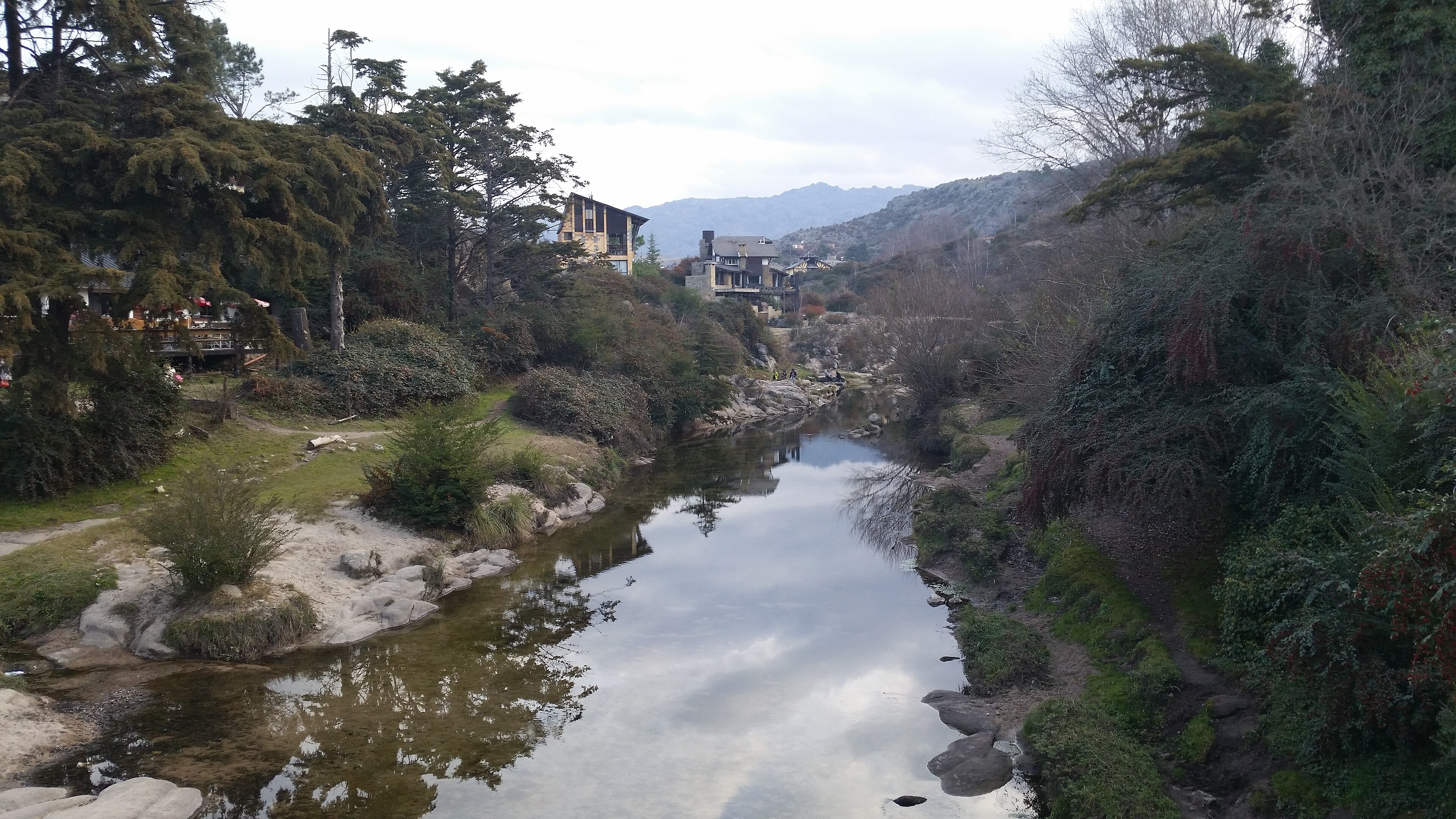
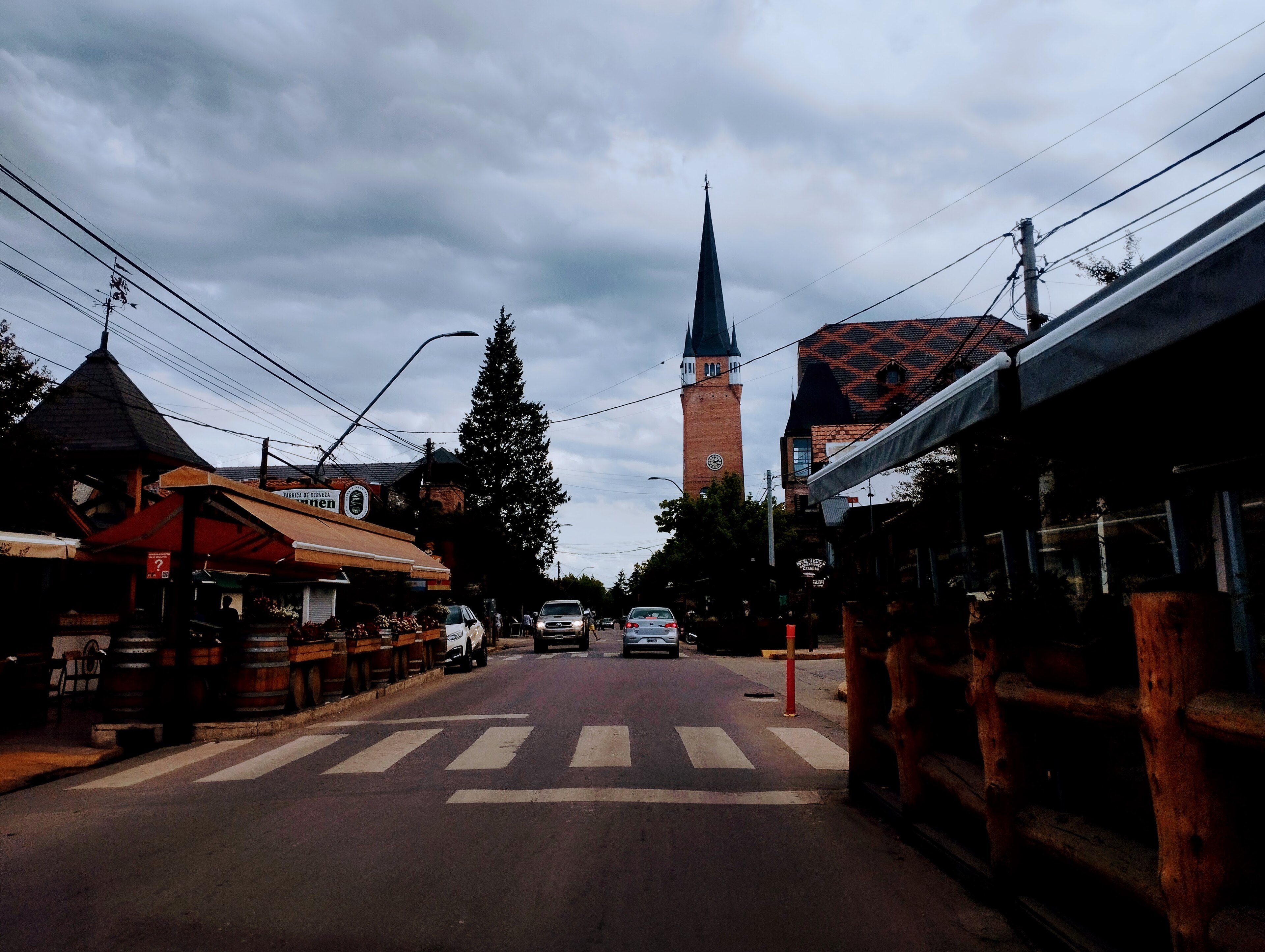
The Sierras de Córdoba are the reason everyone else comes: an old, worn range of granite hills full of river pools, paragliding launches and small towns. Villa General Belgrano was settled by Germans and still holds an Oktoberfest; La Cumbrecita is car-free and alpine in a way that has to be seen to be believed.
This is not wilderness — the sierras are busy in January and at Easter, and the towns are firmly domestic tourism. Come outside those windows and you get the landscape without the queue.