Argentina is the second-largest country in South America and behaves like several countries stacked end to end. It runs 3,700 kilometres from the Bolivian border to the Beagle Channel, which means subtropical jungle at one end and sub-Antarctic peat bog at the other, with the world's highest mountains outside Asia along its western edge the whole way down. Almost nobody sees more than a third of it in one trip, and the useful thing to work out early is which third.
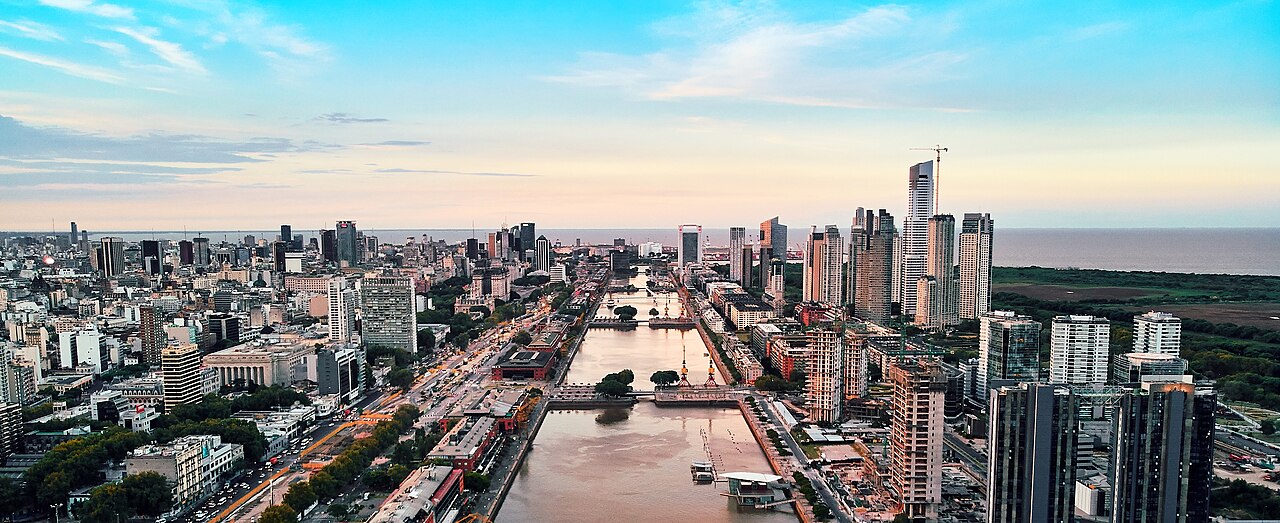
Buenos Aires is where most people start and the part of the country that least resembles the rest of it. It is a European city that took a wrong turn somewhere in the Atlantic — Parisian apartment blocks, Italian surnames, Spanish spoken with an Italian cadence — and it is where tango, the best steak of your life and a bookshop in an old theatre all live. Give it four days before deciding anything.
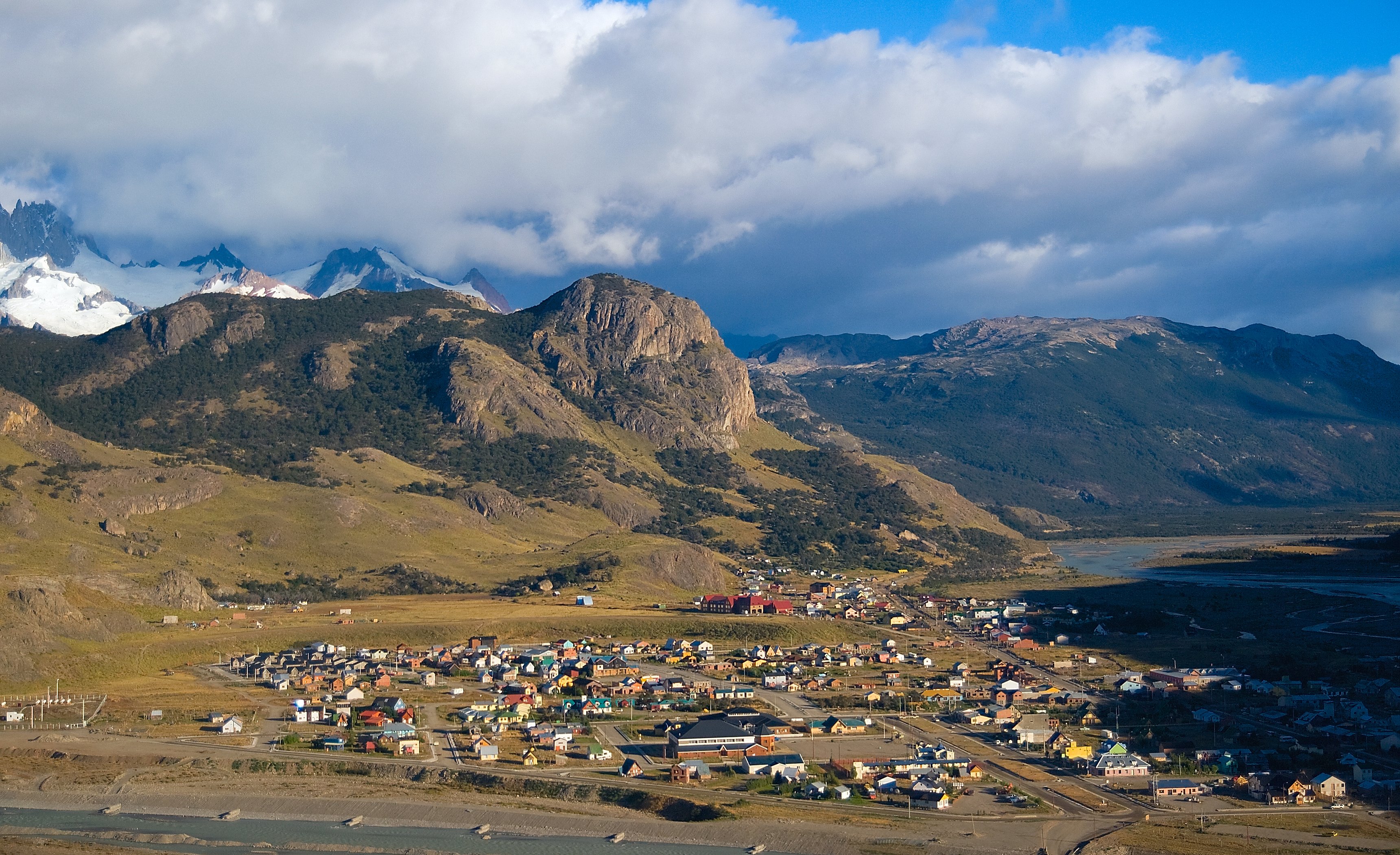
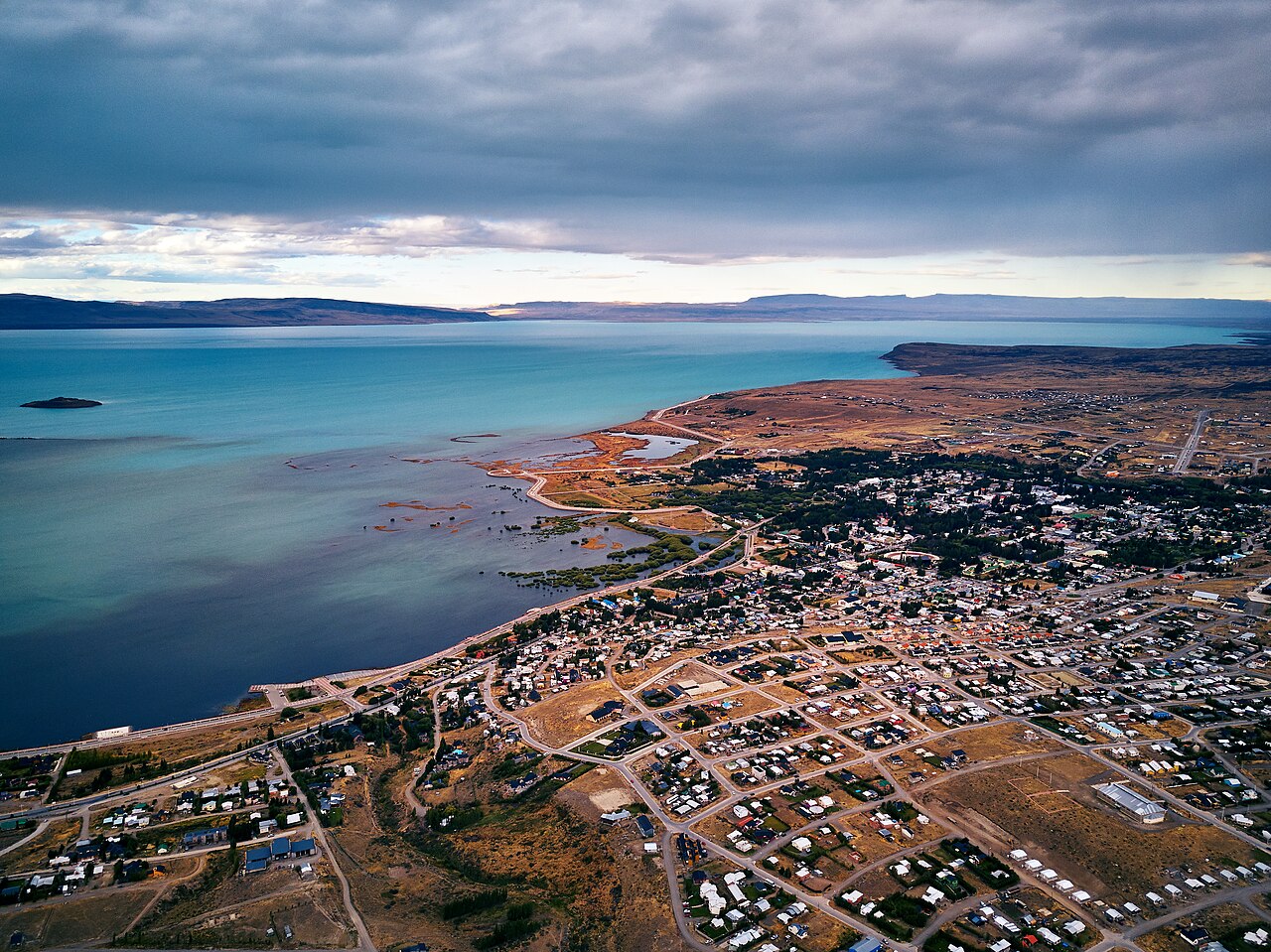
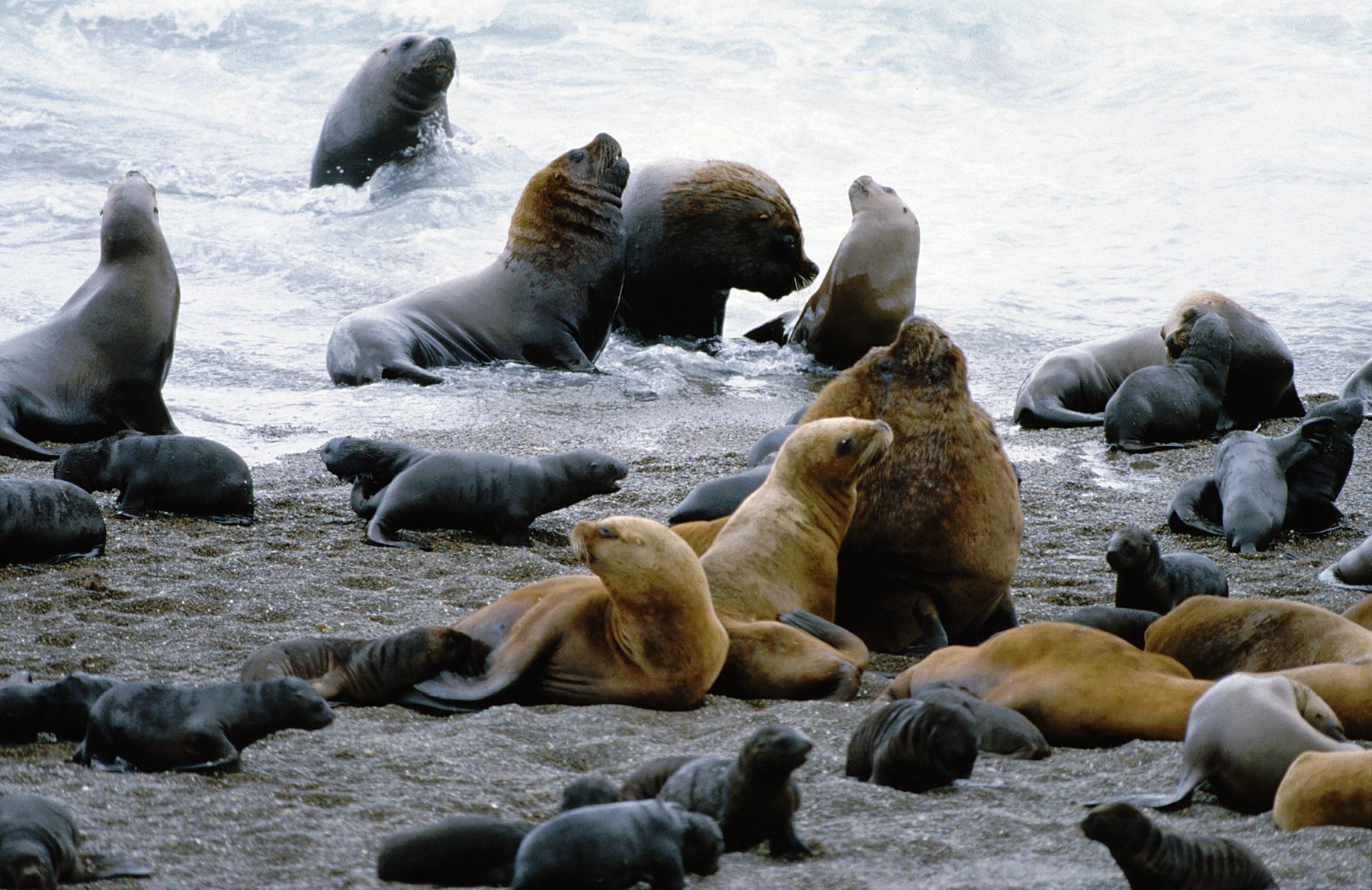
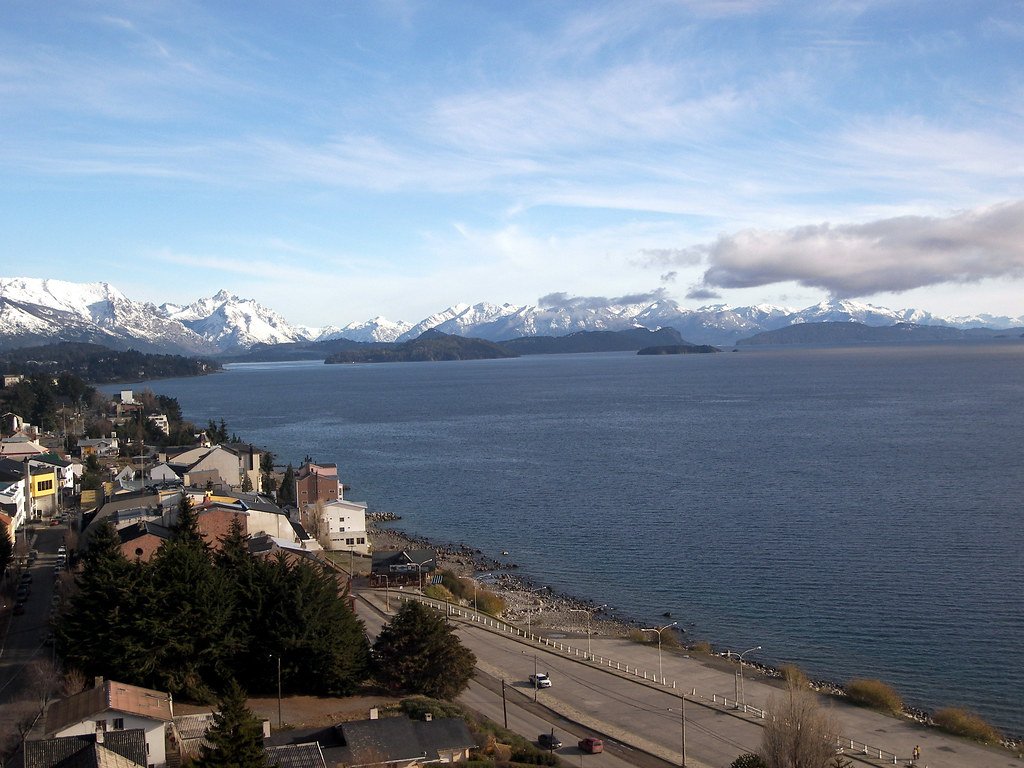
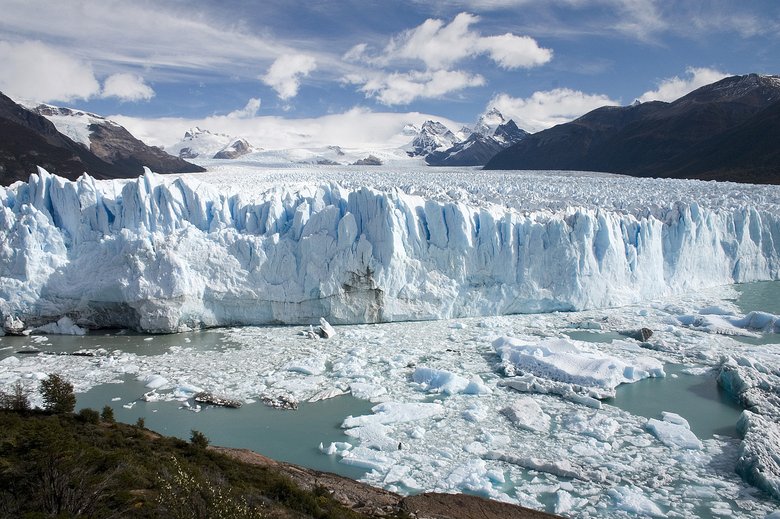
South of the capital, the Pampas are the flat grassland that made the country rich, with gaucho towns, working estancias and the long Atlantic beach coast the whole country decamps to in January. Further south again is Patagonia, which is the reason many people come: the granite spires at El Chaltén, the Perito Moreno glacier calving into a lake at El Calafate, right whales at Península Valdés, and Ushuaia at the bottom calling itself the end of the world and more or less meaning it.
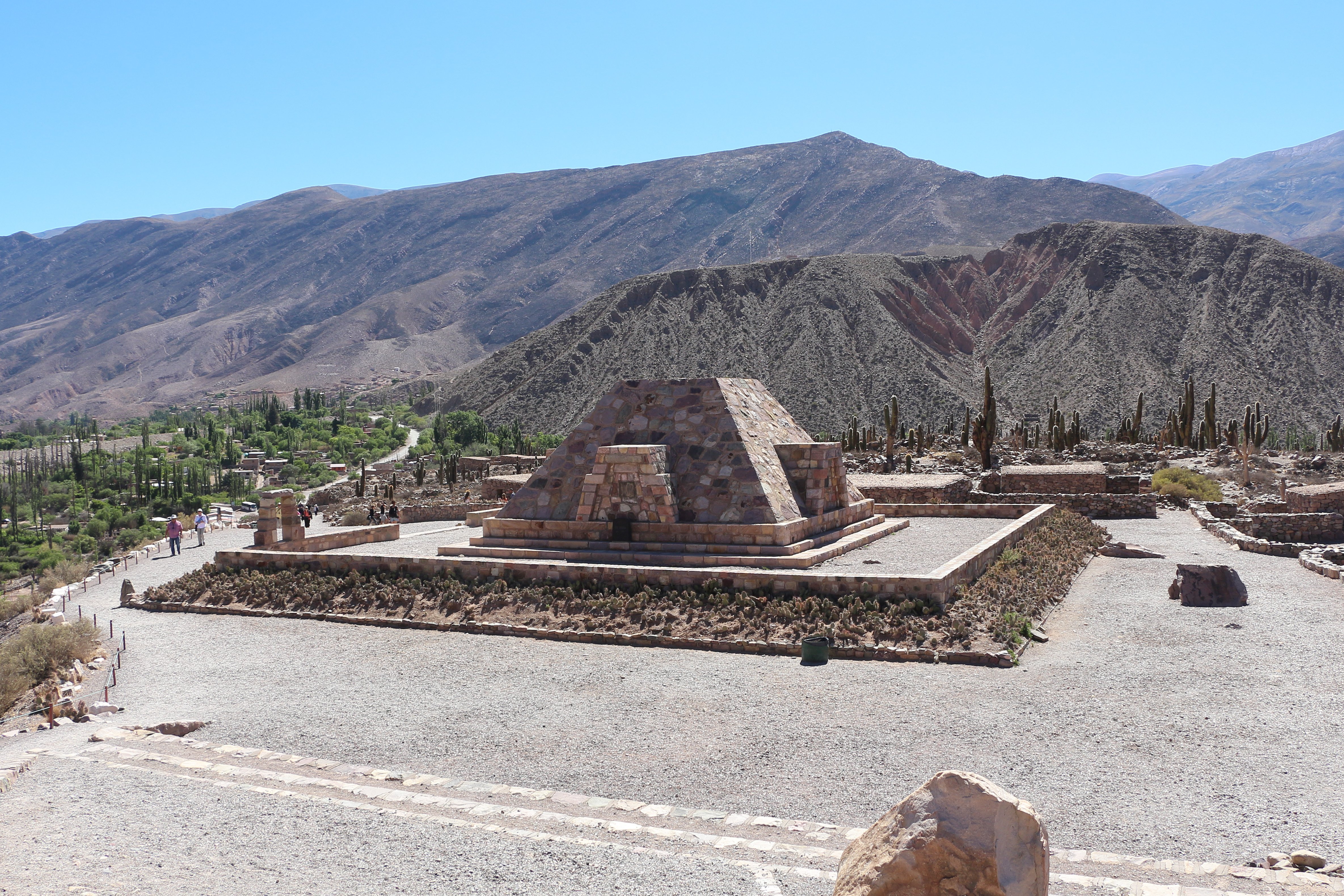
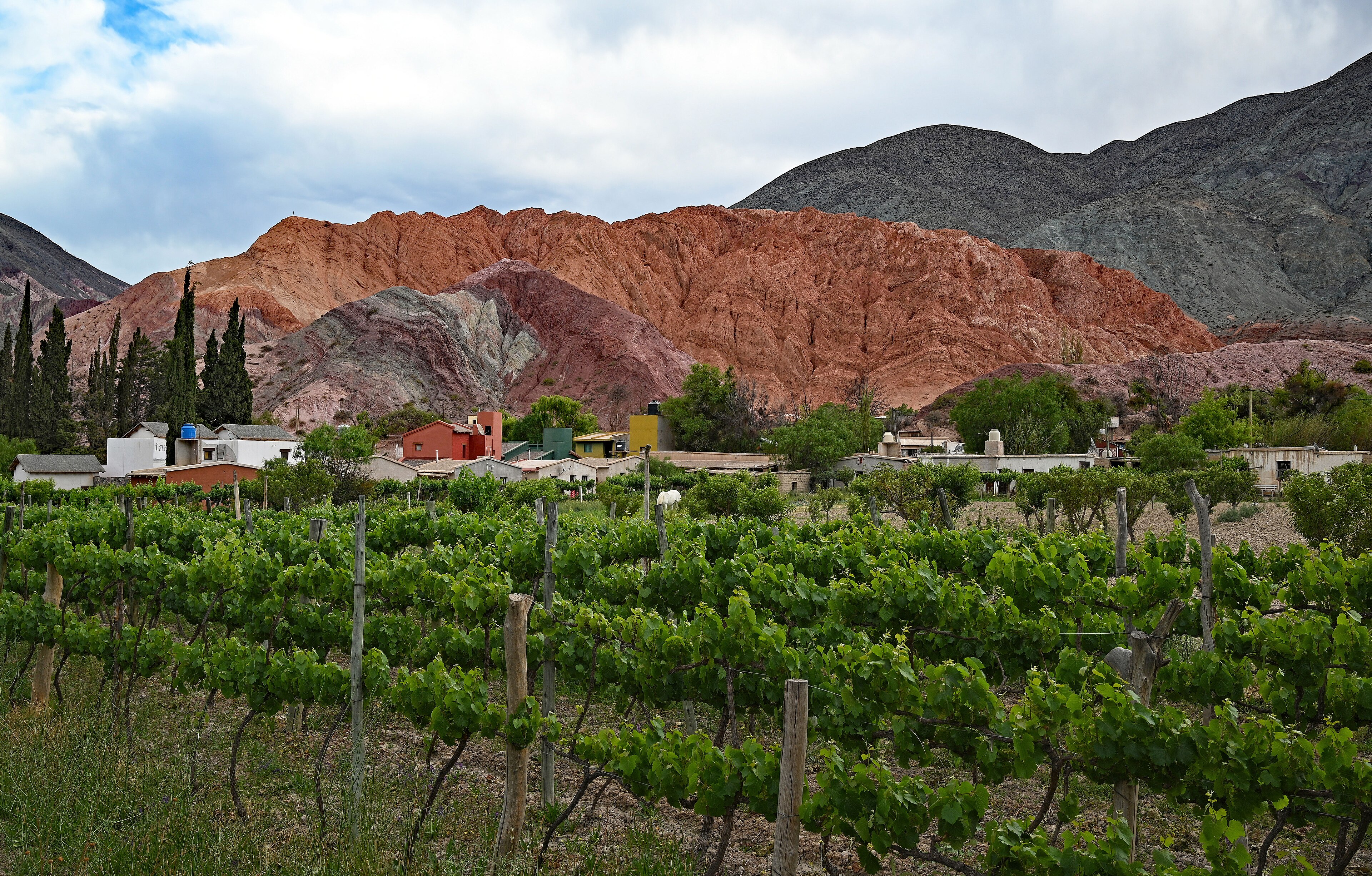
The Norte is the opposite trip and an underrated one. The land climbs to the altiplano, the architecture turns to adobe, and the Quebrada de Humahuaca runs north through hillsides striped in seven colours. Salta is the base, and the wine at Cafayate is worth the drive on its own.
Cuyo along the Chilean border is wine country under the highest Andes — Mendoza and several hundred bodegas, with Aconcagua at 6,961 metres behind them. Córdoba in the middle has Jesuit ruins and the sierras Argentines themselves holiday in. And the Litoral in the north-east is the wet corner: the Paraná river, the Iberá marshes and their returning jaguars, and Iguazú, which is one of the few sights that survives its own reputation.
Two practical warnings. Distances are enormous — Buenos Aires to Ushuaia is further than London to Cairo, and the bus takes days — so budget for internal flights or accept that you will see less. And the economy is volatile in a way that affects travellers directly: prices, exchange rates and the sense of what things cost can shift within a single visit. Check what the peso is doing before you go rather than trusting a figure written down a year ago.