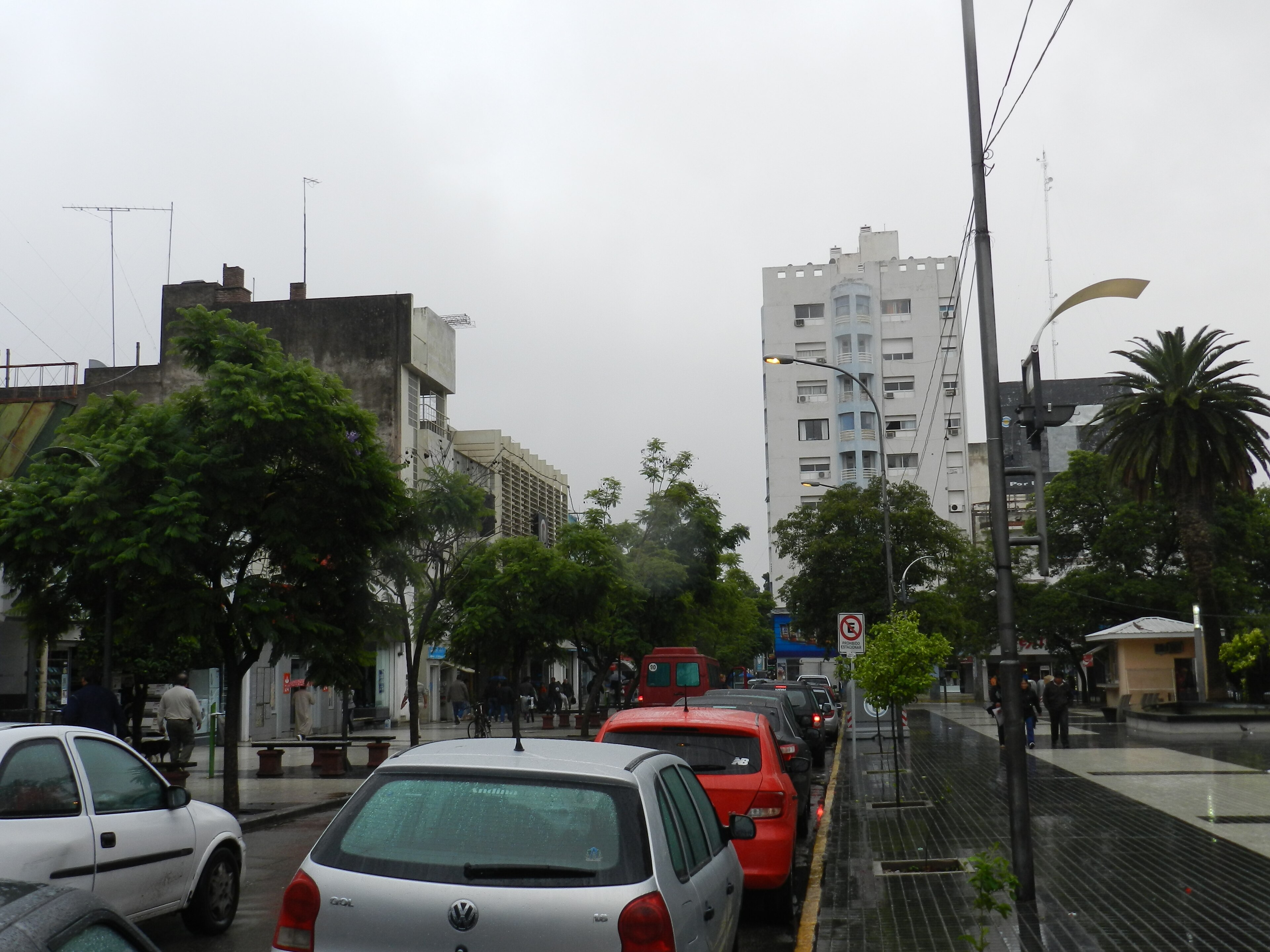
La Rioja
©
La Rioja

La Rioja

Hot northwestern Argentine city at the Sierra de Velasco, used as a base for Talampaya's red canyons.

La Rioja is the capital of the province of the same name, set at the foot of the Sierra de Velasco in northwestern Argentina. It is a hot, dry city — summer temperatures regularly exceed 40°C — and serves as a base for exploring the dramatic desert landscapes of the region.

The main draws are outside the city. Talampaya National Park, a UNESCO World Heritage Site, has towering red sandstone cliffs and canyons with ancient petroglyphs. The nearby Ischigualasto Provincial Park (Valle de la Luna) is one of the most important palaeontological sites in South America, with a moonscape of eroded formations and dinosaur fossils dating back 230 million years. Both parks can be visited as day trips from La Rioja.

The city itself is quiet and pleasant, with a handsome central plaza, a cathedral, and the Museo Folklórico with a collection of regional crafts and religious art. Come in winter if you can — the heat in summer is punishing.

Guide

Bars and Cafes

La Rioja's café culture centres on the main plaza and the streets immediately around it. The pace is unhurried, and a coffee mid-morning or a glass of wine in the early evening is how people spend their time between the heat. Avoid venturing out between midday and around 5 pm in summer — even the locals don't.

Evenings come alive gradually. The plaza fills up after dark, bars open late, and the city's young population tends to eat dinner well after 10 pm. Craft beer is increasingly available, but the local torrontés wine remains the most satisfying drink after a hot day in the desert.

Guide

Day Trips

La Rioja's surroundings are the main reason most visitors come this far north. The desert landscapes to the north and west are among the most striking in South America, and several of the sites are protected as national or provincial parks.

Talampaya National Park, about 180 km north, is the headline attraction — a UNESCO World Heritage Site shared with Ischigualasto. The canyon circuit through the park passes beneath walls of red sandstone up to 150 metres high, scattered with pre-Columbian petroglyphs. Condors nest in the cliffs and can often be seen soaring overhead. Tours leave from the city in the early morning and return by late afternoon.

Ischigualasto Provincial Park (Valle de la Luna), just over the border in San Juan Province, is often combined with Talampaya in a single long day. The landscape here is utterly different — grey and white clay formations eroded into strange shapes, peppered with fossilised bones from the Triassic period. It is one of the few places in the world with a complete geological record of the Triassic, and the palaeontological finds here transformed understanding of early dinosaur evolution.

Closer to the city, the Sierra de Velasco foothills offer hiking and, in the village of Sanagasta, hot springs. The drive up into the range gives good views back over the city and the flat desert floor below.

Guide

Eating Out

La Rioja has a distinct regional cuisine shaped by its Andean and mestizo heritage. The dish to order is cabrito al horno — slow-roasted kid goat, often seasoned with local herbs and served with locro or roasted vegetables. Humita en chala (seasoned corn paste steamed in corn husks) and empanadas riojanas, filled with spiced meat and hard-boiled egg, are everywhere and excellent.

The city is in wine country. La Rioja province produces torrontés, the aromatic white that has become one of Argentina's signature grapes, along with malbec and syrah. Most restaurants will have a respectable local wine list; a glass of chilled torrontés with a plate of empanadas is as good an introduction to the province as you'll find.

Most restaurants are concentrated around the city centre and along Avenida Ortiz de Ocampo. Standards are generally good, prices are low by Argentine urban standards, and a full dinner with wine rarely costs much. Lunch is the main meal; many places close in the afternoon and reopen for dinner around 9 pm.

Guide

Getting Around

The city centre is walkable, if hot. The main sights — the plaza, the cathedral, the folk museum — are all within easy walking distance of each other. Taxis and remises (private hire cars) are inexpensive and are the sensible option in the heat.

For the national parks, a rental car or an organised tour is the practical choice. Talampaya National Park is about 180 km north of the city on RN 26, and while the road is paved, there is no public transport to the park entrance. Several agencies in the city run day tours to Talampaya and to the combined Talampaya–Ischigualasto circuit. Ischigualasto is in San Juan Province, so the combined tour crosses a provincial border — tours handle the logistics and it adds no complication for visitors.

Car hire is available at the airport. Having your own vehicle gives considerably more flexibility, particularly if you want to stop at smaller sites along the way or spend more than a few hours in the parks.

Guide

Getting There

The easiest way to reach La Rioja from Buenos Aires is by air. Capitán Vicente Almandos Almonacid Airport (IRJ) is about 7 km east of the city centre and has daily flights from Buenos Aires operated by Aerolíneas Argentinas and LATAM. Flight time from Aeroparque Jorge Newbery is around two hours.

By bus, La Rioja is connected to most major Argentine cities. The Terminal de Ómnibus is on Avenida España. Overnight buses from Buenos Aires take around 13–15 hours depending on the service; the journey from Córdoba is about 5–6 hours. Bus standards in Argentina are generally high, and the long-distance seats (cama or semi-cama) are comfortable enough for overnight travel.

Driving is an option from Córdoba or Mendoza — the roads are paved and in reasonable condition — but distances are long and the landscape, though spectacular, offers little variety for hours at a stretch.