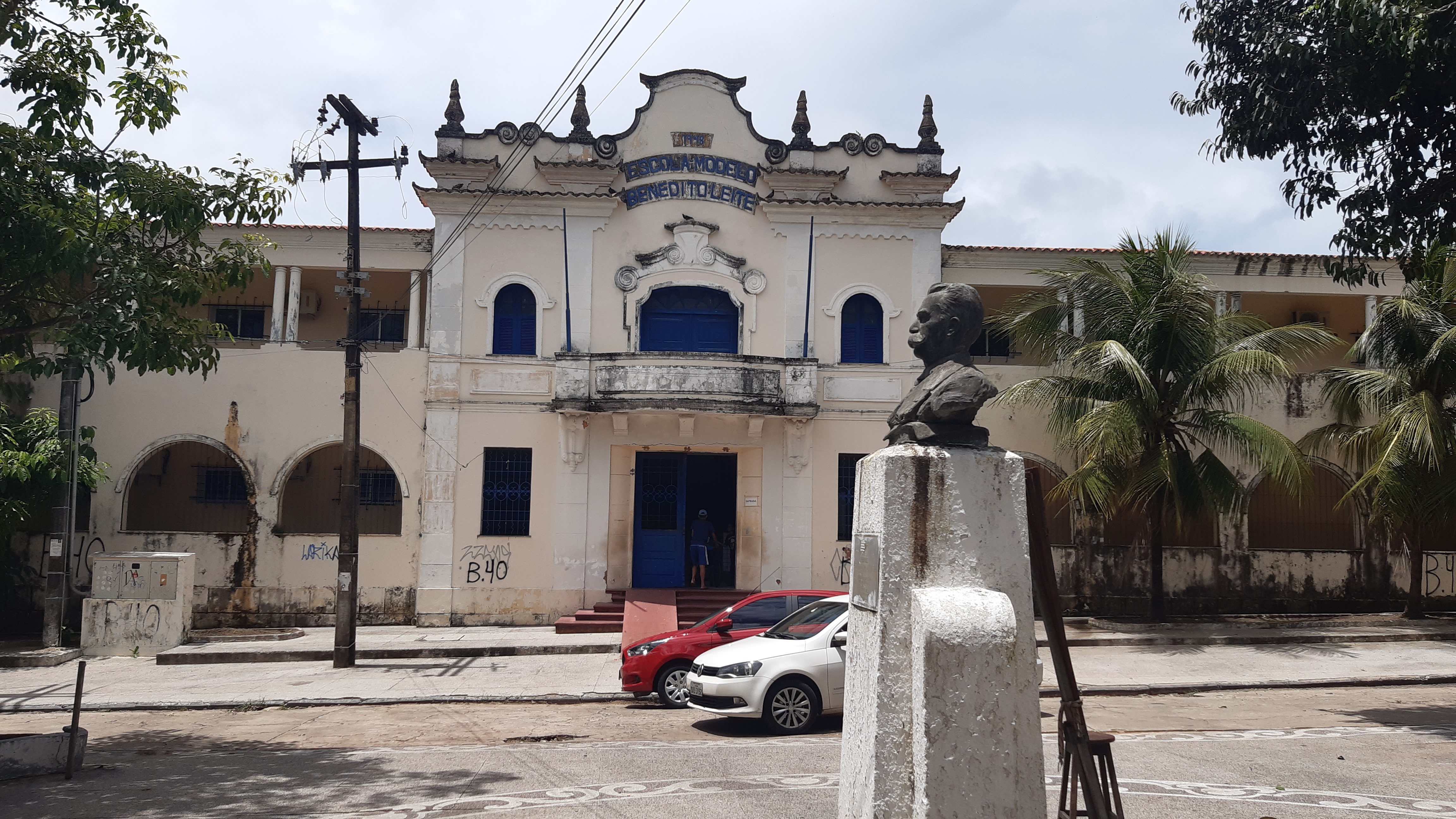
São Luís is the capital of Maranhão state in northeastern Brazil, founded by the French in 1612 and the only Brazilian state capital established by France. The city sits on an island in the bay where the Anil and Bacanga rivers meet the Atlantic, and its historic centre is a UNESCO World Heritage Site — one of the finest collections of Portuguese colonial architecture in the Americas.
The old town is remarkable for its azulejos, the painted ceramic tiles that cover the facades of hundreds of colonial townhouses. Many date from the eighteenth and nineteenth centuries, when São Luís grew wealthy from cotton and sugar exports. The buildings are in various states of repair — some beautifully restored, others crumbling romantically — and wandering the steep cobbled streets of Praia Grande is the best way to take it all in.
São Luís is also the capital of reggae in Brazil. The city's sound system culture, inherited from Jamaican music that arrived via the Caribbean trade routes, is unique in South America. On weekends, outdoor radiolas (massive sound systems) set up in squares and vacant lots, and the city dances. The local style, reggae roots, is played at a slightly slower tempo than the Jamaican original. The Reggae Maranhão Museum in the historic centre tells the full story.
The food is distinctive too. Maranhão cuisine draws on indigenous, African, and Portuguese traditions: arroz de cuxá (rice with a sauce of dried shrimp, sesame, and vinagreira leaves) is the signature dish, and the seafood — crabs, prawns, fresh fish — is excellent and inexpensive. The most spectacular day trip is to the Lençóis Maranhenses — white sand dunes with turquoise lagoons — about 250 kilometres east.