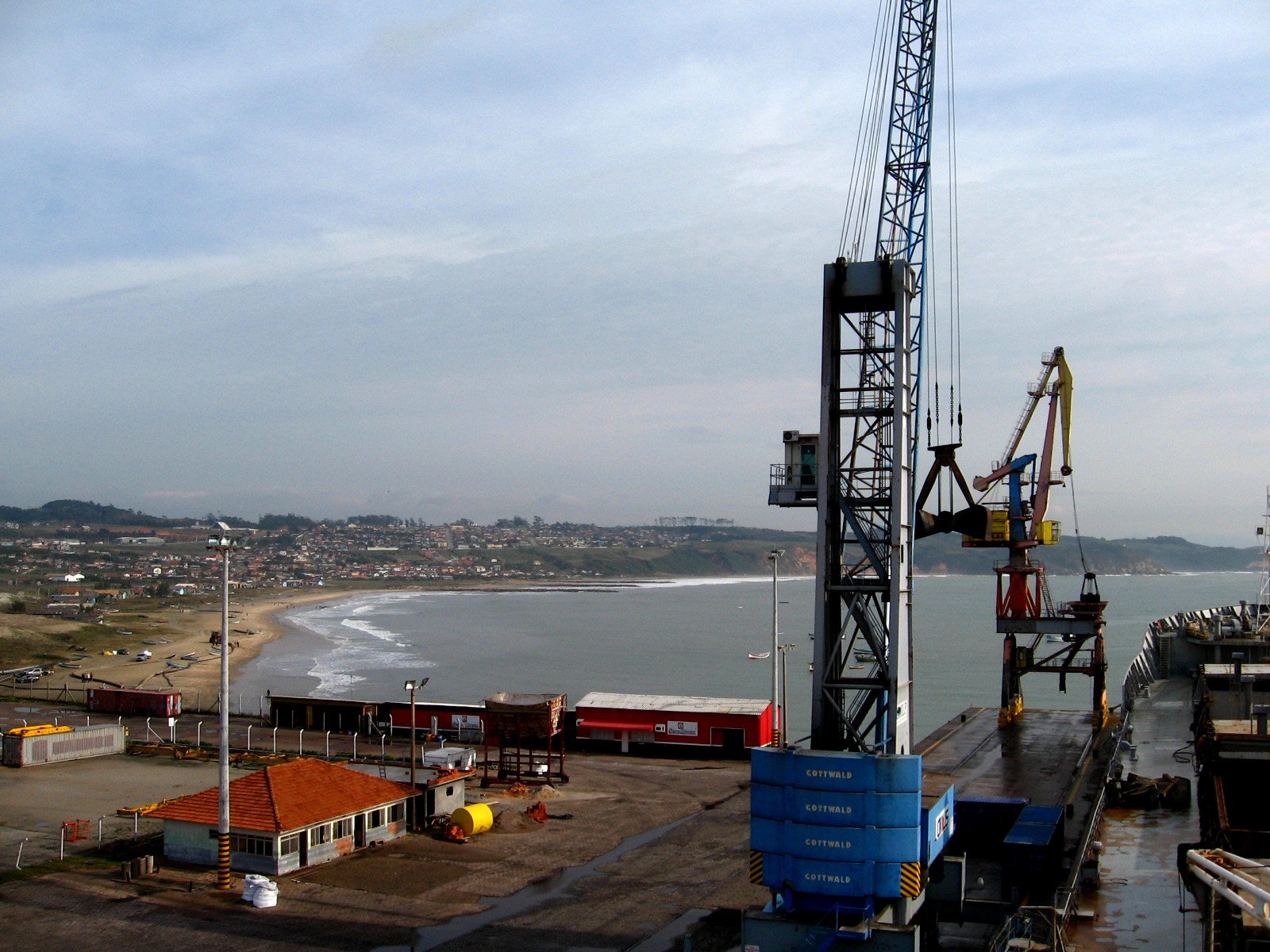
Santa Catarina port town known for shore-based southern right whale watching and nearby Praia do Rosa.
Imbituba is a small port town on the coast of Santa Catarina, about 90 km south of Florianópolis. For most of its modern life it was defined by its coal port, but it has gradually become known for something more appealing: whale watching. Between May and November, southern right whales migrate here to give birth and nurse their calves in the sheltered waters — you can watch them from the shore.
The other draw is Praia do Rosa, a sweeping beach a few kilometres south of town with waves that have made it one of the premier surf spots in Brazil. The beach sits inside a bay ringed by green hills, and the village behind it has a low-key, end-of-the-road feel. Beyond Praia do Rosa, the coastline around Imbituba is largely unspoiled: dune-backed beaches, coastal lagoons, and fishing communities that haven't yet been overwhelmed by development.
The town itself is modest — a working-class port with a market, a few restaurants, and the kind of low-key street life you find in places that haven't tried to reinvent themselves for tourism. That's part of the appeal.
Guide
Beaches
The main reason people come to Imbituba is the coastline, and it delivers. Praia do Rosa is the standout — a long arc of sand between two headlands, protected enough for swimming but with consistent surf that has attracted serious wave riders for decades. The village behind the beach has grown around that reputation, with small pousadas and surf shops, but it hasn't been overdeveloped. You can still walk the headland path and feel like you found it yourself.
Closer to town, Praia do Pinheira and Praia de Ibiraquera are quieter options backed by the Lagoa de Ibiraquera, a large coastal lagoon popular for windsurfing and kite surfing. The lagoon and beach share a narrow strip of land that makes the setting unusually scenic.
Praia de Itapirubá to the north is the most local of the beaches — families, fishing boats pulled up on the sand, not much infrastructure. A good place to go if you want fewer people.
Guide
When to Go
The whale watching season runs from May to November, when southern right whales arrive to calve in the waters off Imbituba. The peak is July and August. You can often see them from the shore — particularly from the headlands around Praia do Rosa — without needing a boat, though boat trips are available.
Summer (December to March) is beach season. The town fills with visitors from across Santa Catarina and further afield, the water is warm, and the surf is generally smaller. If you want the beaches without the crowds, come in April or early May — the water is still swimmable and the whales are just beginning to arrive.
The Festa do Camarão (Shrimp Festival) takes place in January and centers on the local fishing tradition. Not a spectacular event, but a good snapshot of what the town actually is when tourists aren't the main event.