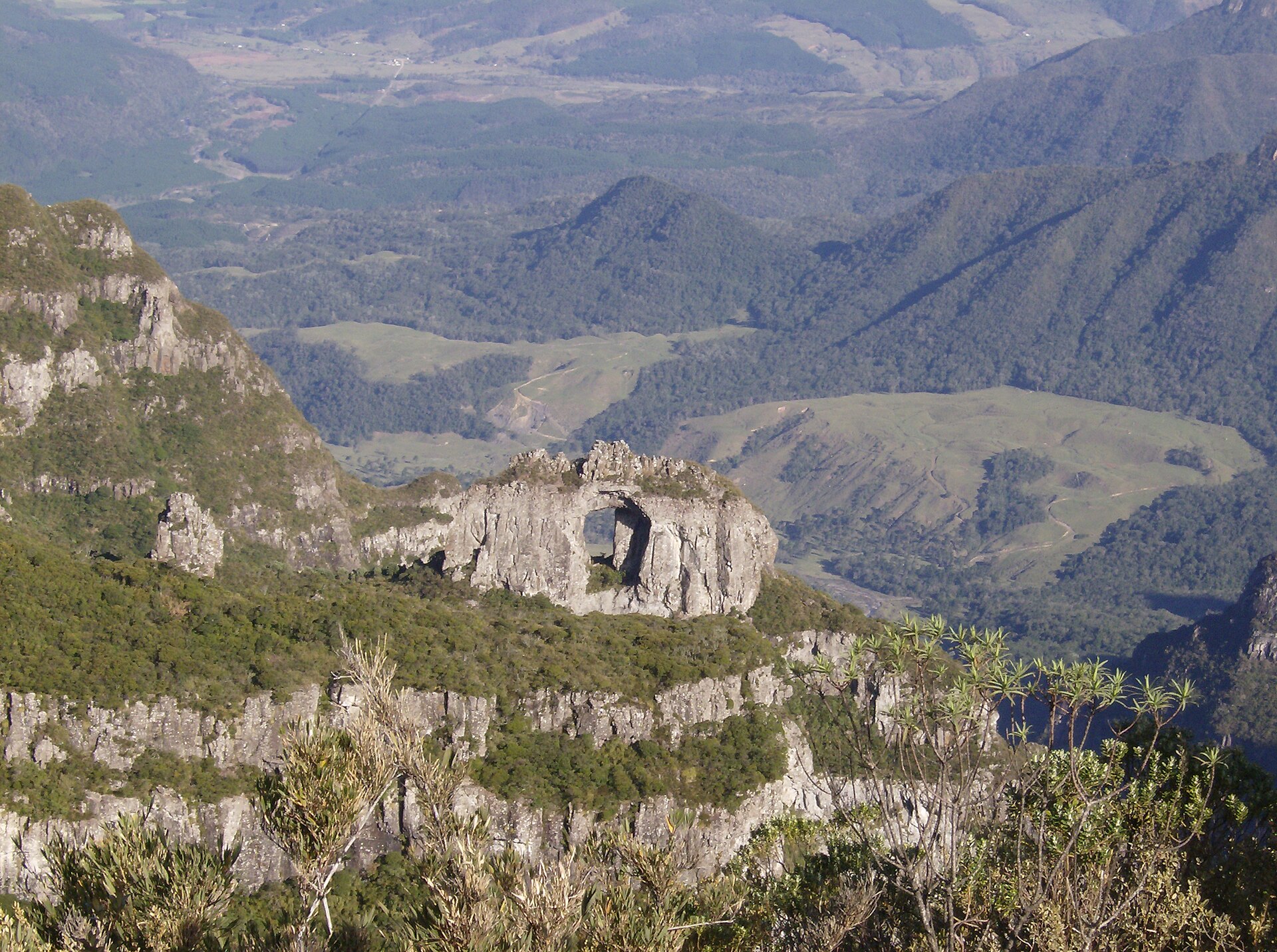
The Sul — Paraná, Santa Catarina and Rio Grande do Sul — is the Brazil that surprises people. It has four seasons, frost in winter and snow some years in the highlands, and it was settled in the nineteenth century largely by Germans, Italians, Poles and Azoreans, whose towns and food still set it apart from the rest of the country.
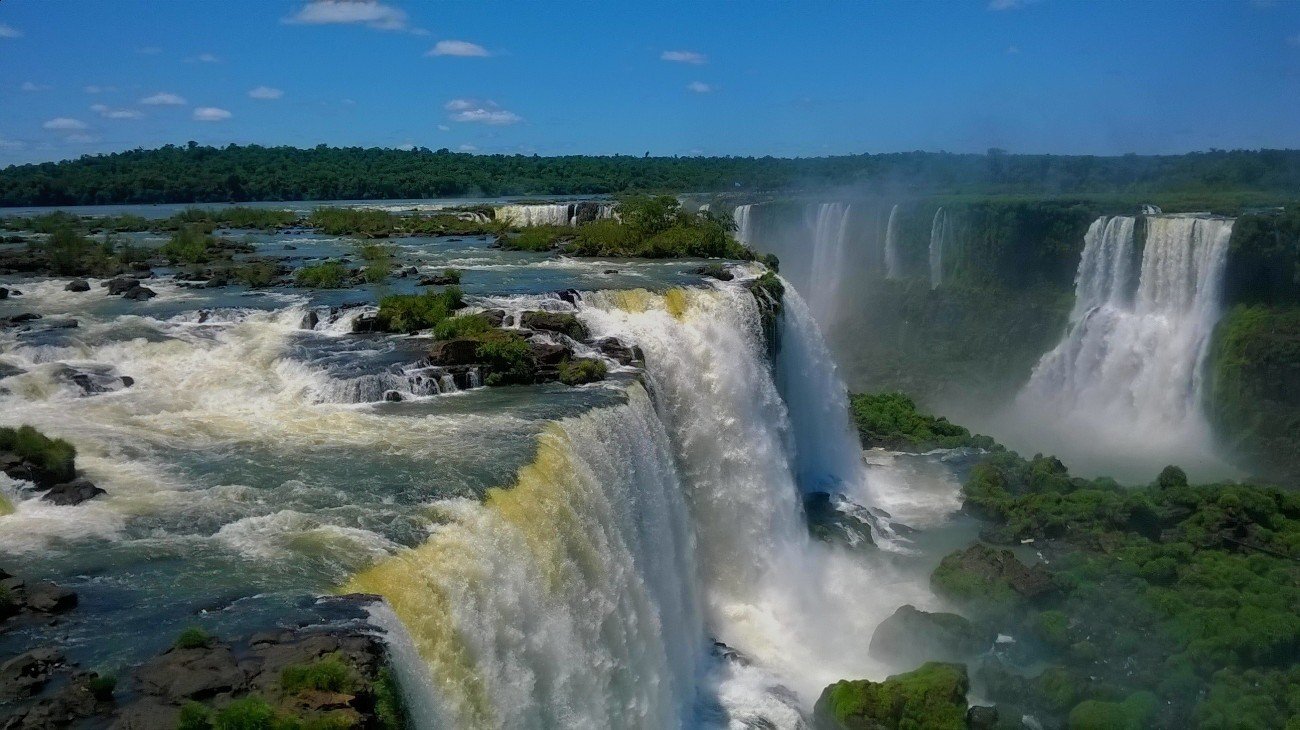
Its greatest sight is at its western edge: Iguaçu Falls, reached from Foz do Iguaçu, the most spectacular waterfalls on the continent. From Curitiba, the train down the Serra do Mar to Morretes is one of the great rail journeys in Brazil, with Paranaguá and the car-free Ilha do Mel at the bottom.
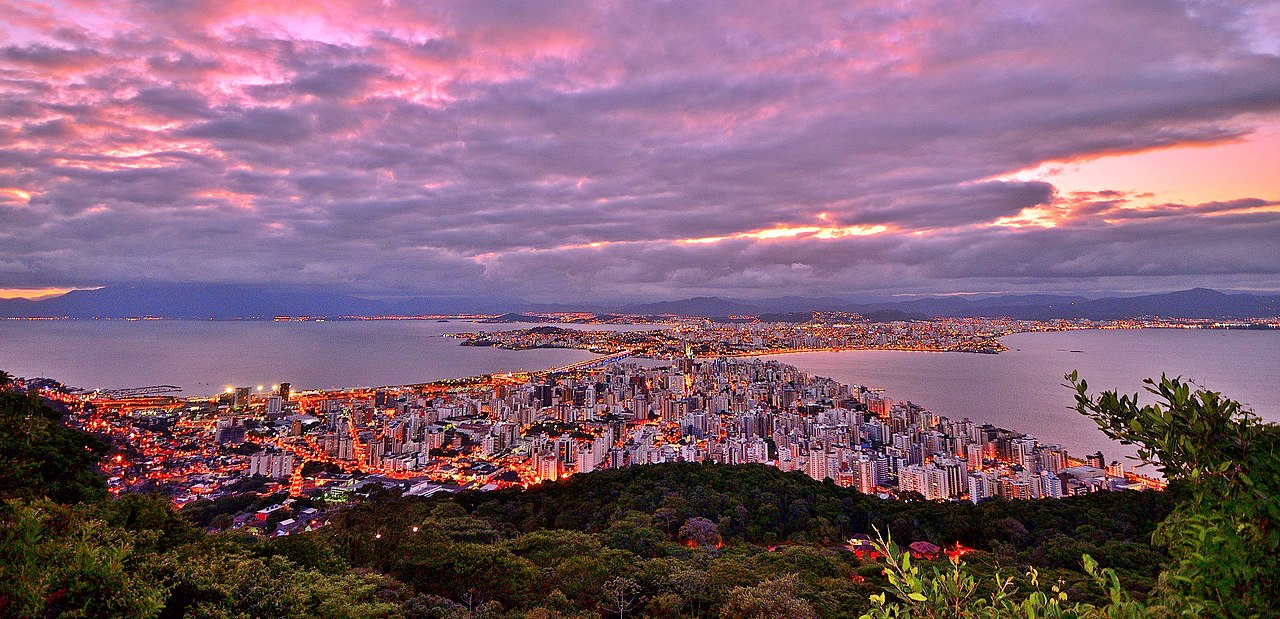
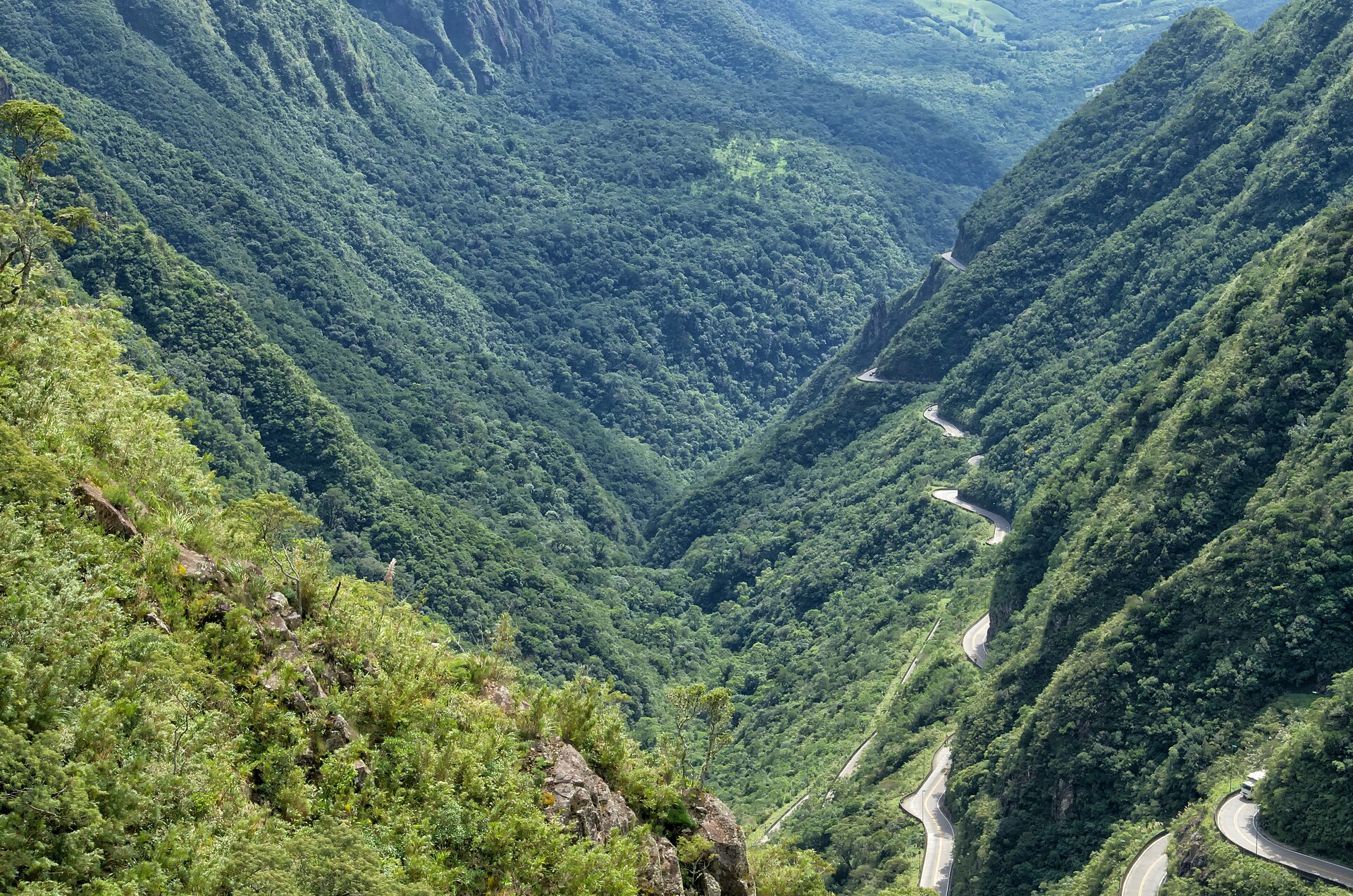
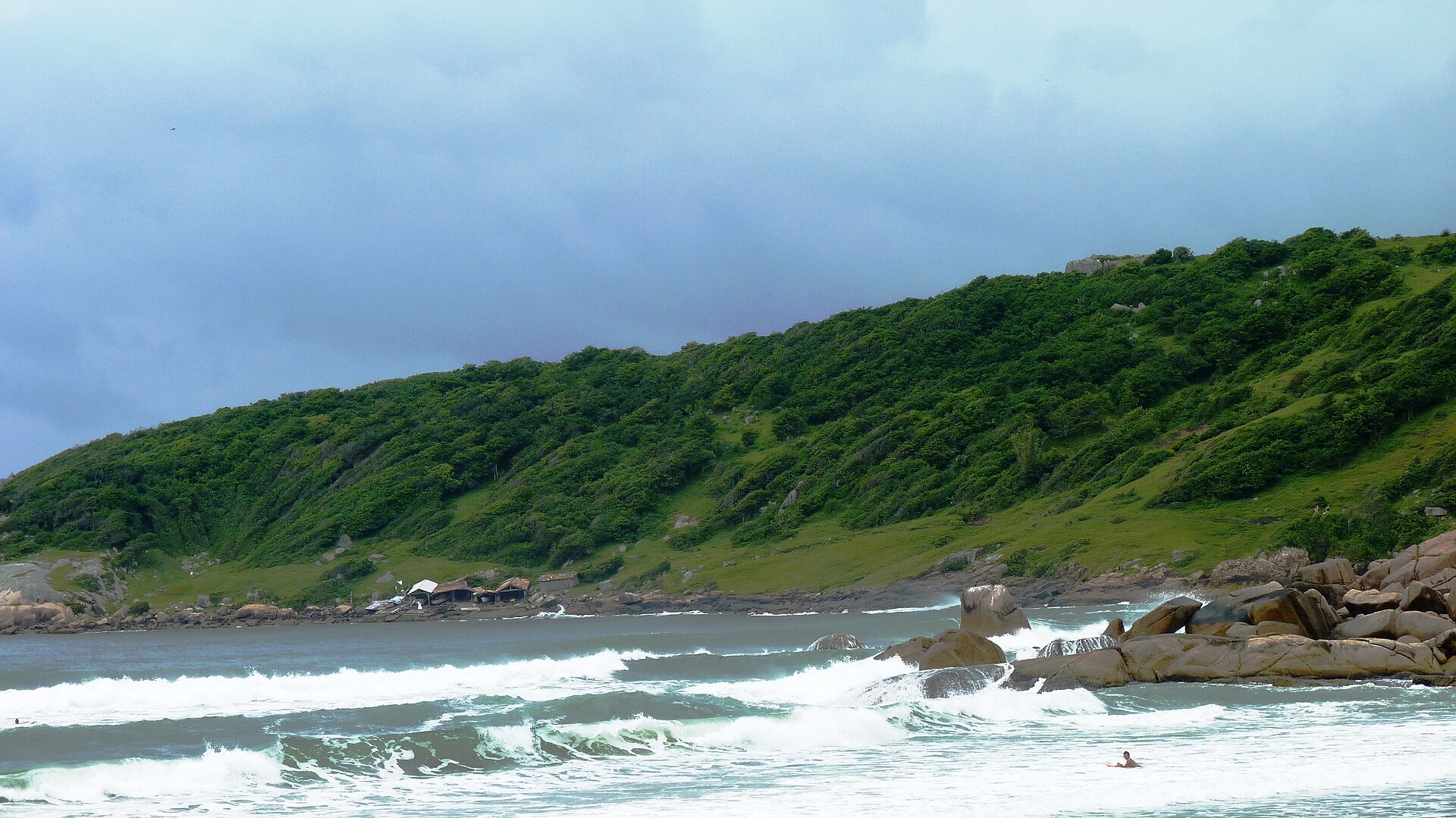
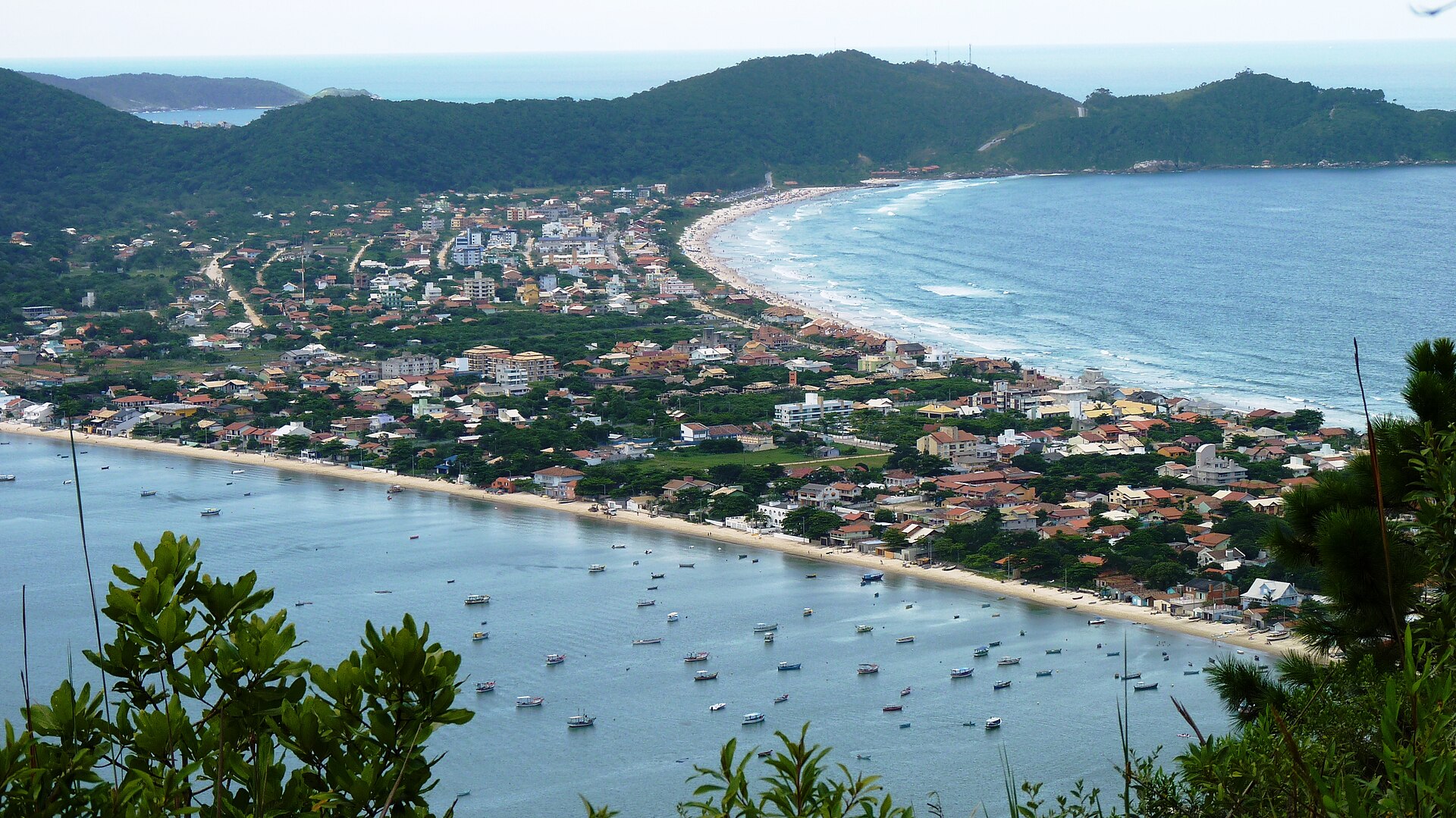
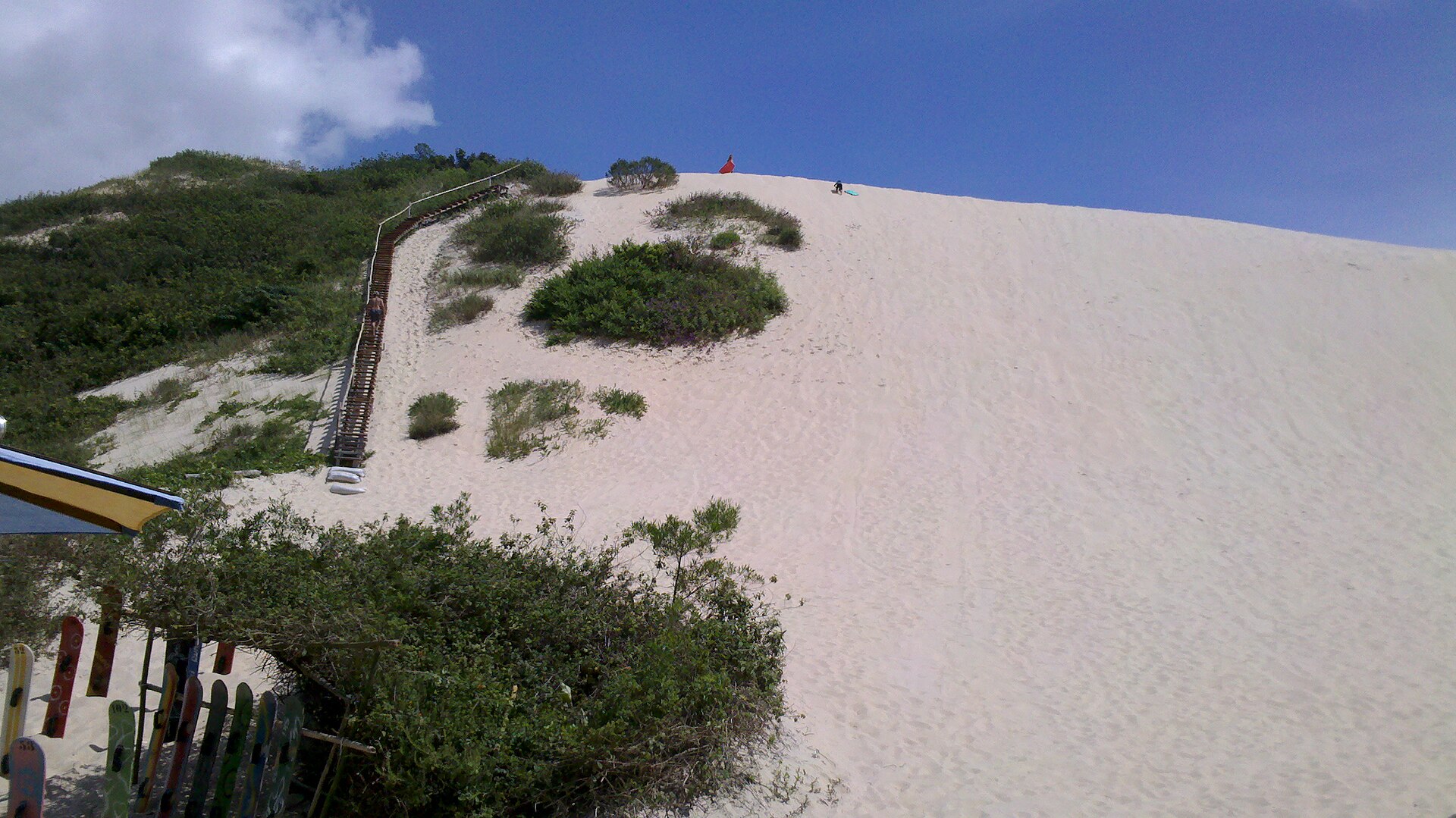
Santa Catarina has the south's best coast: the island of Florianópolis, with more than forty beaches, and to its south the surf and whale bays of Garopaba and Praia do Rosa. Inland, German towns such as Blumenau and Pomerode keep half-timbered houses and an Oktoberfest, and the highland road of the Serra do Rio do Rastro climbs to cold Urubici and São Joaquim.
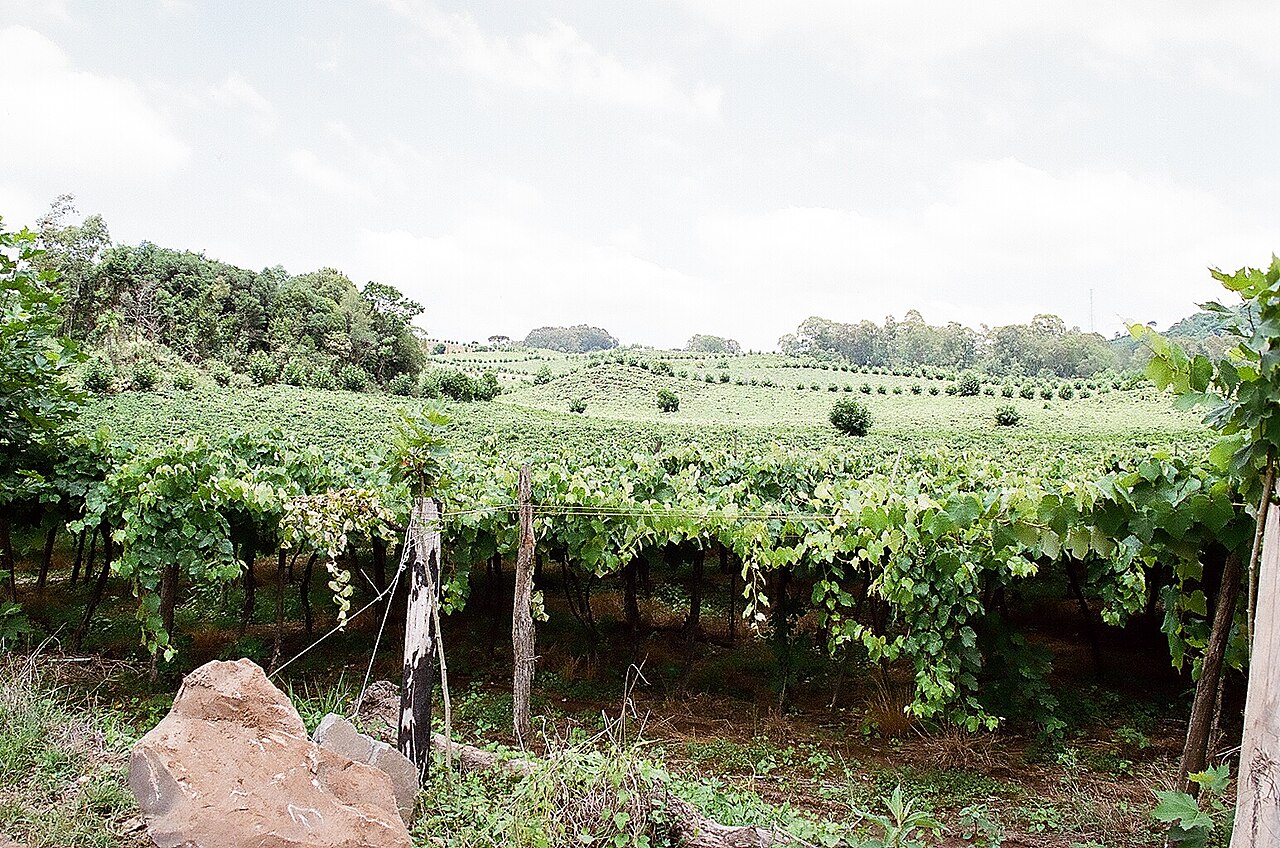
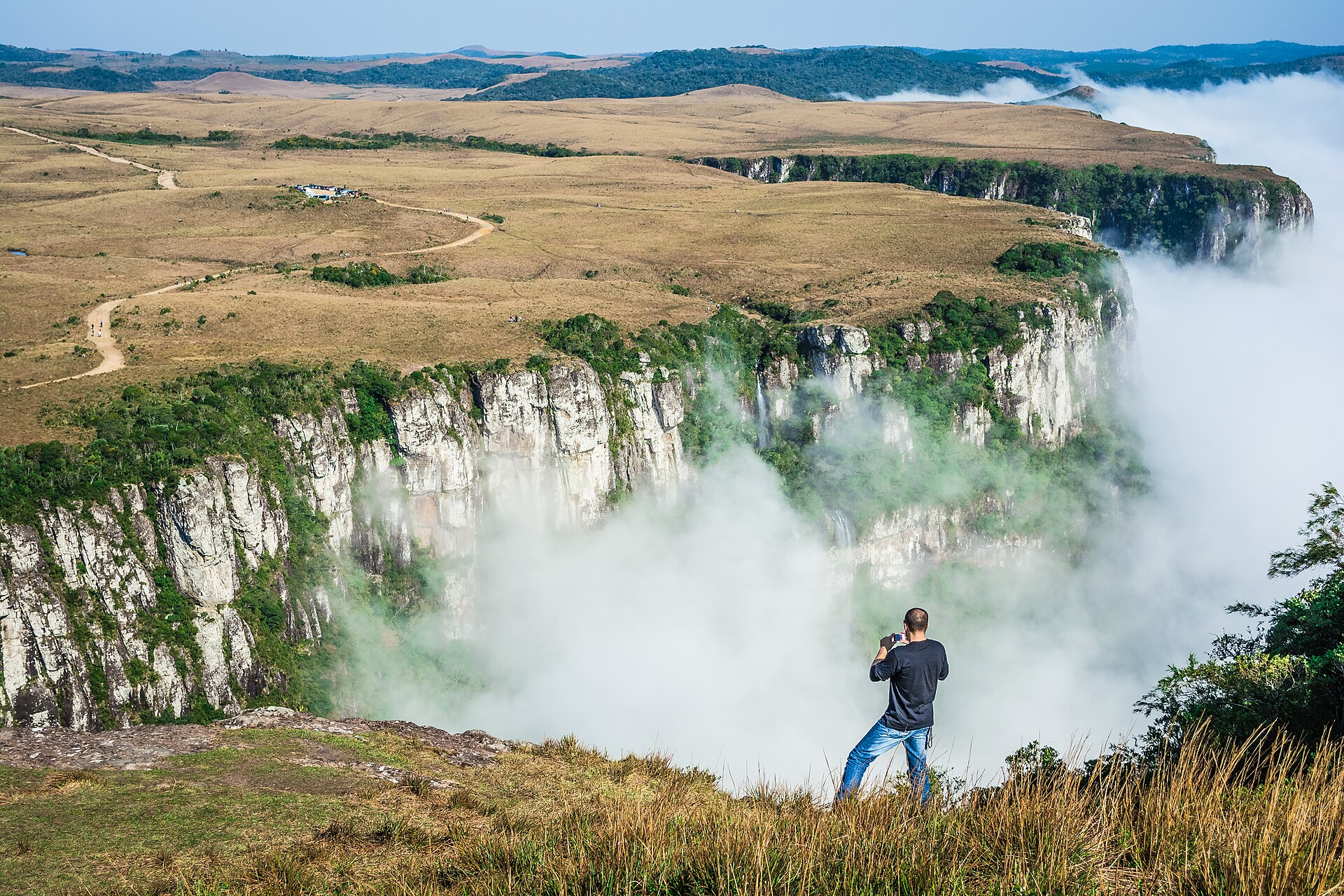
In Rio Grande do Sul, the canyons of Aparados da Serra, reached from Cambará do Sul, drop hundreds of metres off the plateau, and the Serra Gaúcha around Gramado, Bento Gonçalves and the Vale dos Vinhedos is Brazil's wine country. In the far west, the Jesuit mission ruins of São Miguel das Missões and the gaúcho ranching culture of the pampas continue into Uruguay and Argentina.
Summer, December to March, is the beach season; winter, June to August, is cold enough for fondue in Gramado and frost on the canyon rims.