Porto Alegre is the capital of Rio Grande do Sul, Brazil's southernmost state, and the largest city in the Brazilian gaúcho country — the cattle-ranching pampas culture that straddles the border with Uruguay and Argentina. With a metropolitan population of around 4 million, it is Brazil's sixth-largest urban area, and probably the most European-feeling of its big cities. Large waves of German and Italian immigrants settled in Rio Grande do Sul in the 19th century, and their descendants still dominate the food, the architecture, and the particularly strong local tradition of drinking chimarrão (the bitter green maté tea you will see people carrying in thermoses and passing around at every bus stop) and eating grilled meat.
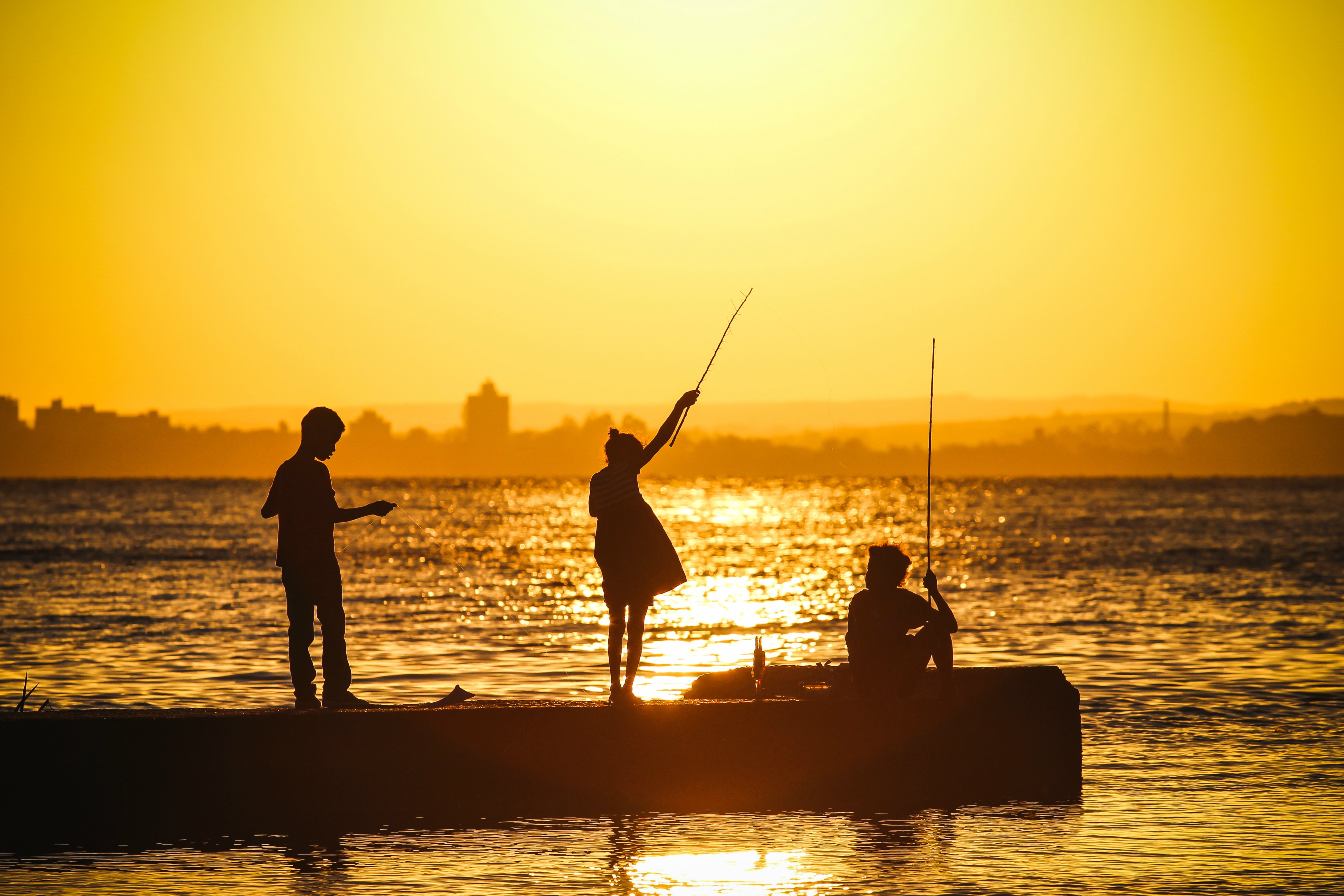
The city is built on the east bank of the vast Rio Guaíba — strictly a lake rather than a river, formed by the confluence of five waterways — and the sunsets over its water are considered the best in Brazil; the whole city gathers along the riverside walks in the late afternoon to watch them. The compact colonial centre, Centro Histórico, holds the grand 19th-century Mercado Público, the Metropolitan Cathedral, the Palácio Piratini (the state governor's palace), and the pleasant Praça da Matriz surrounded by the old colonial buildings. The Museu de Arte do Rio Grande do Sul (MARGS) has the best regional art collection in the south. Parque Farroupilha (always called Redenção by locals) is the city's central green space, and its Sunday morning Brique da Redenção craft and antiques market is the main gathering of the week. A little further out, Parque Moinhos de Vento and the surrounding Moinhos de Vento district are the most pleasant upper-middle-class neighbourhoods — think cafés, boutiques, and tree-lined streets.
For many travellers, though, Porto Alegre is mainly a base for exploring the surrounding countryside. The Serra Gaúcha — the vineyards, German and Italian colonial towns and mountain landscapes around Gramado and Canela — is a few hours north. The missões region on the Argentine border contains the ruins of the great 17th- and 18th-century Jesuit missions (São Miguel das Missões is UNESCO-listed). And the gaúcho cattle ranches of the interior can be visited on working estância stays. Do not leave the city without eating at a traditional churrascaria — the all-you-can-eat grilled meat restaurant that was invented in Rio Grande do Sul.