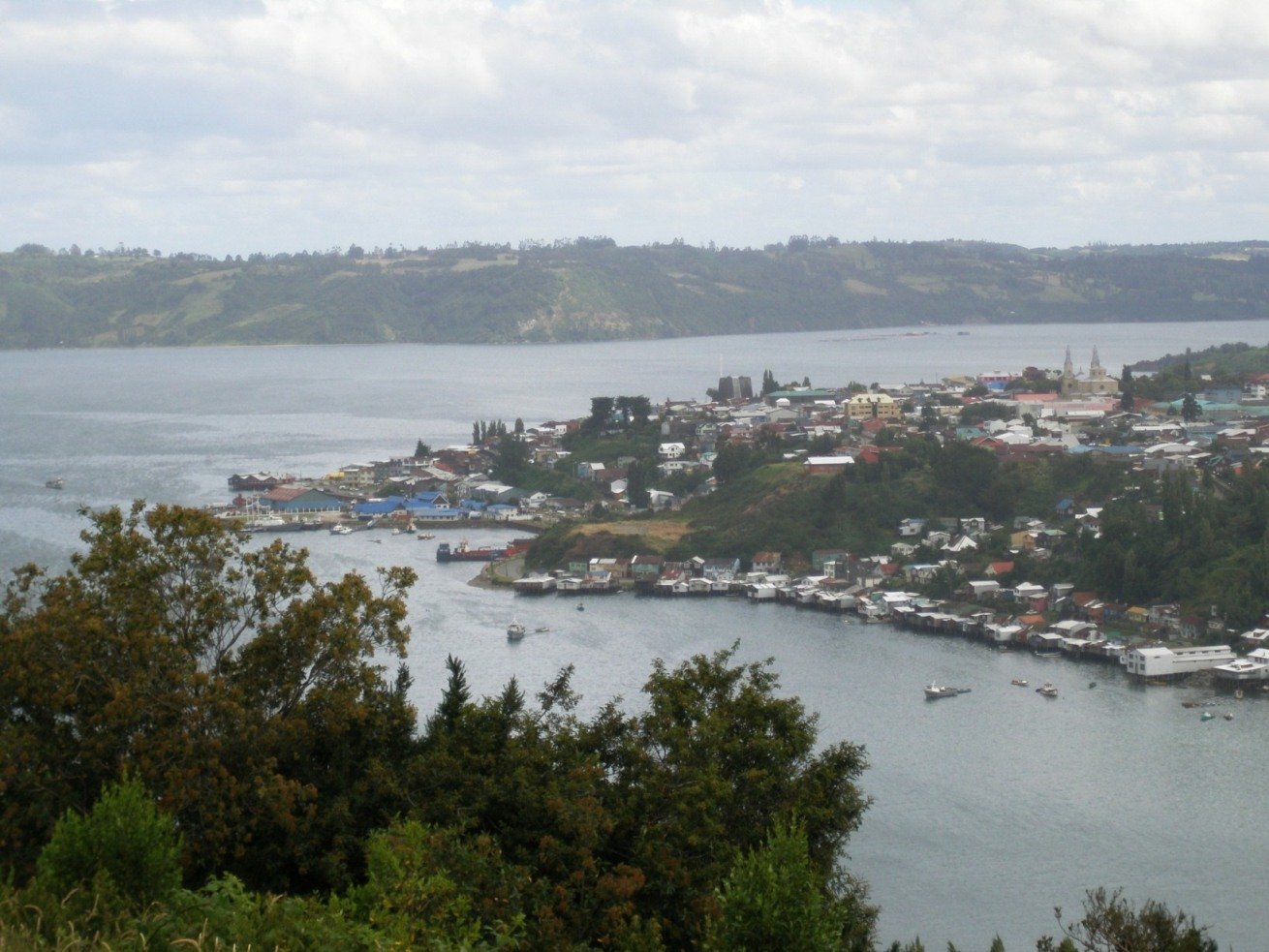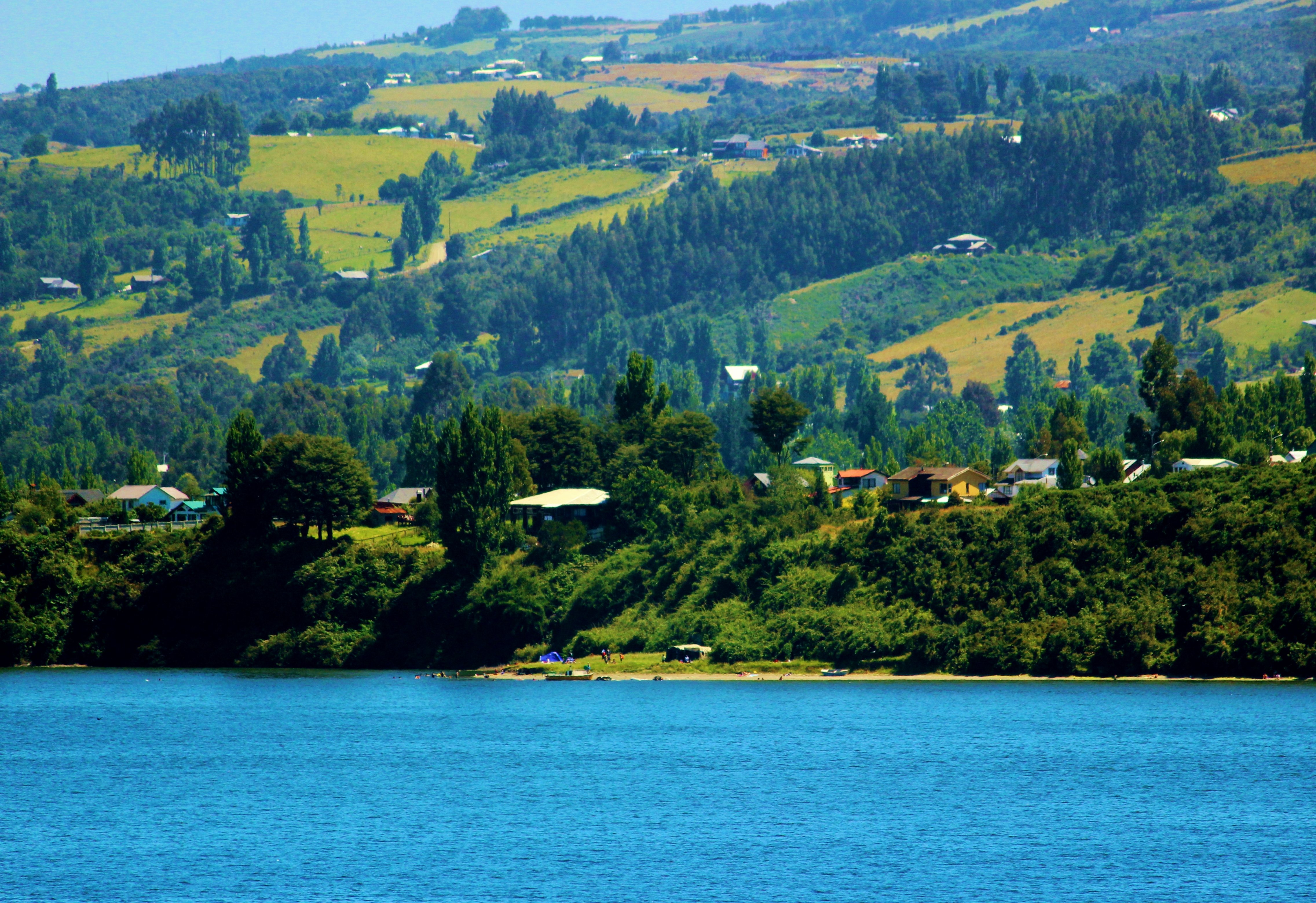
The Chiloé Archipelago is a world that barely connects to the rest of Chile. The main island, Isla Grande de Chiloé, is the second-largest island in South America after Tierra del Fuego, a 190-km-long landmass of green hills, small farms, fishing villages, and wooden churches that could be mistaken for a damp corner of northern Europe if it weren't for the Pacific light and the occasional glimpse of the Andes. The archipelago extends south from Puerto Montt and is reached by the short Chacao ferry crossing.
Chiloé is known above all for its remarkable wooden churches, of which 16 are UNESCO World Heritage Sites. Built by Jesuit missionaries and later Franciscan priests from the 17th century onward using only local timber and traditional carpentry techniques — no nails — the churches are unlike anything else in South America. The most striking is the Church of San Francisco in Castro, the archipelago's capital, with its extraordinary facade painted in yellow and lilac. Others are scattered through farming villages that see few foreign visitors.
Castro, the capital, is also famous for its palafitos — brightly painted wooden houses built on stilts over the water, their reflections shimmering in the fjord at high tide. They are visually extraordinary and authentically working-class: fishing families have lived in them for generations. The town's market sells the islands' distinctive produce: potatoes (Chiloé has over 400 native potato varieties), smoked shellfish, and curanto, the traditional feast of shellfish, potatoes, and meat cooked in a pit.
The character of Chiloé is shaped by its mythology as much as its geography. The islands have a rich tradition of supernatural creatures: the Trauco (a deformed forest spirit who seduces women), the Basilisco (a reptile-bird hybrid), and the Invunche (a deformed guardian of sorcerers' caves). This mythology is taken seriously enough by locals that it still influences daily life. Chiloé's isolation — historically the last place in South America to be incorporated into Chile, not fully until 1826 — bred a culture that is proud of its distinctiveness.