Southwestern Burkina Faso town in Lobi country, known for soukala compounds and the Musée de Poni.
Gaoua is the capital of Poni Province in the far southwest of Burkina Faso, about 430 km from Ouagadougou and close to the borders with Ghana and Côte d'Ivoire. Most travellers who make the effort to get here come for one reason: the Musée de Poni, one of the best ethnographic museums in West Africa. It is absolutely worth the journey.
The town sits in Lobi country. The Lobi are one of the least assimilated peoples in Burkina Faso — historically resistant to outside authority, they still live in their traditional fortified mud compounds (called soukala), which look like nothing else in the region. The museum makes those compounds accessible and understandable to visitors. With a guide and a day to spare, the surrounding villages reward direct exploration.
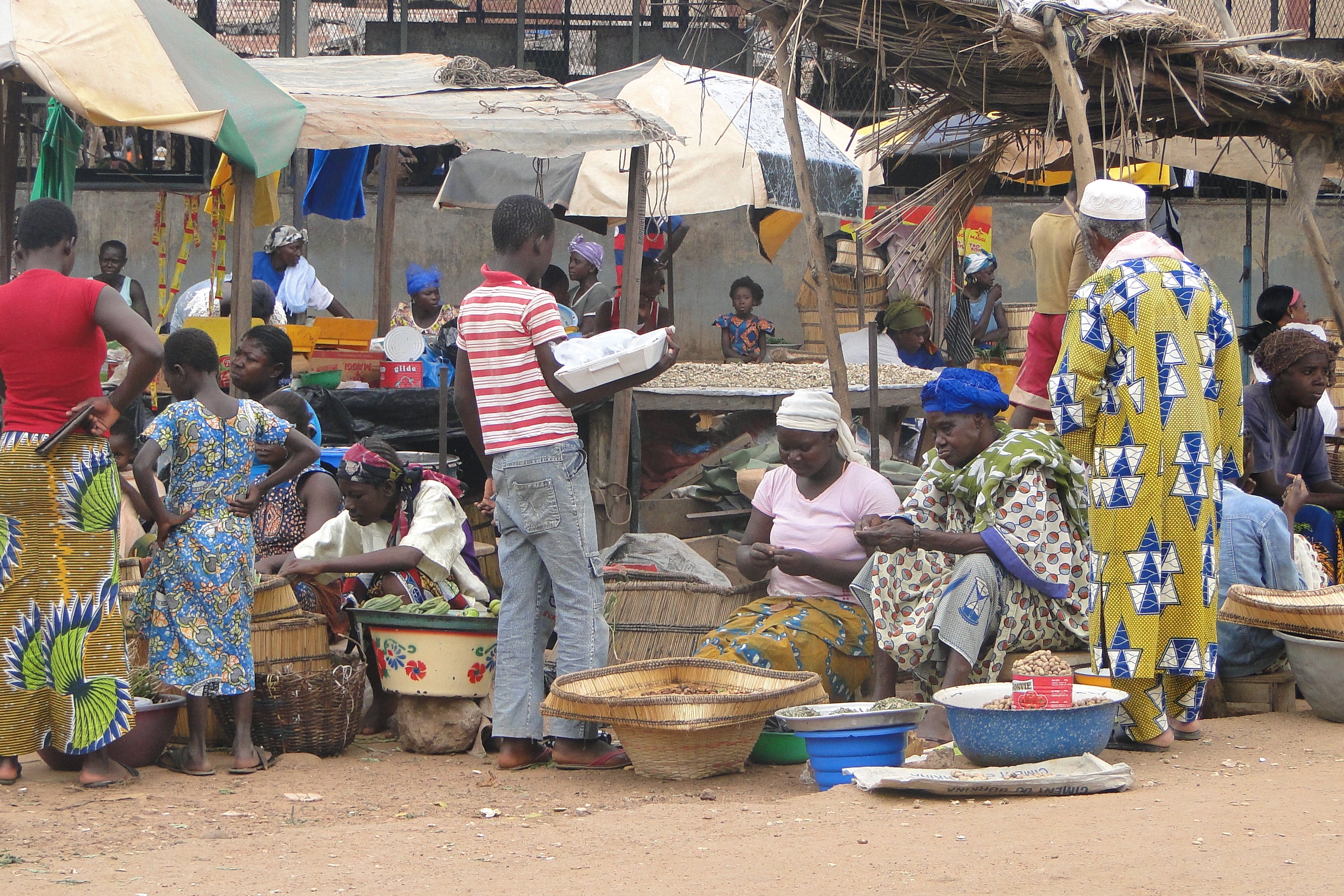
Gaoua itself is a small, quiet town with a market and the usual amenities for a provincial capital. The other reason to come this far is the Loropéni Ruins, an hour west — Burkina Faso's only UNESCO World Heritage Site and the largest medieval stone enclosure in this part of West Africa. The museum, a guided village visit, and Loropéni together easily justify two or three days in the area.
Guide
Getting There
Gaoua is 430 km from Ouagadougou and 240 km south of Bobo-Dioulasso, which is the more practical starting point. The road from Bobo via Pa and Diébougou is largely paved and takes about six hours by car or shared taxi. The bus service from Bobo runs daily — TCV or Rakieta — and gets in late afternoon if it leaves early.
Gaoua has a small airport (XGA) but commercial flights are sporadic. Bring cash: ATMs in Gaoua are unreliable and the closest dependable ones are in Bobo. The drive is rougher in the rainy season (June to September) when stretches can flood. Border crossings to Ghana via the Hamile-Wa road are nearby and reasonably straightforward by 4x4.
Guide
When to Go
The best time to visit Gaoua is November to February — the cool dry season, when temperatures are pleasant during the day and the roads to outlying Lobi villages are firm. December and January are the most comfortable months.
March to May is brutally hot, with highs of 40°C and Harmattan dust from the Sahel filling the air. The rainy season (June to September) cools things down but turns the dirt tracks into mud and makes village visits much harder. October is a transitional shoulder month when the landscape is briefly green and the millet harvest is in. Check the security situation for southwest Burkina Faso before you go — the region is generally calmer than the north but conditions change.