They call Cameroon "Africa in miniature" and it is not marketing fluff. This is one country where you genuinely move through the entire continent's landscapes in a few days of travel: from the Sahel savannah in the north to the dense equatorial rainforest in the south, from volcanic peaks along the coast to the cool green highlands of the west. Add roughly 250 ethnic groups, two colonial languages (French and English), and a food culture that ranks among the best on the continent, and you start to understand why travelers who make it here tend to stay longer than planned.
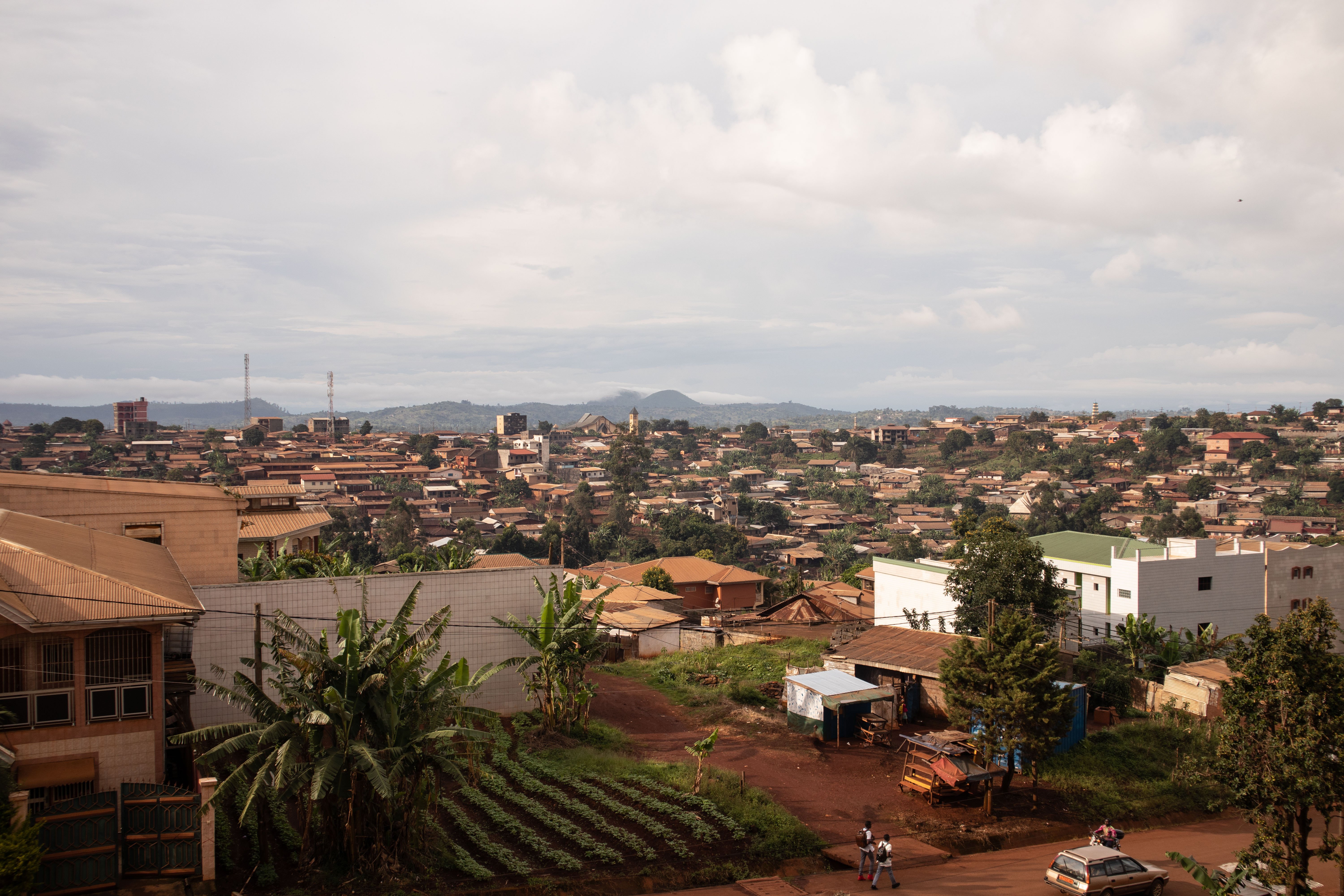
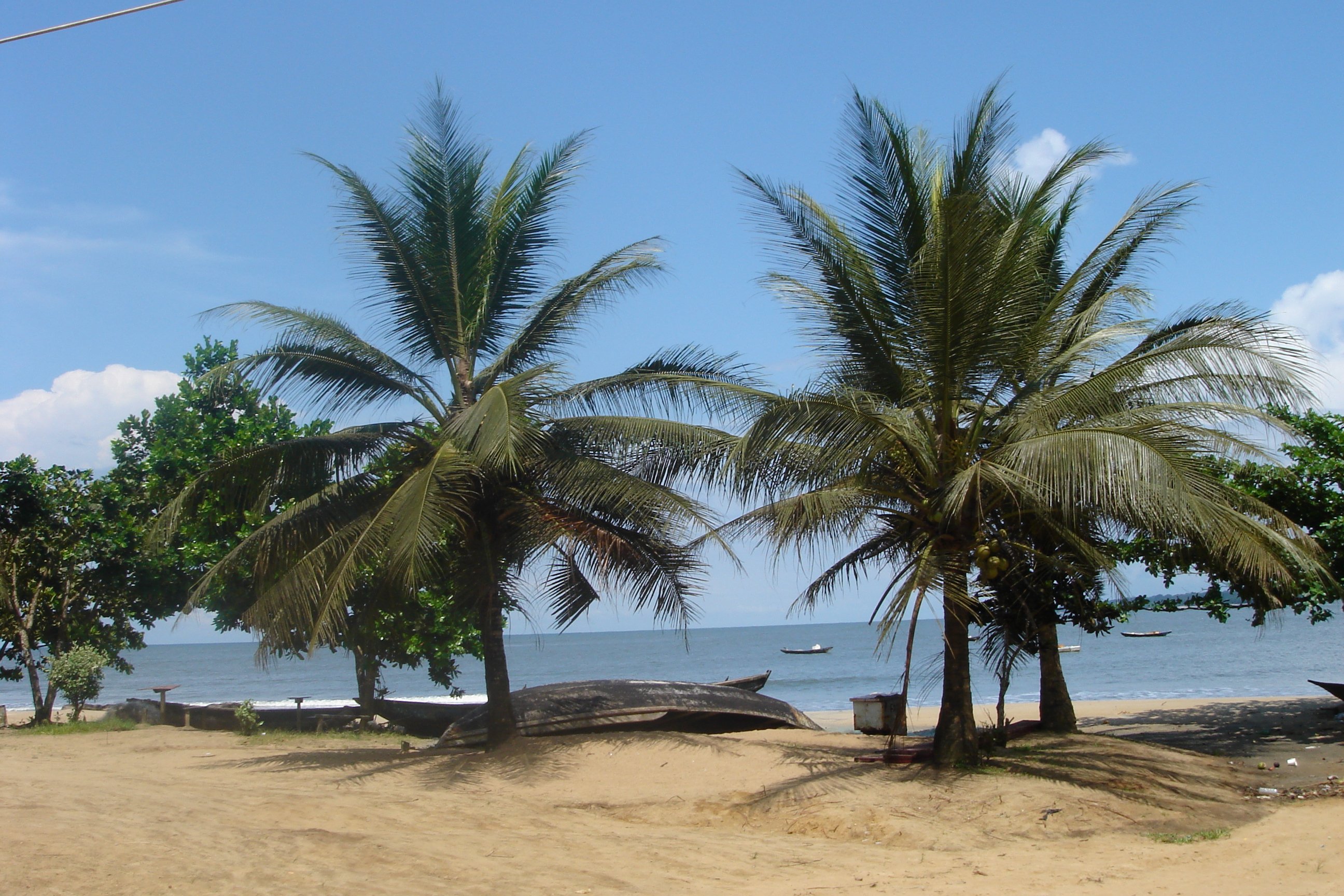
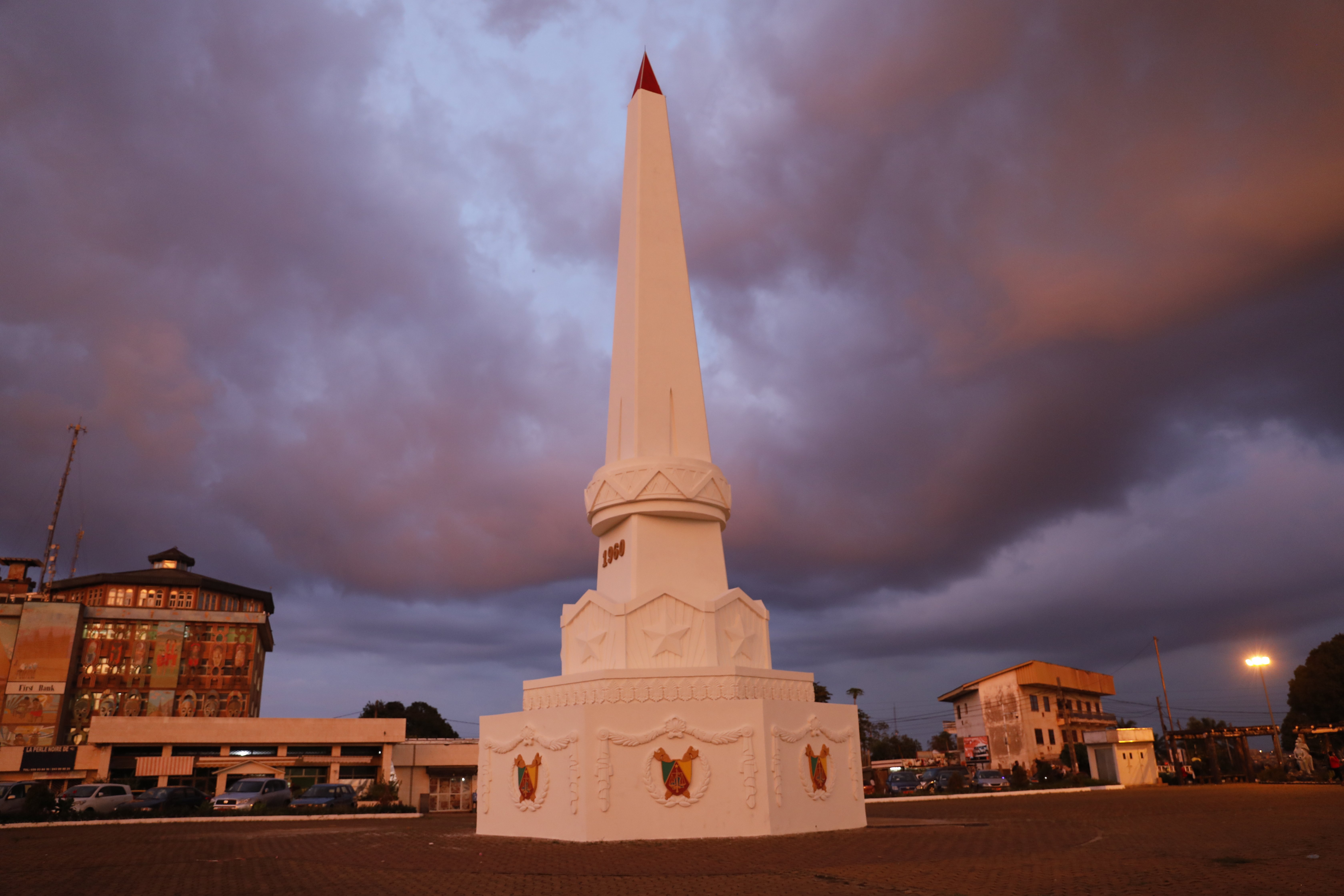
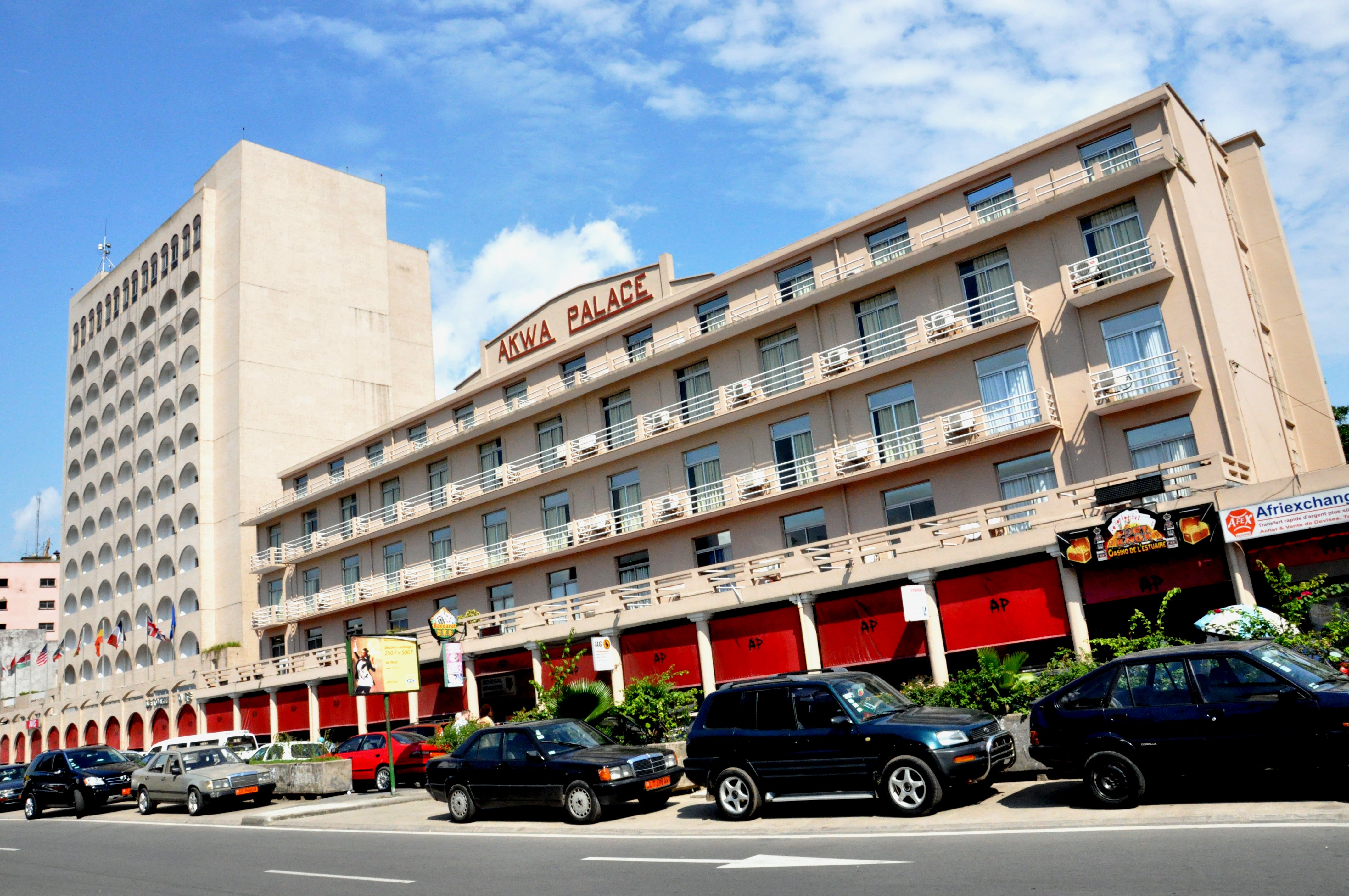
The south is anchored by Douala, the chaotic economic capital and main port of entry, and Yaound, the more orderly political capital set among rolling hills. Neither city will win beauty prizes, but both have energy, good food, and enough to hold your attention for a day or two. The coast west of Douala leads to Limbe, a small town backed by the massive bulk of Mount Cameroon, with black-sand beaches and a decent wildlife center. Further south, Kribi offers the country's best white-sand beaches, with the surreal bonus of a waterfall crashing directly into the sea.
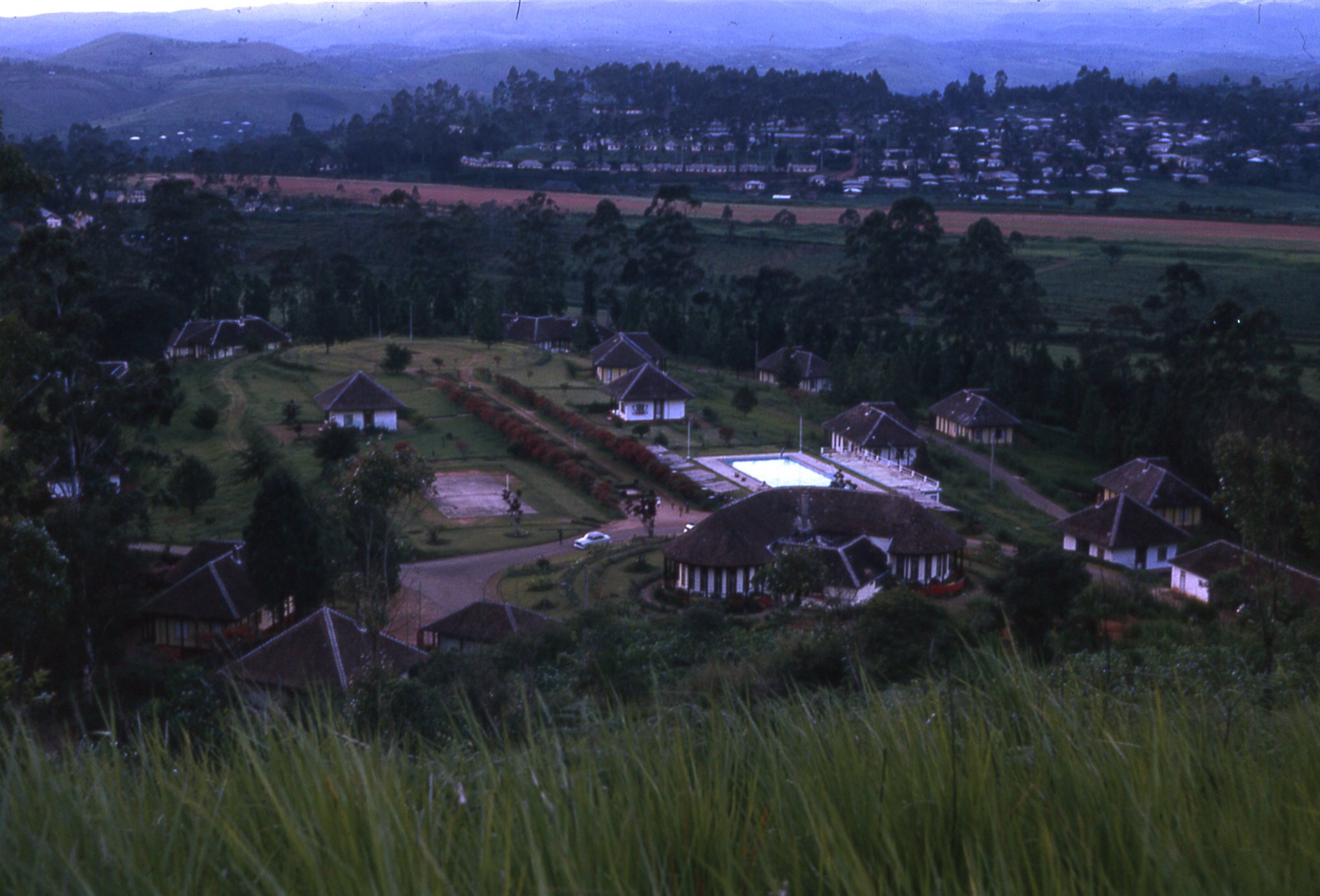
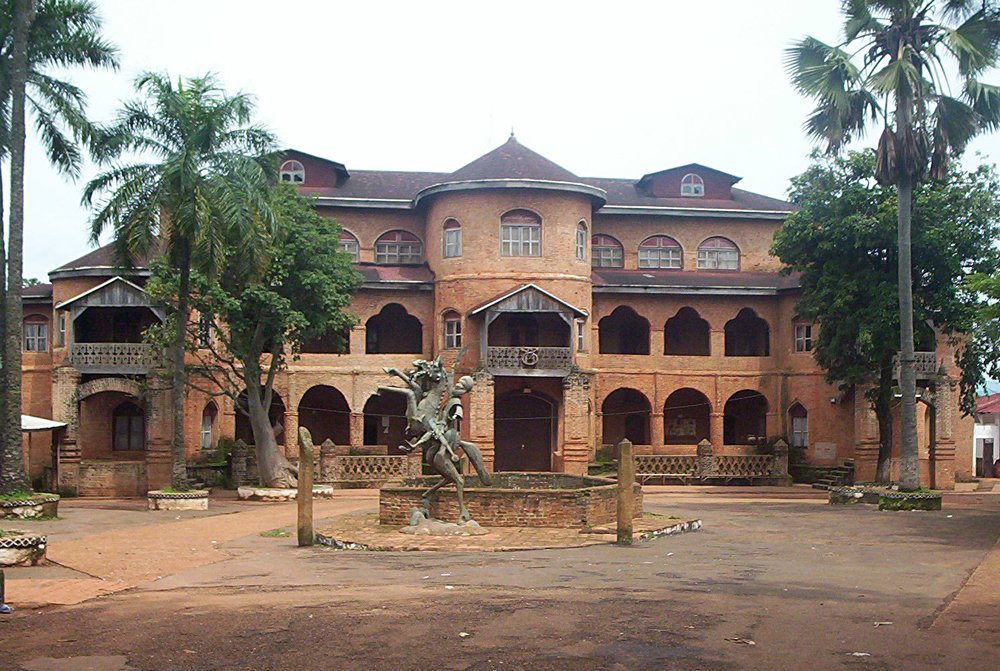
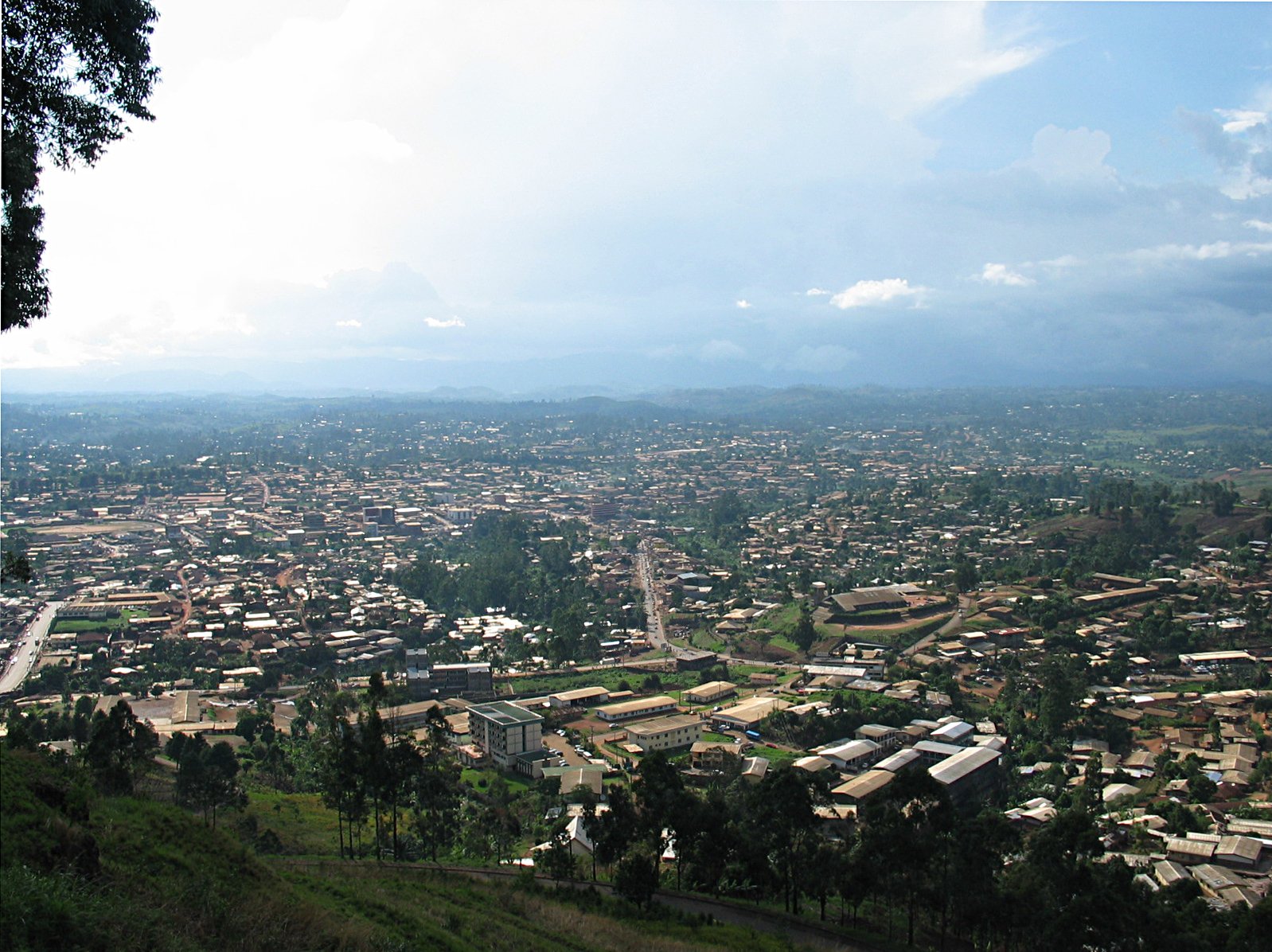
The western highlands are where Cameroon gets quietly spectacular. Bamenda is the gateway to the Ring Road, a rough loop through the grassfields past traditional fon palaces, crater lakes, and village markets that see almost no tourists. Foumban is Cameroon's cultural jewel, home to the Bamoun people and a Sultan's palace that has been the seat of power for over six centuries. The artisan quarter here is one of the most remarkable craft centers in West Africa.
The north is another country entirely. The landscape dries out into Sahel scrubland, the population is predominantly Muslim, and the architecture shifts to mud-brick compounds. Waza National Park, when accessible, is one of West Africa's best wildlife reserves, with elephants, giraffes, and lions. Rhumsiki, near the Nigerian border, sits among volcanic plugs that look like something from another planet.
Cameroon is not an easy country to travel in. Roads outside the main highways can be brutal, bureaucratic hassles are common, and the Anglophone crisis has made parts of the northwest and southwest regions unpredictable. Check conditions before heading to the English-speaking west. But for travelers willing to deal with the rough edges, Cameroon rewards with a depth and variety that few African countries can match.