Douala is Cameroon's largest city and its economic capital — a sprawling, humid, noisy port of around 4 million people on the Wouri River, 24 km upstream from the Atlantic. It is not the political capital (that is Yaoundé, inland) and it is not a pretty city: sometimes jokingly called the "Armpit of Africa" by its own residents for its relentless equatorial sweat, it has little in the way of monuments and is mostly a place travellers arrive at and leave. The port handles around 95% of Cameroon's maritime trade, and it is the terminus of the main railway lines into the interior; for most visitors, Douala is the point of entry into Central Africa, and the last chance for a decent restaurant before heading north.
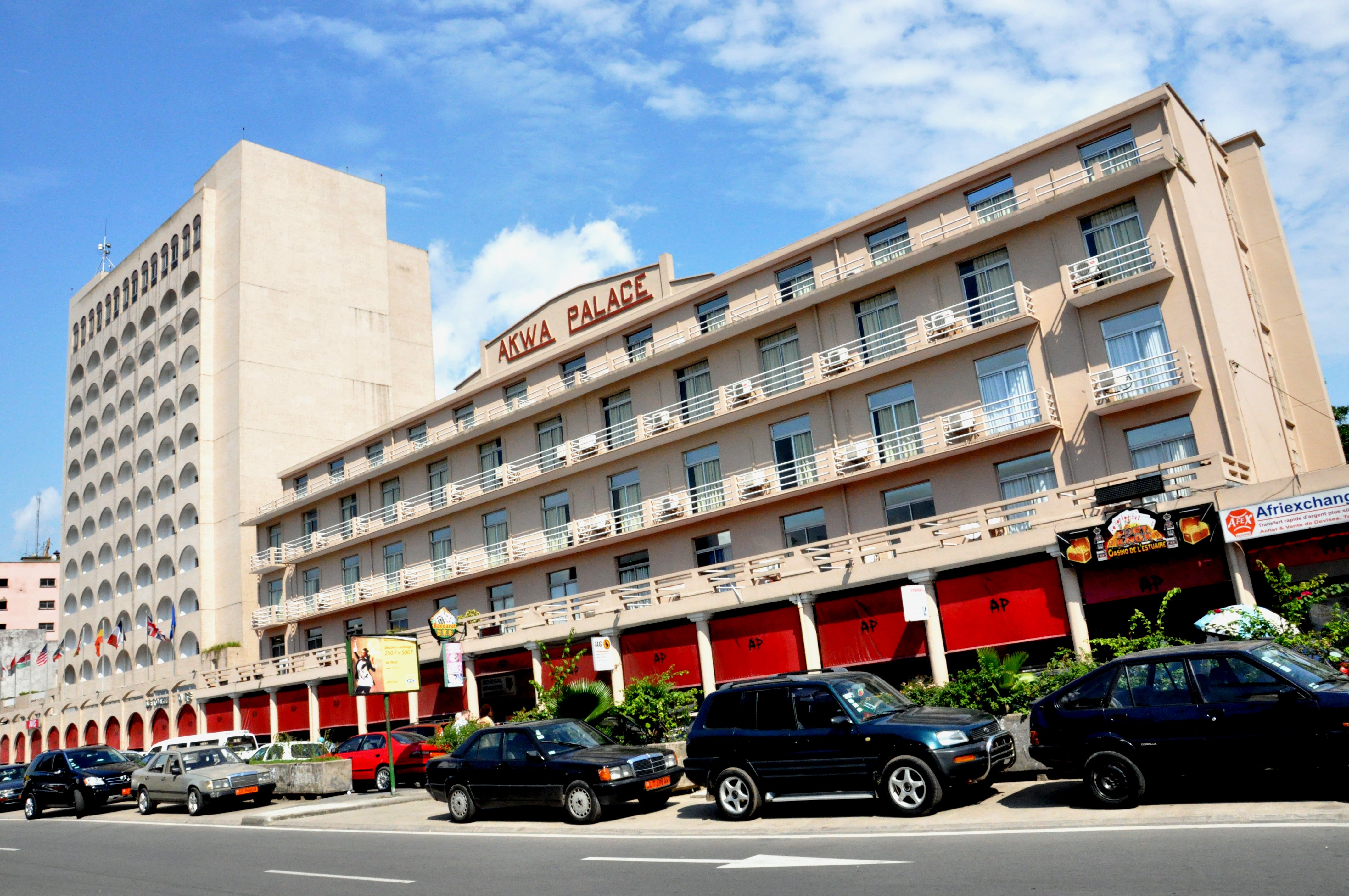
The centre of town is the Akwa district, a grid of colonial-era streets running back from the river. This is where the hotels, restaurants, bars and most of the expatriate community are concentrated. The old Hôtel Akwa Palace on Boulevard de la Liberté has been the city's gathering place since 1947 — sit on its terrace with a coffee for half an hour and you will see much of Douala pass by. Next door, the Musée de Douala inside the Hôtel de Ville has a small but useful collection of Bamoun and Bamileke art from the western highlands. A short walk away, the Place du Gouvernement holds the curious "Chinese Pagoda" built in 1905 by the Duala ruler Rudolf Douala Manga Bell, executed by the German colonial authorities in 1914 on charges of treason — he is still remembered locally as an anti-colonial hero.
Most travellers use Douala as a base for short trips to the coast. Limbe, an hour north-west on black volcanic beaches beneath the enormous bulk of Mount Cameroon (at 4,095 m the highest peak in West Africa), is the obvious first trip. Kribi, three to four hours down the coast by shared taxi, has the best white-sand beaches in the country and the unusual Lobé Waterfalls which tumble directly into the Atlantic. Both are fine overnight trips.