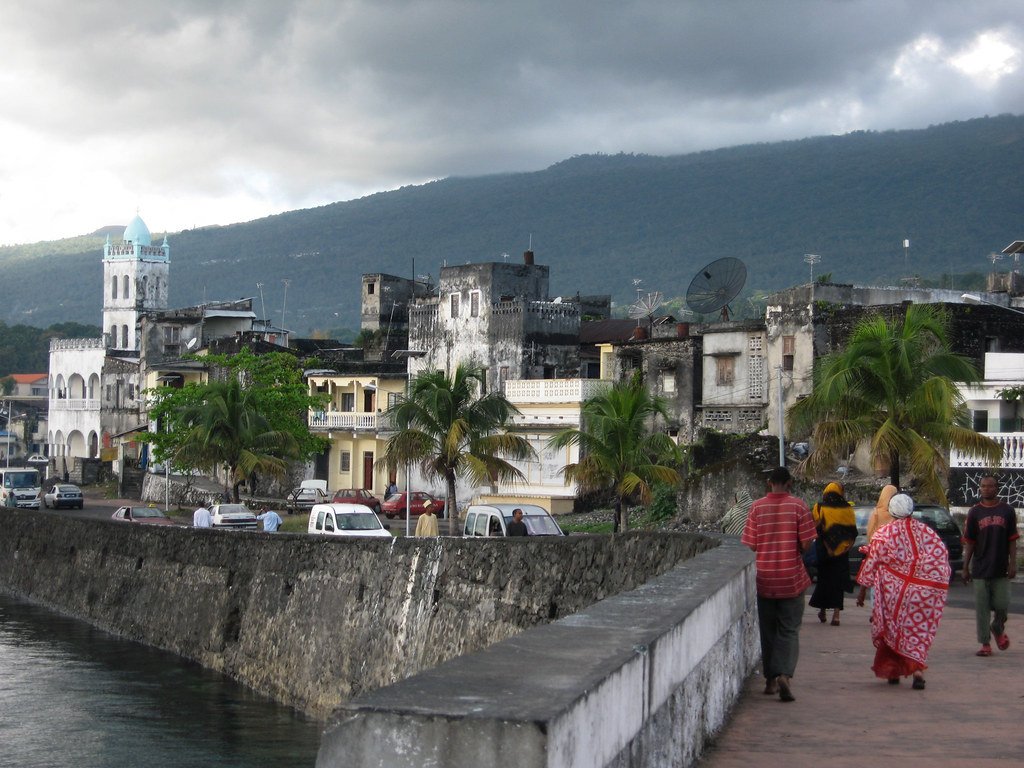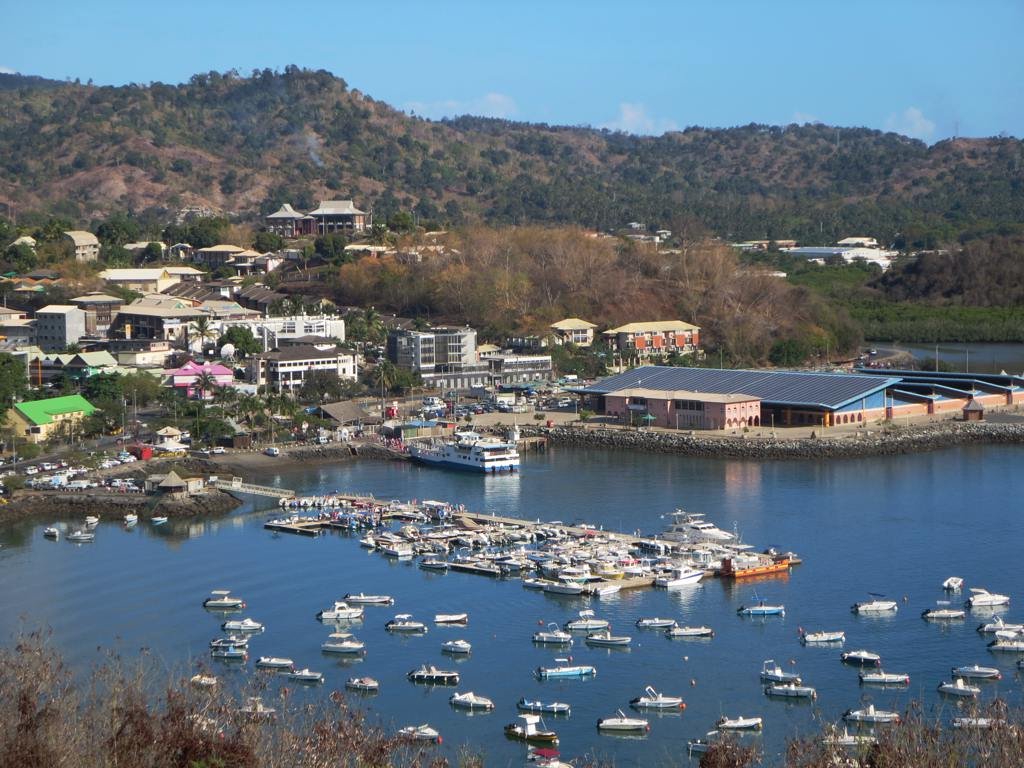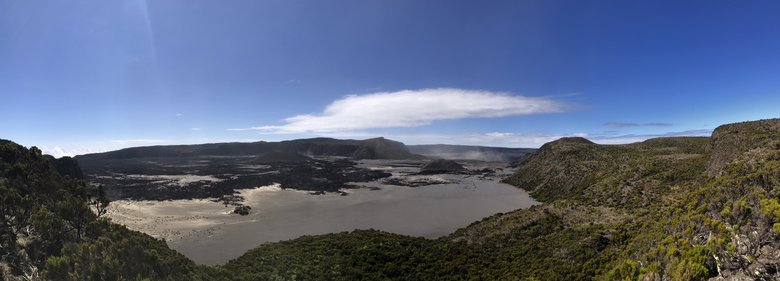
The Comoros islands sit in the Mozambique Channel between Madagascar and the African mainland, and they are one of the least visited countries on earth. That is a shame and also part of the appeal. This is a place where volcanic peaks rise from turquoise water, the air smells of ylang-ylang and cloves, and the culture is a fascinating blend of African, Arab, Malagasy, and French influences that you will not find anywhere else.
The archipelago consists of four main islands. Three of them form the independent Union of the Comoros: Ngazidja (Grande Comore), Mwali (Moheli), and Ndzuwani (Anjouan). The fourth, Mayotte, voted to remain French in 1974 and operates under different rules entirely. Each island has its own character. Ngazidja is the largest and most developed, home to the capital Moroni and the massive active volcano Mount Karthala. Moheli is the smallest and wildest, with a marine park where sea turtles nest and humpback whales pass through. Anjouan is lush and steep, sometimes called the "pearl of the Comoros" for its green hillsides and old perfume plantations.
Comoros is not an easy destination. Infrastructure is basic, flights are limited, inter-island transport is unreliable, and there is very little tourist infrastructure outside of a handful of guesthouses and small hotels. The political situation has been turbulent since independence -- the country has experienced more than twenty coups or attempted coups. But for travelers who are comfortable with uncertainty and willing to go slow, the rewards are real: pristine reefs with almost no other divers, volcanic landscapes you can have to yourself, and a genuine warmth from people who are genuinely surprised and pleased to see visitors.
The islands were historically known as the "perfume islands" for their production of ylang-ylang, vanilla, and cloves. That trade has declined but the plantations remain, and the scent of ylang-ylang distilleries still drifts through the villages. Comorian culture revolves around Islam -- nearly the entire population is Sunni Muslim -- and around elaborate social traditions, particularly the Grand Mariage (anda) ceremony on Ngazidja, a lavish multi-day celebration that can cost a family tens of thousands of euros and determines social standing in the community.