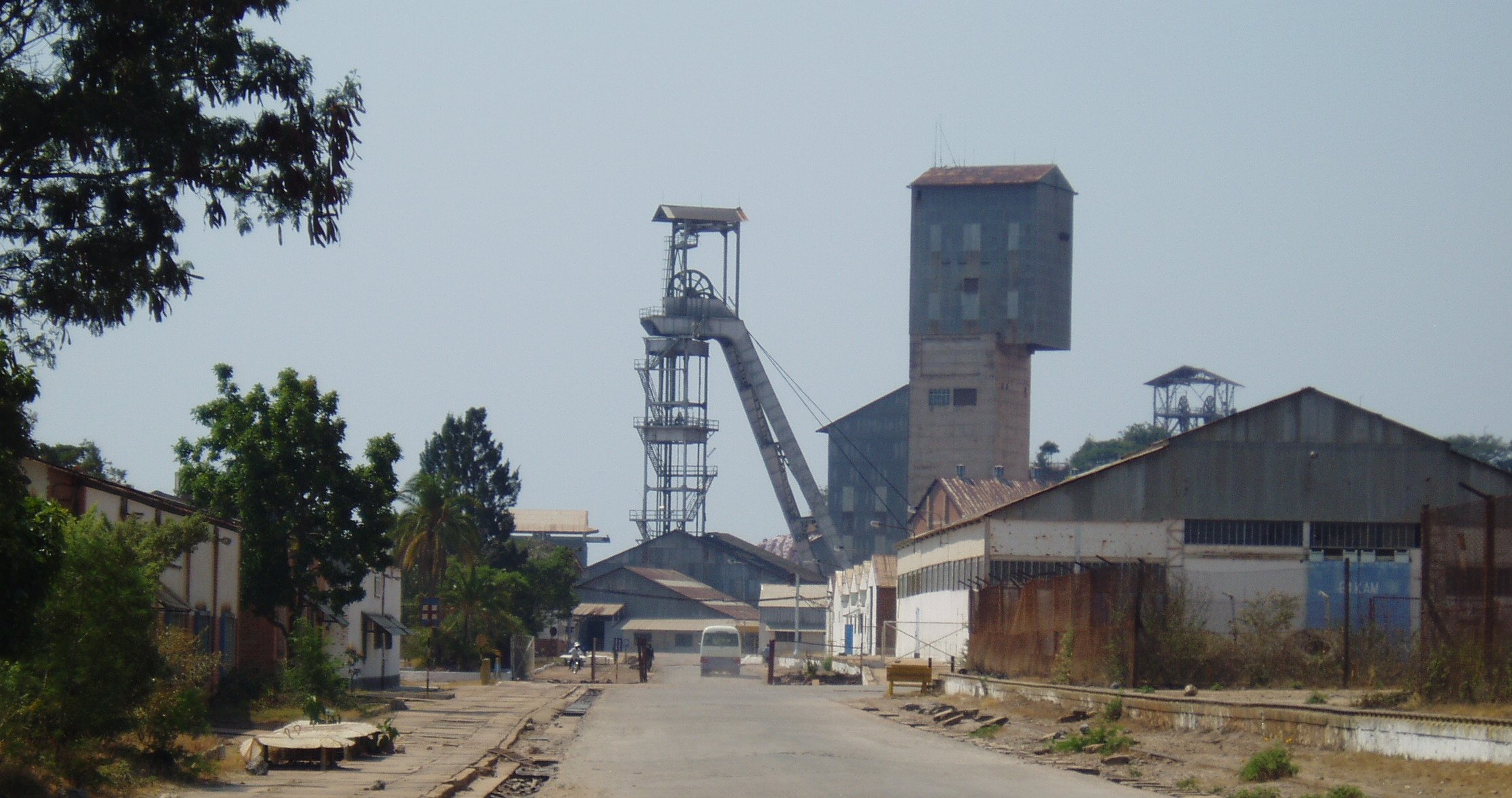
Kolwezi
©
Kolwezi

Kolwezi

Katanga mining city in southern DR Congo, built around major cobalt and copper deposits.

Kolwezi is a mining city of roughly 450,000 in the southern Katanga province of the Democratic Republic of the Congo, and its story is inseparable from what lies beneath its red soil. The city sits on some of the richest cobalt and copper deposits on the planet, and mining — industrial and artisanal — dominates everything here. It is not a tourist destination in any conventional sense, but for those with a reason to be in this part of the DRC, it offers a raw look at one of the world's most strategically important mining regions.

The city itself is functional rather than attractive, with the usual mix of colonial-era infrastructure and newer Chinese-built roads connecting the various mining concessions. Security conditions fluctuate, and you should get current advice before traveling. Infrastructure is basic — there are a handful of guesthouses catering mainly to mining company visitors, and a small commercial airport with connections to Lubumbashi. The surrounding landscape, beyond the mine tailings, is surprisingly green savanna, and Lake Nzilo to the north offers a rare escape from the dust and trucks of the mining zone.

Guide

Getting there

Kolwezi Airport (KWZ) is on the eastern edge of the city and has daily flights to Lubumbashi, the regional capital, and occasional onward services to Kinshasa via Lubumbashi. Most international visitors arrive overland or by air from Lubumbashi, 320 km southeast on the N1 (about 5–6 hours by road in dry season).

The colonial-era railway from Lubumbashi via Likasi is in poor repair and passenger services are infrequent; freight to the mines continues to run. For most visitors, a flight via Lubumbashi or a hired vehicle and driver from Lubumbashi is the practical option. A valid visa for the DRC is required in advance.

Guide

Things to do

Kolwezi is a working mining city and not, by any reasonable measure, a tourist destination. Travellers tend to come here on business — mining concessions, NGO work, mineral supply-chain due diligence — and what there is to see reflects that. The big mines (KOV, Kamoto, Mutanda, Mashamba) ring the city in a near-continuous belt of pits and tailings; the artisanal cobalt diggings further out are a defining and grim part of the global battery economy.

Beyond the mining story, there is the green high country of the Lualaba plateau, the railway and the colonial-era city grid, and Lake Nzilo an hour to the north. The 1978 Battle of Kolwezi, when the French Foreign Legion parachuted in to retake the town from Katangan rebels, is still commemorated locally and is one of the few episodes of post-independence Congo military history with a physical memorial.