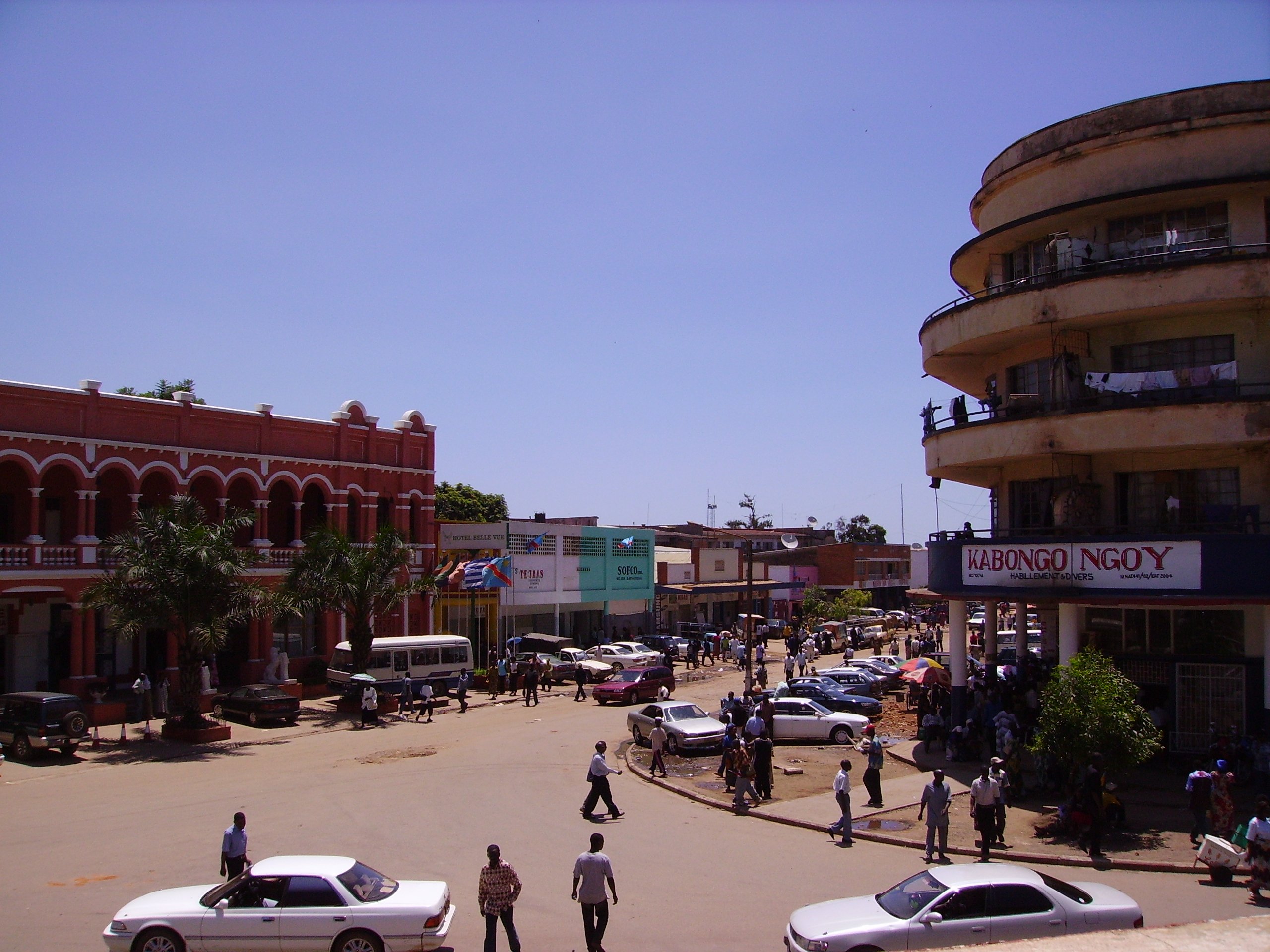
Located some 1,500 km southeast of Kinshasa, Lubumbashi is the DRC's second city and the capital of the copper-rich Katanga region. It sits close to the Zambian border, and in many ways feels closer to southern Africa than to the rest of the Congo. The city is relatively compact, with tree-lined avenues, colonial-era buildings, and a more orderly feel than the capital.
Lubumbashi was built on mining — copper and cobalt made it wealthy in the colonial era, and mining still drives the economy. There are no major tourist attractions, but the city has an appealing atmosphere: red-dirt residential streets, well-kept gardens, and a university campus that brings some cultural life. The National Museum of Lubumbashi holds a significant collection of Katanga traditional art and archaeology. The Cathedral of Saints Peter and Paul, its twin towers rising incongruously above the colonial street grid, is worth a visit. Football fans should note that this is the home of TP Mazembe, Africa's most decorated club side.
The city is a practical base for travelers heading to or from Zambia via the Kasumbalesa border crossing, or flying onward to other parts of the DRC. It has better infrastructure than most Congolese cities, with functioning ATMs, decent restaurants, and a small but usable airport with connections to Kinshasa and Johannesburg. Safety is better than in Kinshasa, though standard precautions apply.