Guinea-Bissau is one of the smallest and least visited countries in West Africa, and that is precisely its appeal. This is a place where the rhythms of daily life have barely been touched by tourism, where cashew trees line red-dirt roads, and where the extraordinary Bijagos archipelago offers some of the most pristine island landscapes on the continent.
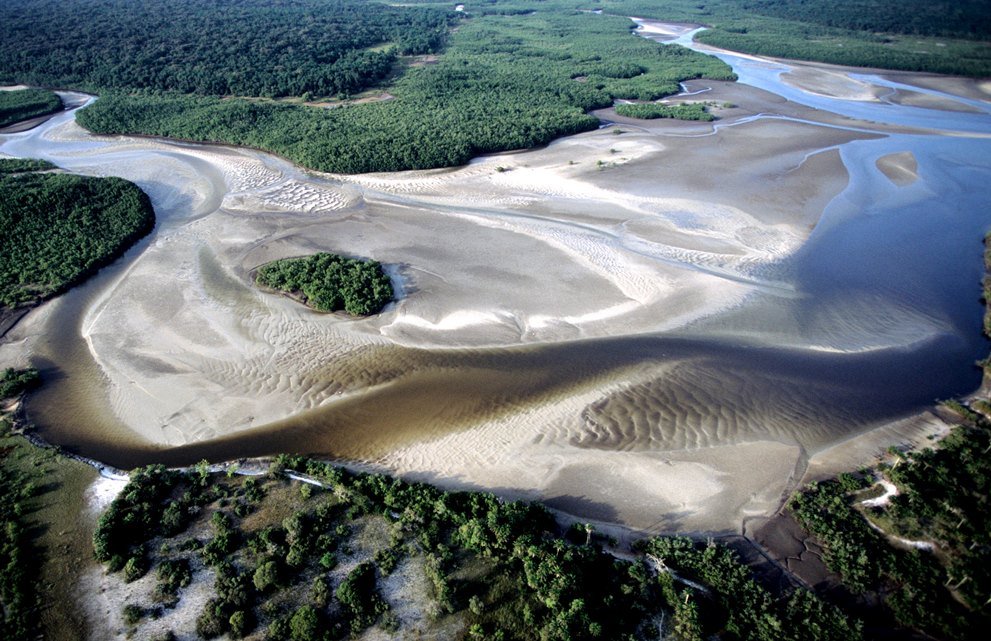
The country sits on the Atlantic coast between Senegal and Guinea (Conakry), a low-lying land of mangrove estuaries, palm forests, and savanna. Its coastline is deeply indented, and just offshore lie the Bijagos Islands, an archipelago of 88 islands where saltwater hippos wade into the ocean and matriarchal societies maintain traditions largely unchanged for centuries. If you come to Guinea-Bissau for one thing, make it the Bijagos.
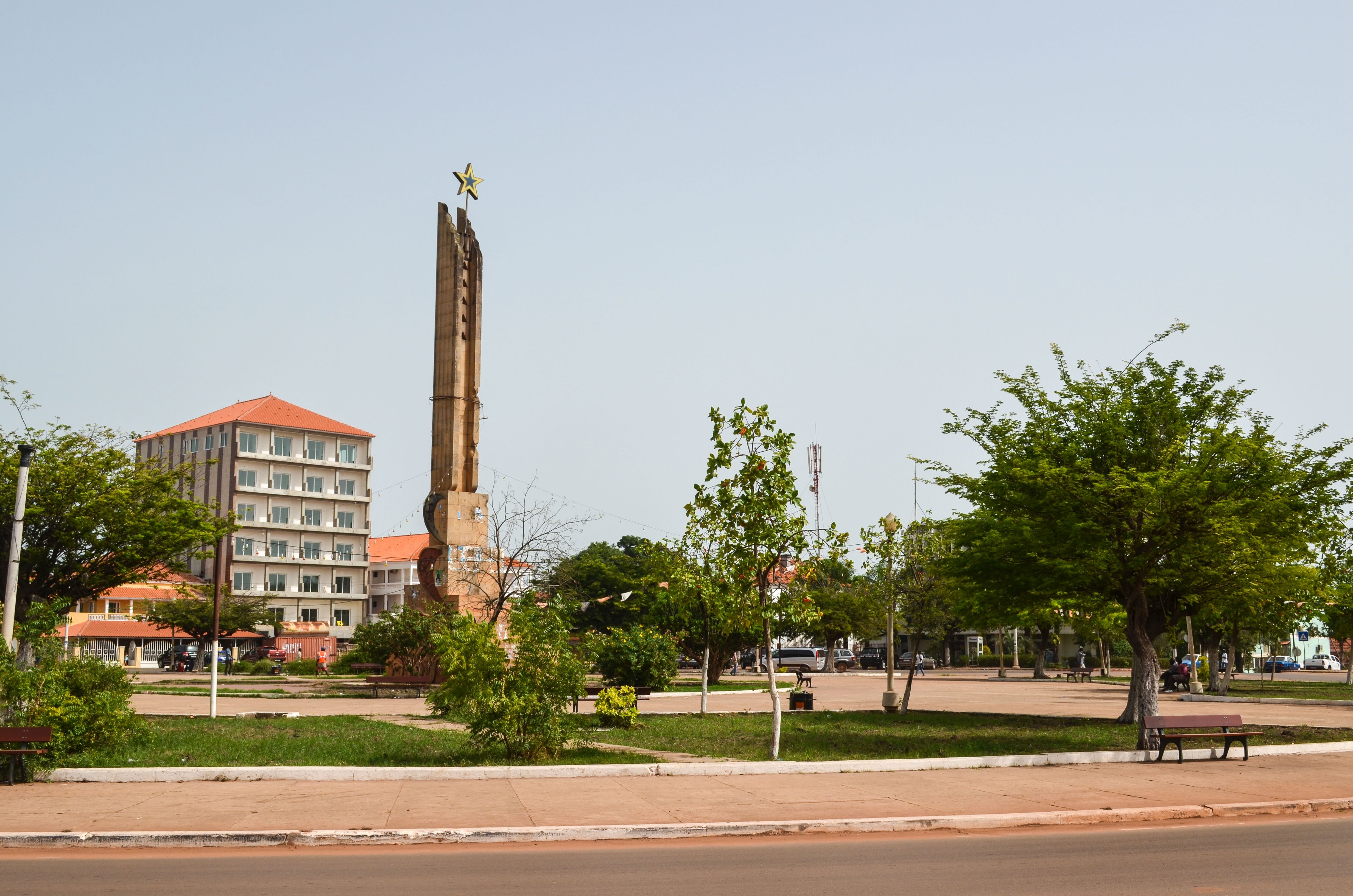
The capital, Bissau, is a languid city of crumbling colonial architecture and lively markets. It comes alive spectacularly during Carnival in February, when the whole city erupts in masked parades, drumming, and dancing that rival anything in Brazil for sheer energy, if not for scale. The interior is quiet and rural. Bafata, the second-largest town, is a stopover on the road east rather than a destination in itself.
Guinea-Bissau is not an easy country to travel in. Infrastructure is minimal, electricity and water are unreliable, roads outside Bissau deteriorate quickly in the rainy season, and political instability has been a recurring feature since independence from Portugal in 1974. But for travelers willing to accept the rough edges, it rewards with genuine encounters, extraordinary nature, and one of the most vibrant carnivals in Africa.
Destinations
- Bissau -- the capital, with colonial architecture, Bandim market, and Carnival
- Bijagos Islands -- pristine archipelago with saltwater hippos, empty beaches, and living traditions
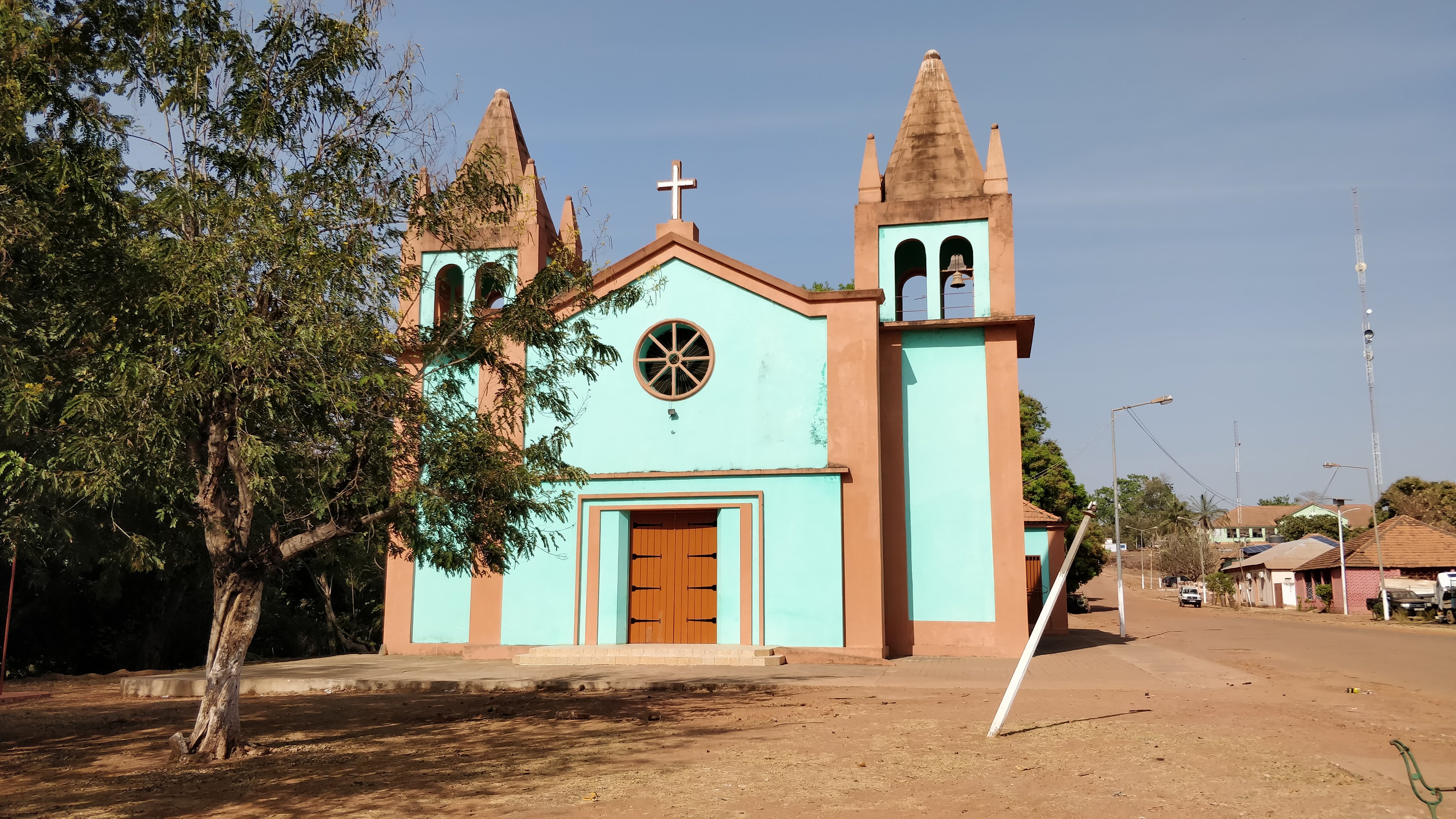
- Bafata -- the country's second town, a transit stop on the road east