Bissau
©
Bissau

Bissau

Unhurried West African capital with faded Portuguese colonial streets around Bissau Velho.

Bissau is a quiet capital by African standards. The streets are half-empty for much of the day, people sit on porches and chat, and the pace of life is unhurried to the point of stillness. It has a certain charm, though -- faded colonial buildings with wide verandas line the streets, and there is a rawness to the city that feels authentic rather than neglected.

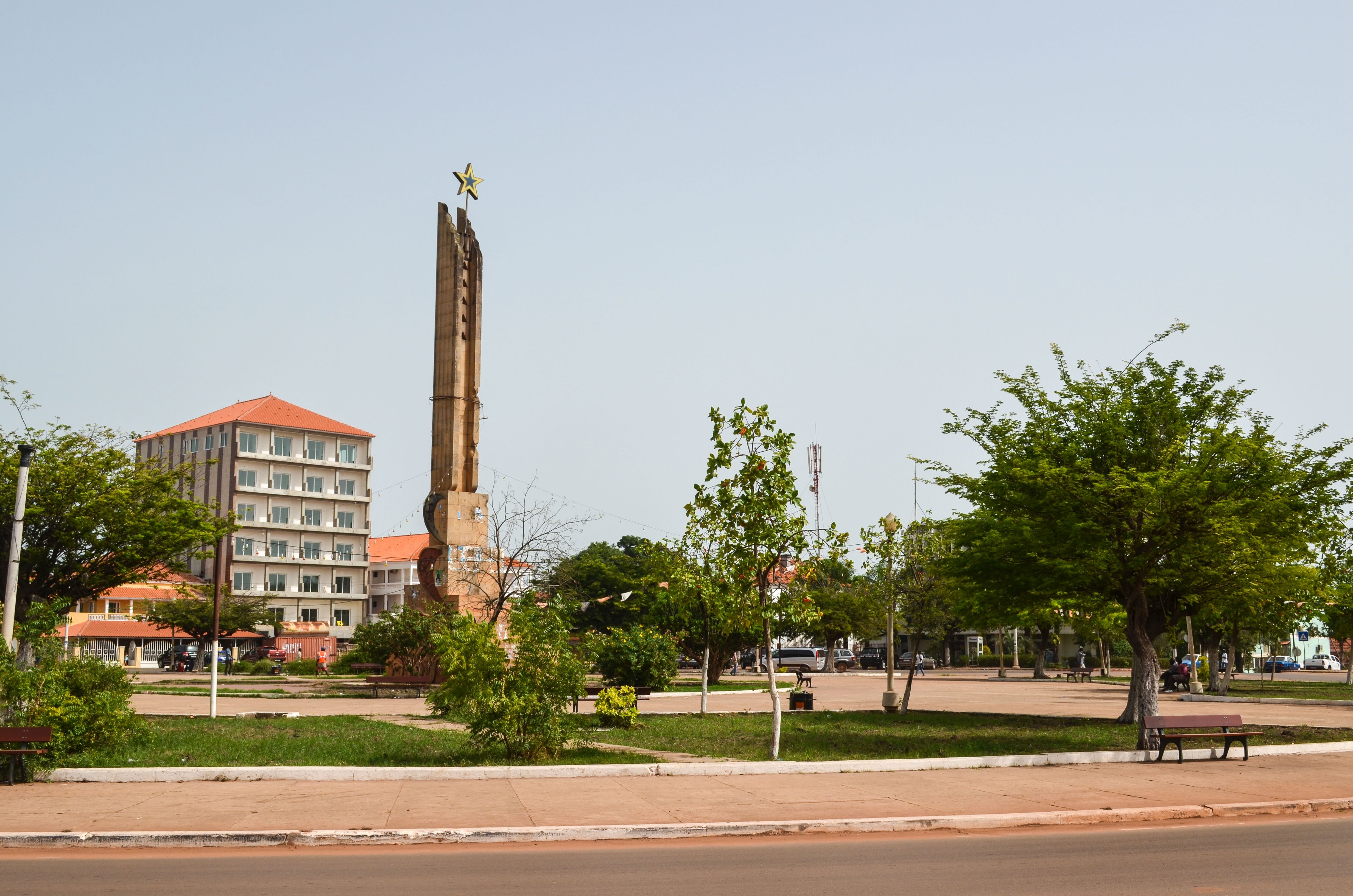
The old quarter, Bissau Velho, is where you will find the most atmospheric colonial architecture, including the ruined Presidential Palace. The Cathedral of Our Lady of Candelaria and the Mao de Timba monument in Praca dos Martires are worth a look. The National Ethnographic Museum gives a decent introduction to the country's diverse ethnic groups.

Bandim Market is the beating heart of the city. Known locally as "chapa de Bissau," it sprawls across several blocks and sells everything from fresh fish to traditional textiles. Come in the morning when it is at its liveliest.

Bissau is the practical base for exploring the rest of the country. Ferries and boats to the Bijagos Islands depart from the port, and bush taxis head east to Bafata and beyond. If you are here in February, do not miss Carnival -- it is the biggest event in the country, with masked parades, traditional drumming, and dancing that fills the streets for days.

Don't expect much in the way of tourist infrastructure. Hotels are basic, restaurants are few, and power cuts are routine. But Bissau is safe enough to walk around during the day, and its low-key atmosphere grows on you.

Guide

Eating Out

Bissau's restaurant scene is modest but genuine. Portuguese influence runs through the cooking — grilled fish with piri-piri, rice dishes, and the occasional pastry — but the local Guinean cuisine is the more interesting option. Caldo de mancarra (groundnut stew) and jollof rice are the staples. Small restaurants near Bandim Market serve inexpensive lunches to local office workers. The handful of restaurants that cater to international visitors tend to cluster around the Hotel Bissau and the Praca dos Martires area.

Guide

Getting Around

Bissau is small enough to walk across its centre, but the heat makes this uncomfortable for long stretches. Shared taxis (candongas) run fixed routes for a flat local fare. Private taxis are more expensive and should be negotiated in advance. Roads within the city are a mix of paved and potholed; during the rainy season (June–October) some streets flood significantly. There are no tuk-tuks or ride-hailing apps. Motorbike taxis (jakarta) are available and cheap but require some caution.

Guide

Getting There

Osvaldo Vieira International Airport is about 8 km from the city centre. Several airlines operate routes to Dakar, Lisbon, Casablanca, and other West African capitals, though service is limited and schedules change frequently — check before booking. Bush taxis (shared minibuses) connect Bissau to Bafata, Gabu, Ziguinchor (in Senegal), and other regional destinations. Ferries to the Bijagos Islands depart from the Porto Pidjiguiti at the foot of the old city; schedules are seasonal and weather-dependent.

Guide

Things to Do

Bissau rewards slow walking rather than sightseeing in any conventional sense. The colonial architecture of Bissau Velho, the market at Bandim, and the waterfront around the port give a sense of the city's character — faded, independent, and unhurried. The main formal sights are few: the ruined Presidential Palace, Fort Amura, the cathedral, and the Ethnographic Museum. Most visitors are here because Bissau is the gateway to the rest of the country and to the Bijagos Islands.