Kankan
©
Kankan

Kankan

Eastern Guinean city on the Milo River, spiritual heartland of Malinke culture and Mali Empire memory

Kankan is the second-largest city in Guinea and the spiritual heart of the Malinke (Mandinka) people. For those tracing the history of the Mali Empire, this is significant ground. For everyone else, it is a dusty but atmospheric stop on the long road east from Conakry to Mali.

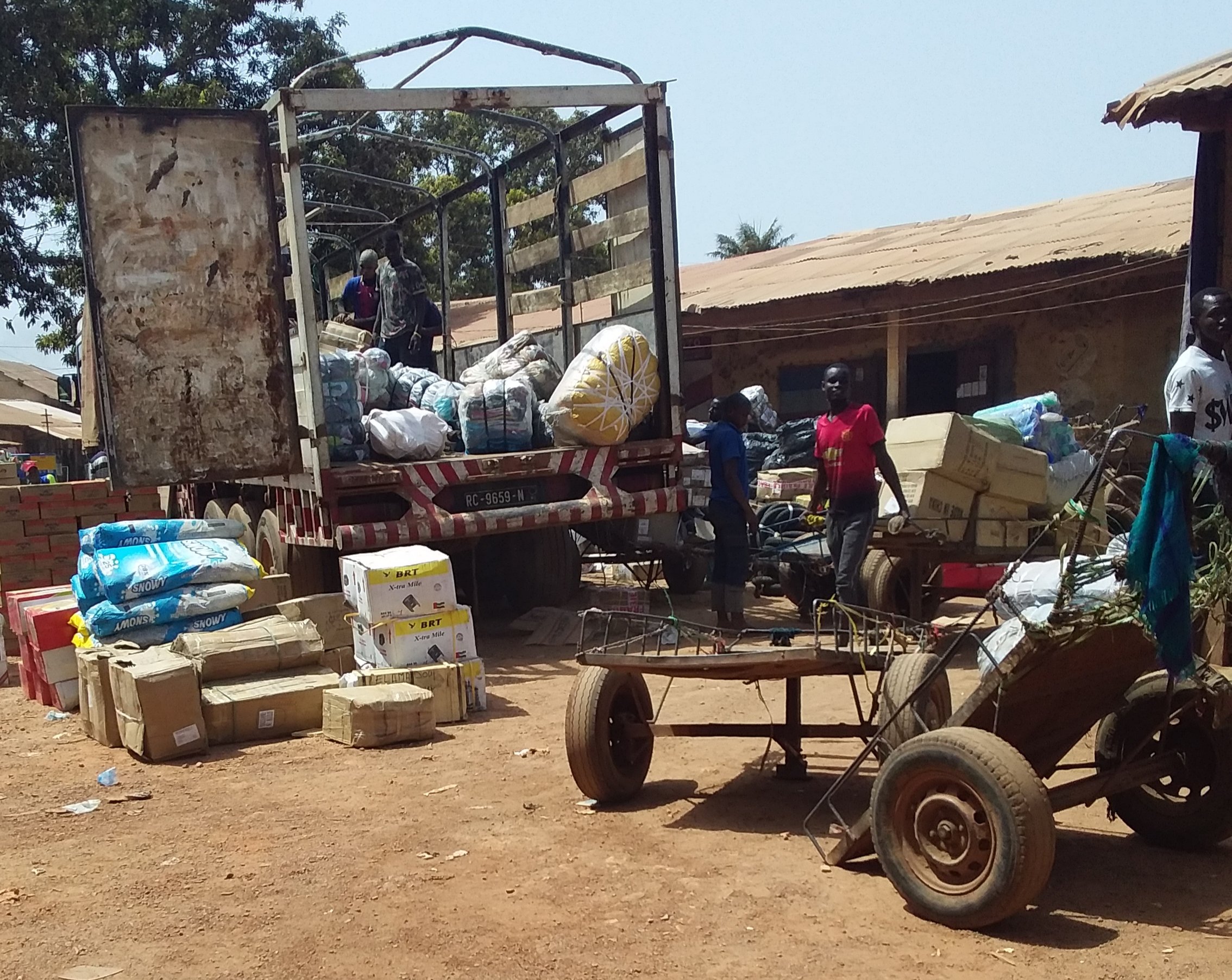
You would not guess from looking at it that Kankan was once a capital of empire. There is no grandeur here -- just a sprawling, low-slung town on the banks of the Milo River. But it has character. The Grande Mosquée is worth a visit, the covered market with its arched entrances is one of the liveliest in the country, and the open-air market is a good place to buy locally made leather goods and cloth.

Kankan sits 500 km east of Conakry, and bush taxis make the trip regularly. The road is slow but mostly paved. The town also serves as a transit point for travelers heading overland to Mali. Malinke culture is everywhere here -- in the music, the language, and the three rounds of sweet tea that accompany any conversation.

Guide

Getting There

Kankan lies around 500 km east of Conakry along a road that is mostly paved but slow — expect seven to nine hours by bush taxi, longer in the rains. Bush taxis (minibuses and station wagons) depart from Conakry's Bambeto and Madina motor parks when full, which can mean a wait of several hours. The road passes through Mamou and Kissidougou and the journey has some spectacular scenery through the Fouta Djallon highlands before flattening out into the drier east.

There is a small airport at Kankan (KNN), but scheduled services are infrequent and unreliable. Check current status before building travel plans around it.

Kankan also serves as a transit point for travel onward to Mali — shared vehicles head east from the main motor park toward the border at Kourémalé or Koulounin most days.

Guide

Things to Do

Kankan's attractions are modest but genuine. The city's soul is in its markets and mosques, in the Milo River that defines the town's eastern edge, and in the deep roots of Malinke culture that run through everything here. This is not a tourist destination in any conventional sense — it's a working city where the interesting things are the everyday ones.