Africa > Mali
Mali is one of the world's great adventure destinations — when you can get there. The country contains some of West Africa's most extraordinary landscapes and cultures: the cliff villages of Dogon Country, the legendary remoteness of Timbuktu, the mud-brick grandeur of Djenné, and the living musical tradition that gave the world the blues. For decades it drew independent travellers who could tolerate rough roads, intense heat, and bureaucratic friction in exchange for experiences unavailable almost anywhere else.
Since 2012, much of that has changed. A Tuareg rebellion in the north, followed by an Islamist insurgency, brought the country to near-collapse. French military intervention in 2013 pushed the jihadists back but did not defeat them. Mali's army, frustrated, staged two coups (2020, 2021) and expelled French forces in 2022. The UN peacekeeping mission MINUSMA withdrew at the end of 2023 after the junta demanded its departure. Russian mercenaries (Wagner Group, later rebranded as Africa Corps) arrived to fill the gap but caused heavy civilian casualties and suffered serious military losses. As of early 2026, the security situation remains severe across the north and is deteriorating in parts of the south and west.
The short version: travel to Mali is genuinely dangerous. Most Western governments advise against all travel. That said, a small number of travellers still visit Bamako and its immediate surroundings, and a handful of organised groups attempt the south and Dogon Country with experienced local guides. If you go, do so with clear eyes about the risks.
The country
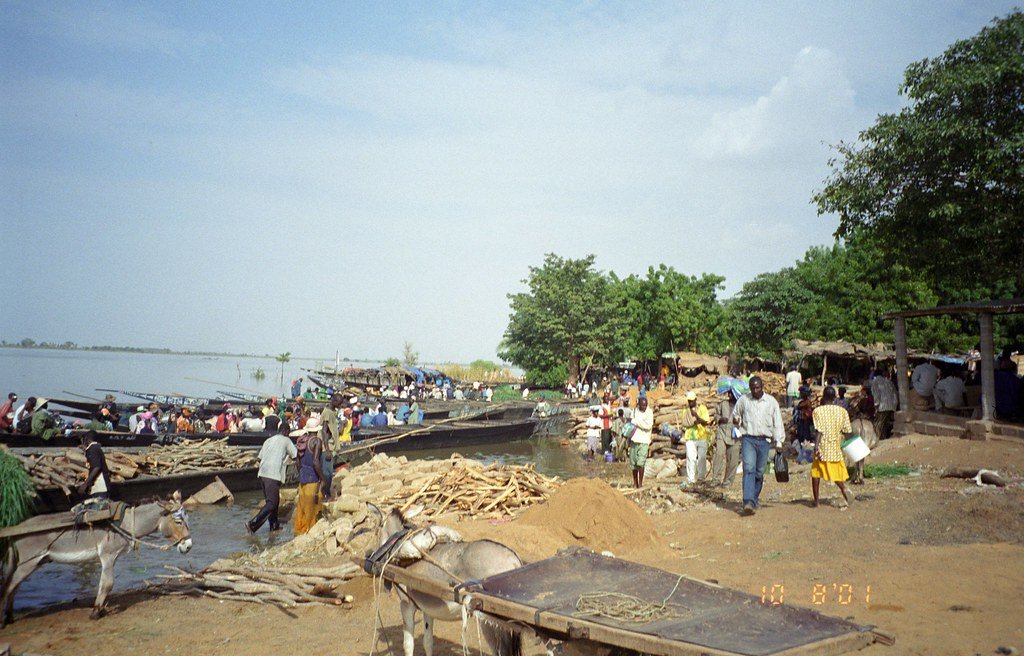
Mali is landlocked and enormous — about twice the size of France. The north is Sahara desert, empty and increasingly controlled by armed groups. The Sahel belt in the middle transitions to the Niger River valley in the south, where most of the population lives. The great bend of the Niger is the country's heartland: Bamako in the west, Ségou and Mopti along the river, Timbuktu at its northernmost reach.
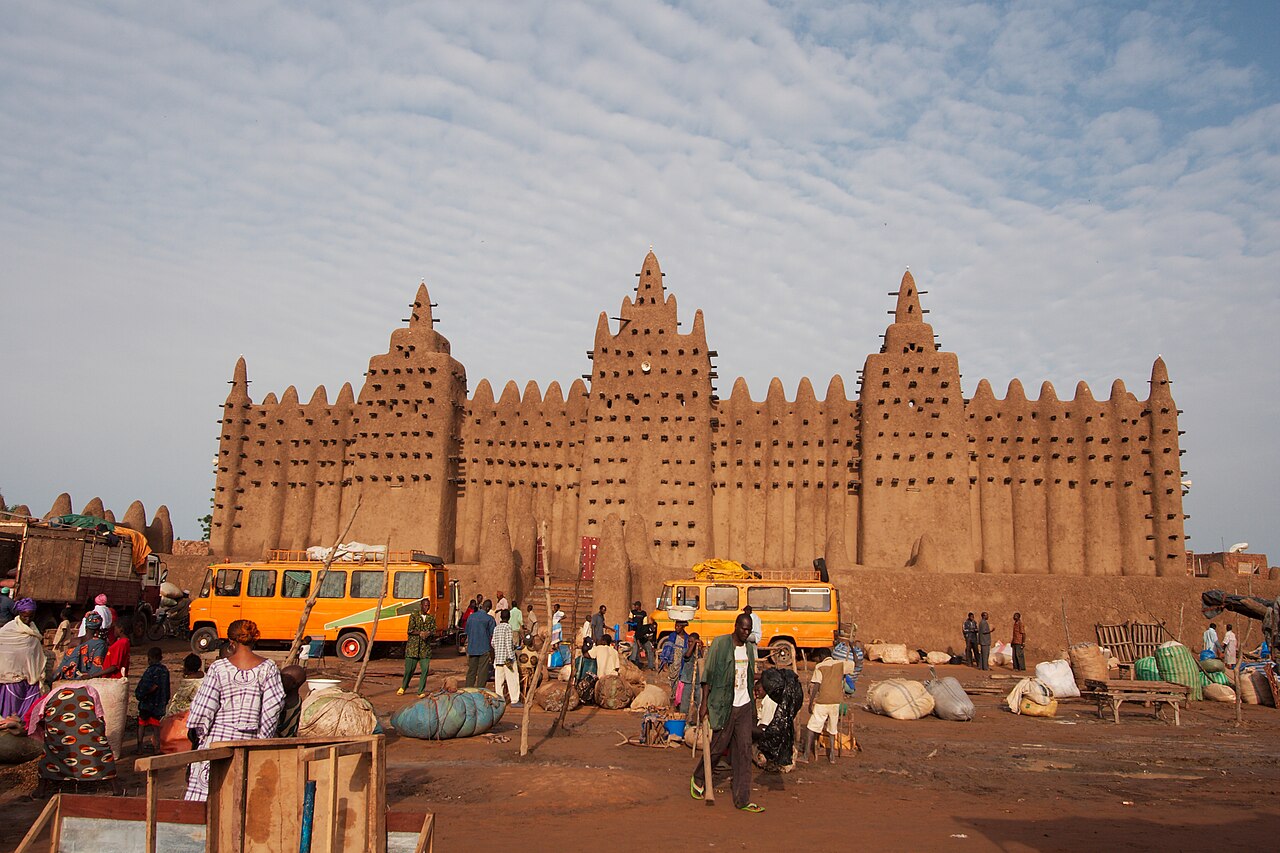
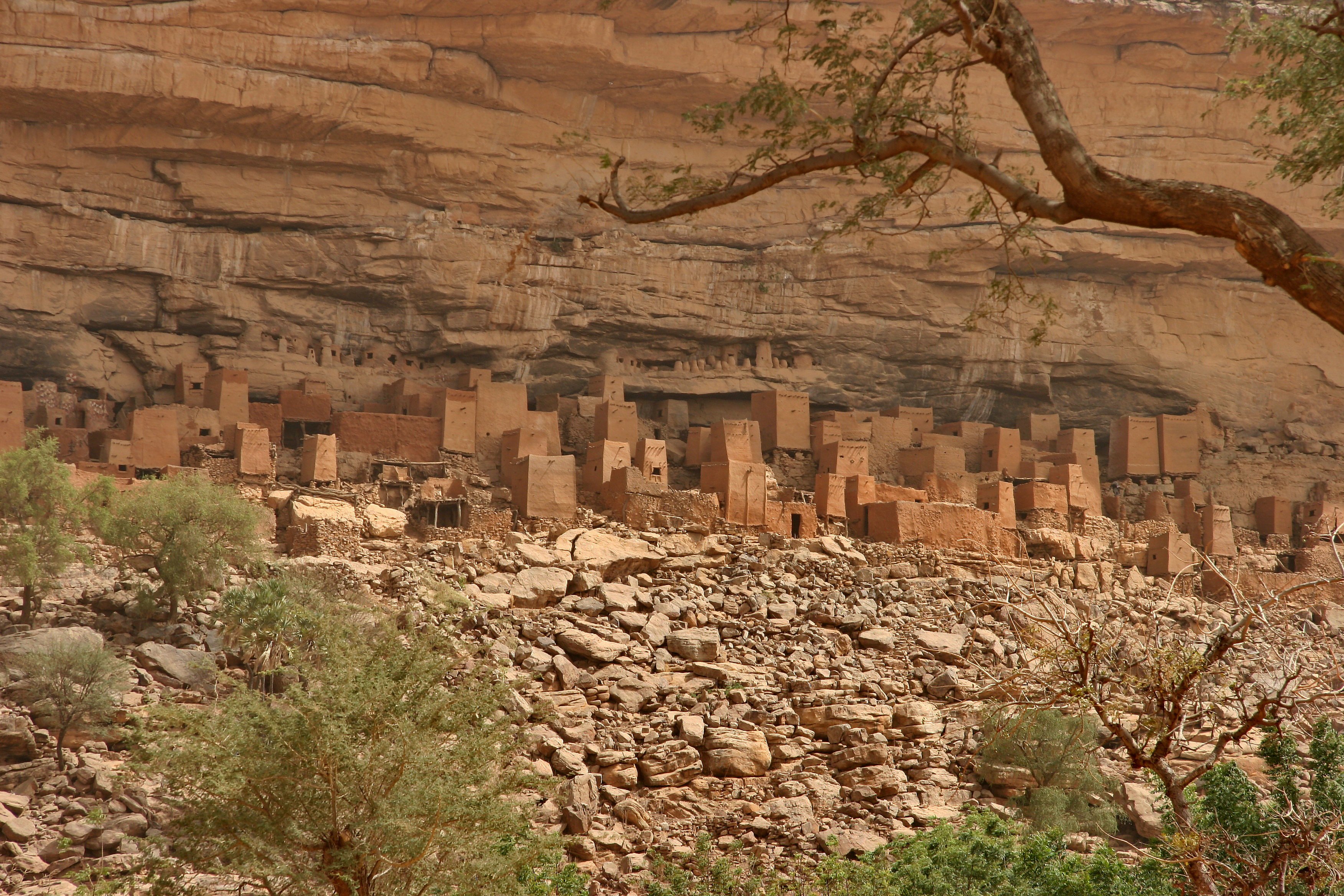
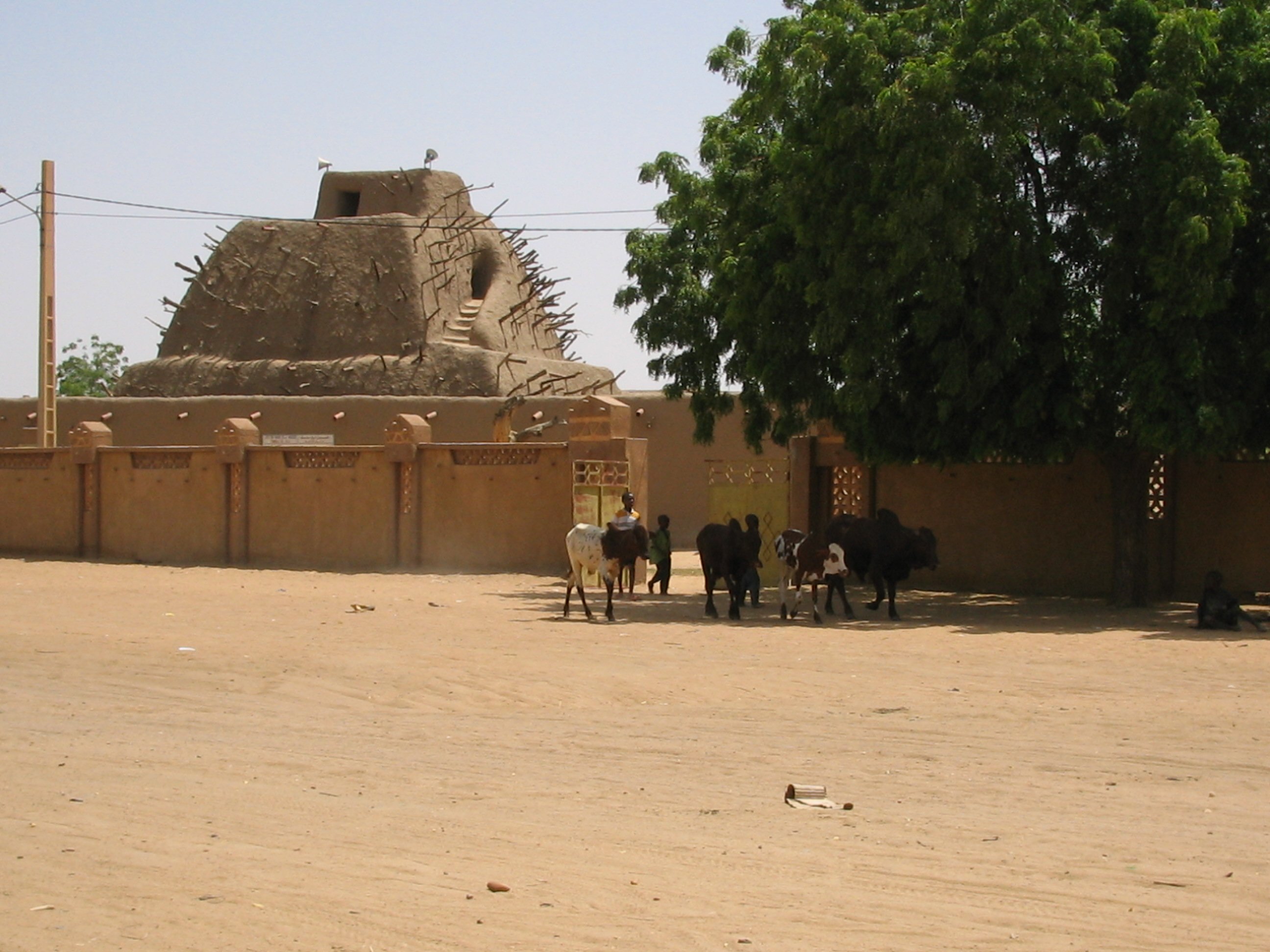
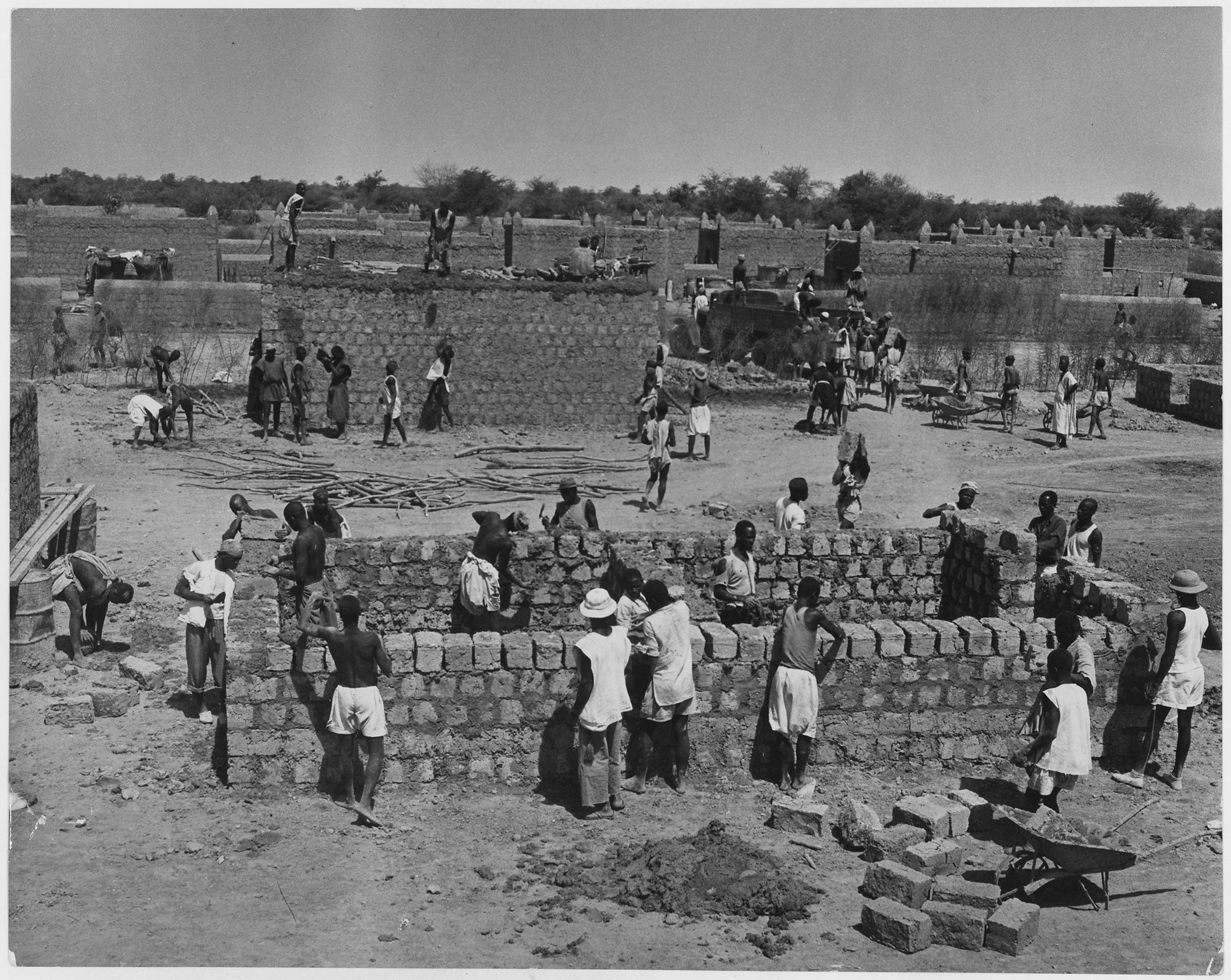
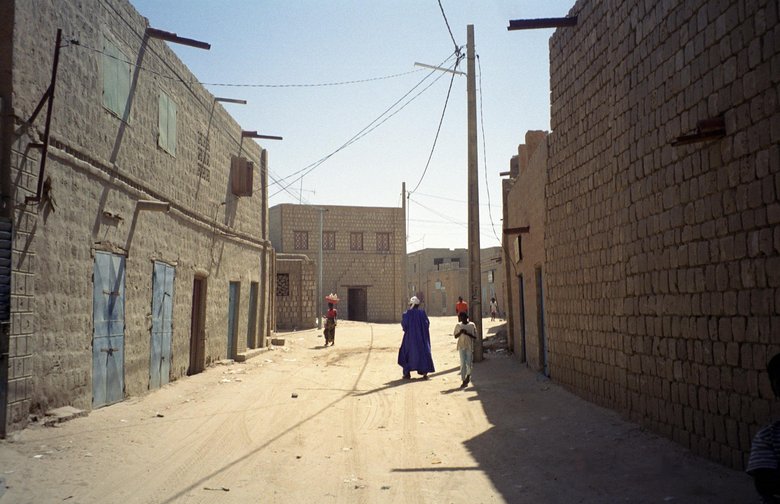
The landscape is striking in its austerity. Vast distances of laterite and sand punctuated by the green ribbon of the Niger, the flat-topped sandstone escarpment of Dogon Country, and the extraordinary mud-brick architecture of Djenné and Timbuktu — a building tradition that is genuinely unlike anything else in the world.
Mali's music is celebrated far beyond its borders. The country produced Ali Farka Touré, whose desert blues drew the connection between West African griot tradition and American blues; kora virtuoso Toumani Diabaté; and Oumou Sangaré, whose music addresses women's rights through deeply traditional sounds. The Tuareg band Tinariwen, formed in Kidal, became unexpectedly famous internationally. Malian music remains vibrant even as the country suffers.
Security
Read your government's current travel advisory before making any plans. The situation changes and this guide cannot be kept up to the minute.
Northern Mali — the regions of Kidal, Gao, Ménaka, and Taoudenni — is controlled by a mix of Tuareg rebel groups, jihadist factions (primarily JNIM, linked to al-Qaeda), and IS-affiliated groups. Gao and Timbuktu are under nominal government control but remain highly dangerous. Kidal has been outside government control entirely since 2012. Do not travel to the north independently.
Central Mali — the Mopti region, including Dogon Country — has seen increasing violence since 2015. Dogon Country was once Mali's most-visited destination; some organised tours still operate with local security arrangements, but kidnapping of foreigners has occurred. The risk is real.
Bamako has suffered several terrorist attacks on hotels and restaurants frequented by foreigners, though these have been less frequent in recent years. General street crime in the capital is lower than in many African cities, but the threat of targeted attacks remains. Avoid travelling in urban areas after dark.
Western Mali — the regions of Kayes and Koulikoro — has seen increased kidnapping activity since 2024. Overland routes to neighbouring countries carry significant risk.
Destinations
- Bamako — the capital; a sprawling, musical, chaotic city on the Niger
- Ségou — historic Bambara town; the Festival sur le Niger draws musicians from across the continent
- Mopti — river junction town; the best base for exploring the region
- Dogon Country — cliff villages and extraordinary culture along the Bandiagara Escarpment
- Djenné — home to the world's largest mud-brick building, the Great Mosque
- Timbuktu — the legendary desert city; dangerous to reach, but the name says it all
- Gao — gateway to the Sahara, on the Niger bend; currently high-risk
- Kidal — remote Tuareg town; effectively off-limits since 2012
- Ségou — river town known for its Monday market and hand-woven textiles
- Kayes — western rail terminus; starting point for routes from Senegal
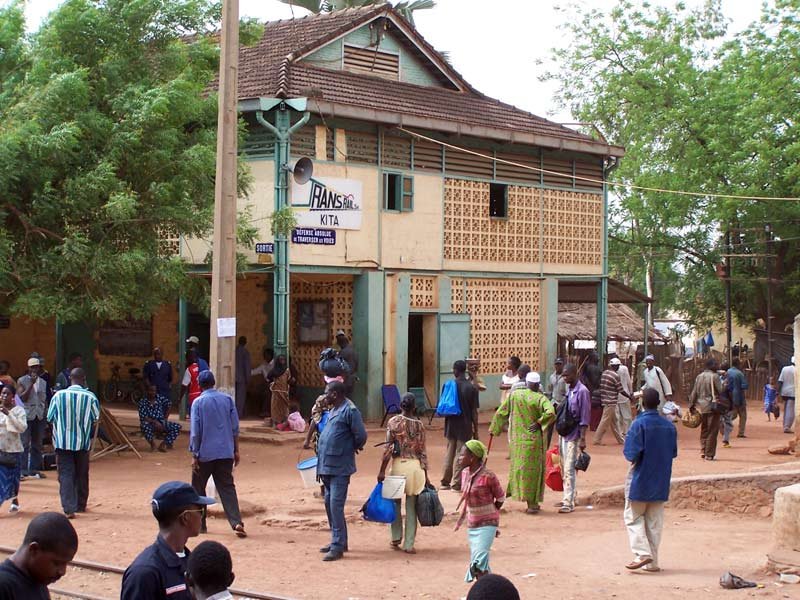
- Kita — small town midway between Kayes and Bamako
- Niono — "the Venice of Mali," notable for its mud-brick mosque
- Sikasso — southern city near the Burkina Faso border