Africa > Kenya > Western Kenya
Western Kenya is the part of the country most travellers skip — and that is exactly the point. There are no big game parks here, no Maasai Mara crowds, no coastal resorts. What you get instead is the green, lake-fringed, deeply lived-in side of Kenya: sugar cane plains rolling toward the Ugandan border, the vast inland sea of Lake Victoria, the last patch of equatorial rainforest in the country, and the slopes of an old volcano big enough to share with Uganda.
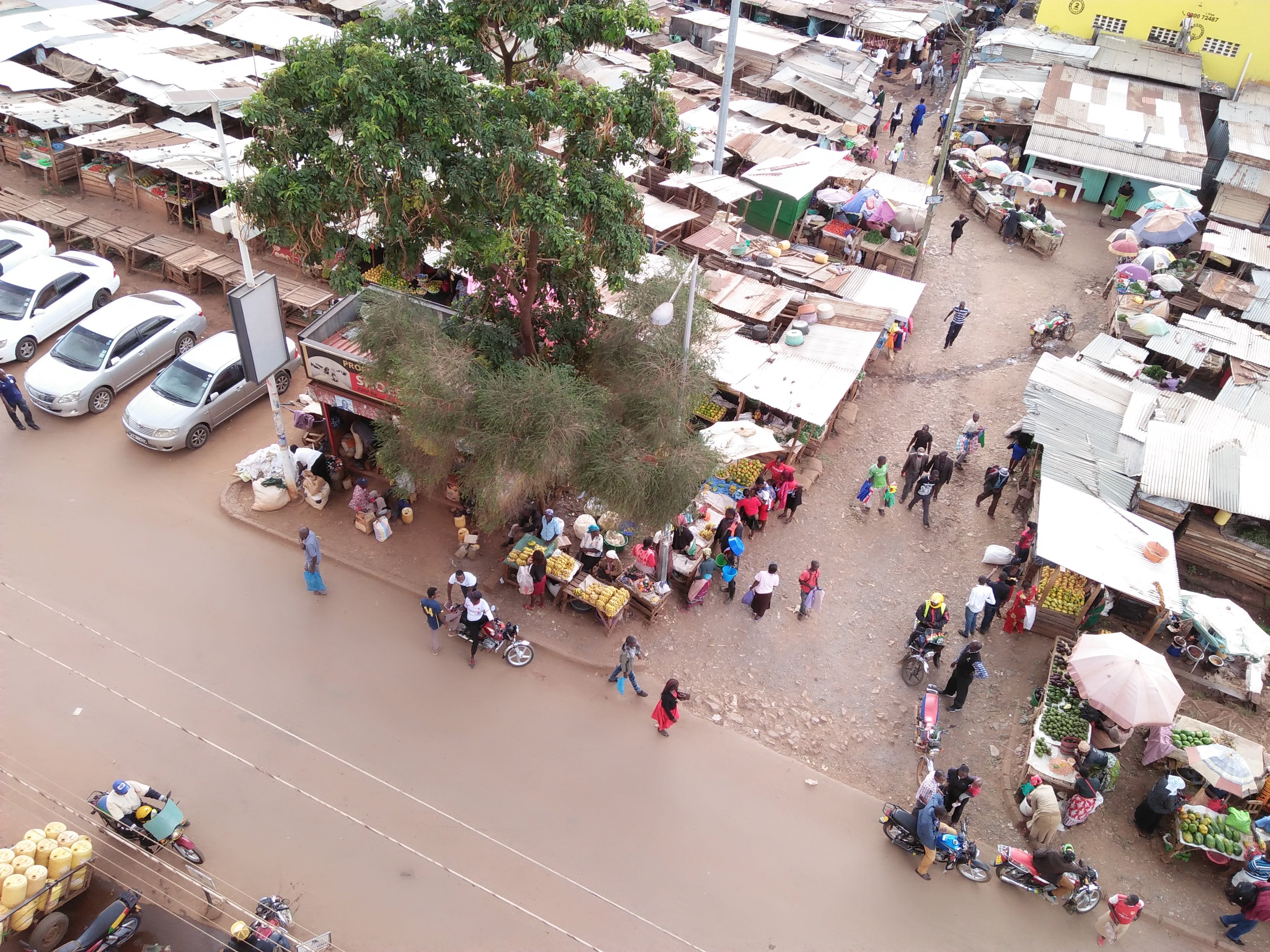
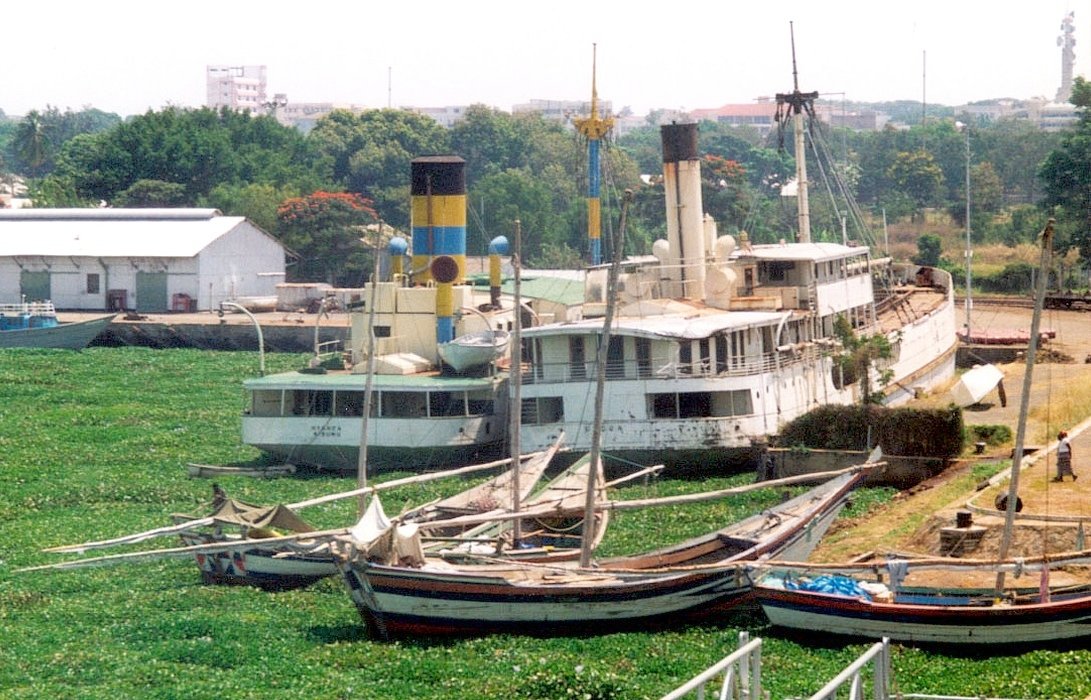
Geographically the region splits between the old Nyanza Province around the lake — Luo and Kisii country — and Western Province along the border, dominated by the Luhya. Kisumu is the hub: Kenya's third city, a port on Lake Victoria with the same mellow, unhurried feel as Mombasa and none of Nairobi's edge. From the lakefront you can watch fishermen bringing in tilapia and Nile perch, eat fish fried whole at a roadside kibanda, and take a boat out to Hippo Point or one of the small islands.
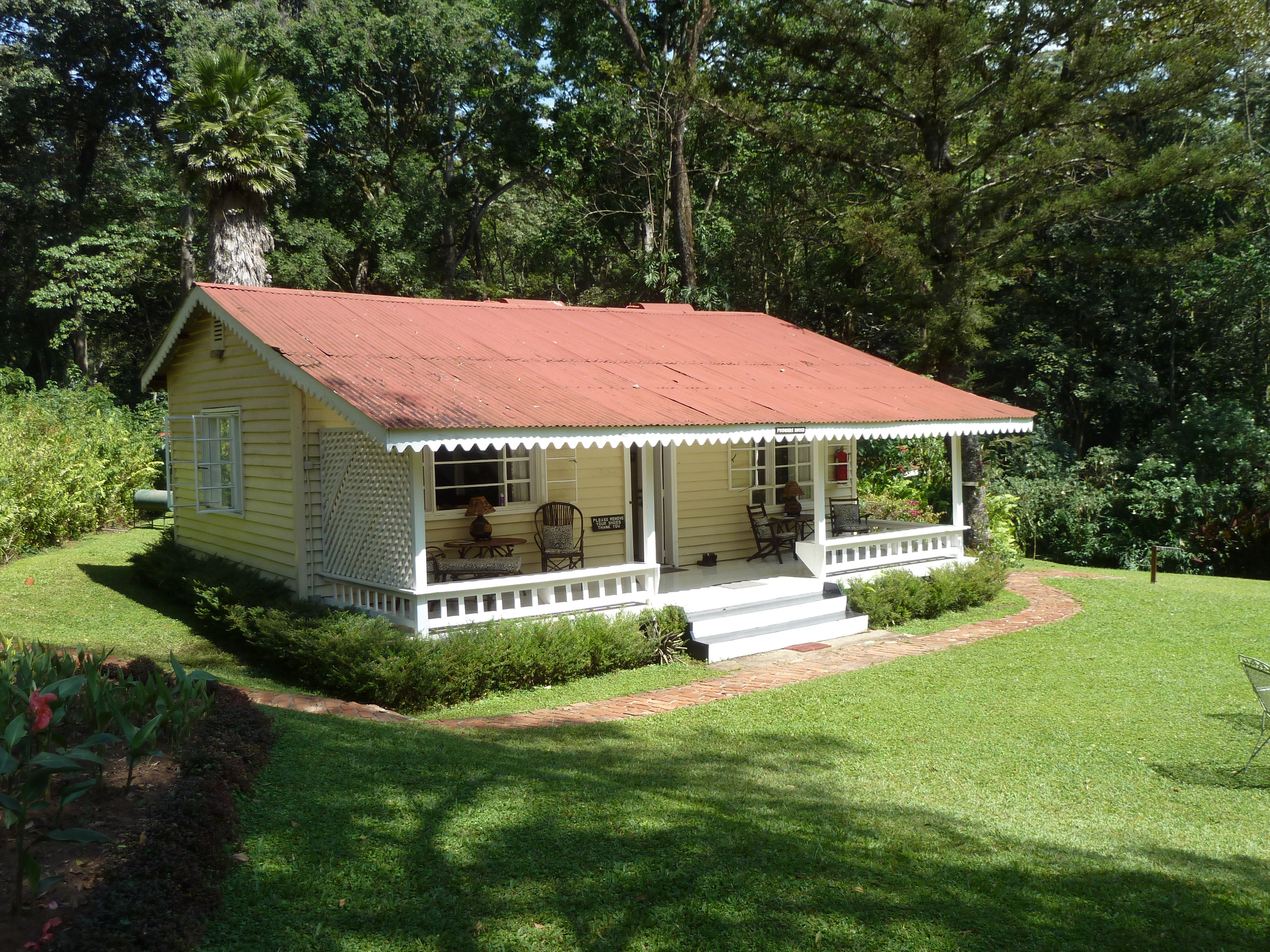
North and east, the landscape changes. Kakamega sits beside Kakamega Forest, the easternmost remnant of the great Guineo-Congolian rainforest that once stretched across central Africa — a place of blue monkeys, hornbills, and butterflies, walkable on foot with a local guide for very little money. Kitale is the gateway to Mount Elgon, an extinct shield volcano whose caldera is one of the largest in the world; the elephants here have famously learned to mine salt from the cave walls. South of Kisumu, Kisii sits in the green tea-growing highlands, known for the soft soapstone carvings sold in markets across East Africa.
This is not a polished tourist circuit. Roads vary, infrastructure is basic, and you will sometimes be the only foreigner around. That is part of the appeal. Travel here is cheap, the welcome is warm, and the rhythm is closer to everyday Kenyan life than anywhere on the safari trail.