Kakamega
©
Kakamega

Kakamega

Small western Kenyan town and gateway to Kakamega Forest, Kenya's remnant Guineo-Congolian rainforest.

Kakamega is a small town in Western Province, about 65 km north of Kisumu. It is the base for trips into the Kakamega Forest, the easternmost remnant of the great Guineo-Congolian rainforest that once stretched across central Africa. The forest is home to over 380 bird species, colobus and blue monkeys, and a remarkable variety of butterflies and plants found nowhere else in Kenya.

The town itself is not much to look at, but matatus run frequently south to Kisumu and north to Kitale, making it an easy stop on a western Kenya circuit. Be ready for persistent touts at the bus stand — they have a reputation as the most aggressive in the country. Forest visitors usually base at one of the entry stations, Buyangu on the north or Isecheno on the south, or at the heritage cabin of Rondo Retreat inside the forest itself. For a glimpse of distinctively Luhya life, the Crying Stone of Ilesi west of town and the Saturday morning bullfights held in the surrounding villages are worth timing a visit around.

Guide

Getting There

The standard route is by road from Kisumu, 65 kilometres south. Matatus on the Kisumu-Kakamega route run every twenty minutes or so during daylight hours; the journey takes about ninety minutes and costs a few hundred shillings. From Nairobi, the easiest options are an overnight bus (about ten hours via Nakuru and Kisumu) or a domestic flight to Kisumu followed by a matatu onwards.

Once you are in town, both forest stations are accessible by matatu plus a short walk: Buyangu on the northern side via the village of Shinyalu, Isecheno on the southern side via the village of the same name. The matatus stop at the main stages in town; ask for the right route at the bus park, where touts are abundant and not always honest about prices. A taxi to the forest from town is around 1,500 shillings one way and may be worth it if you are travelling with luggage.

Guide

Things to Do

The reason to be in Kakamega is the forest. The town itself is a stop, not a destination — a low-rise provincial capital that serves the surrounding farming country. The forest, by contrast, is the easternmost surviving fragment of the Guineo-Congolian rainforest that once stretched across the centre of the continent, and it is unique in Kenya: hundreds of bird species, several monkey species not found elsewhere in the country, butterflies in numbers and varieties that no Kenyan park can match.

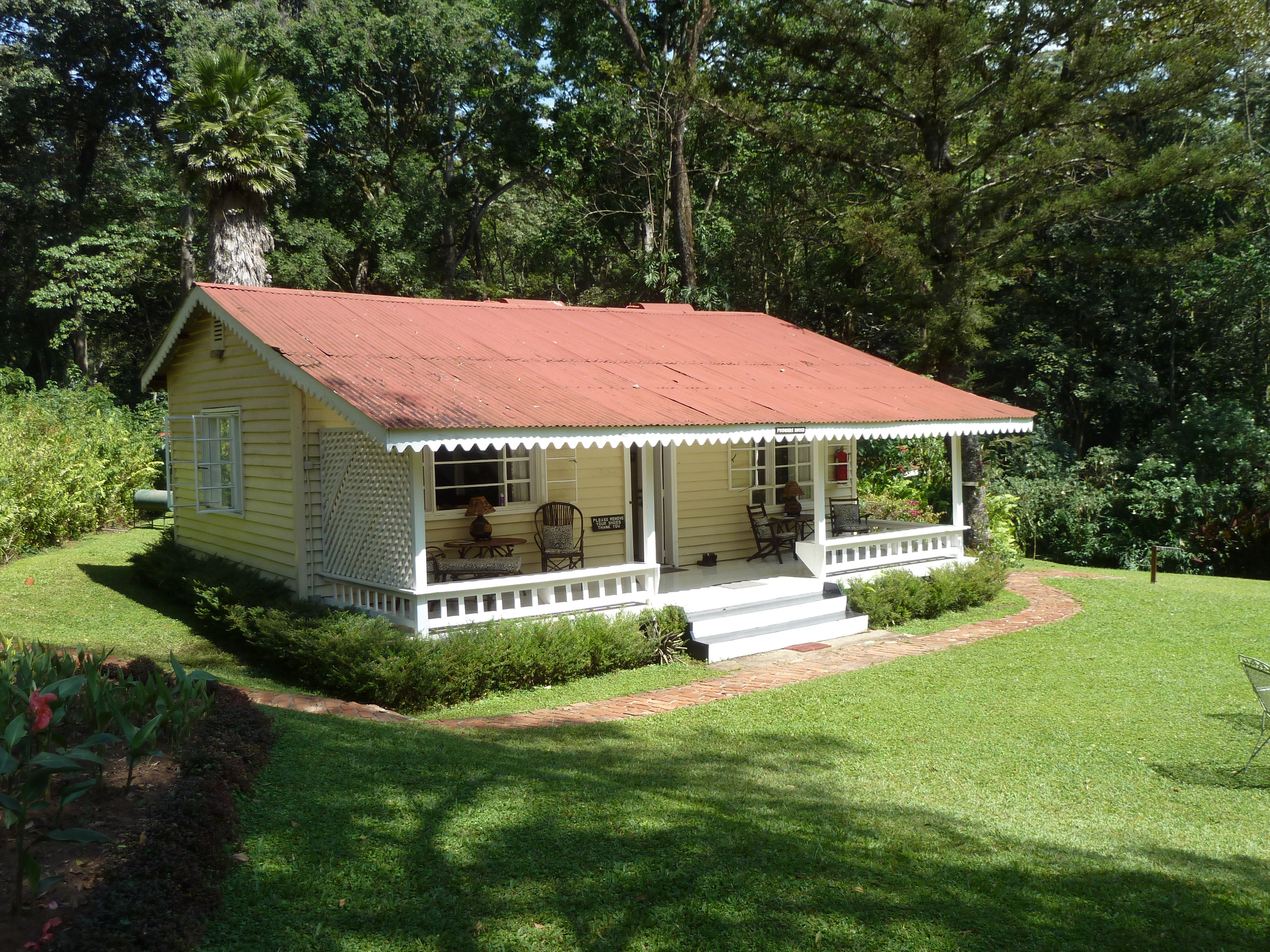
Two practical bases serve the forest. The Buyangu Hill station on the northern side is the Kenya Wildlife Service's main entry point, with guided walks and an observation hill above the forest canopy. The Isecheno gate on the southern side is run by the Kenya Forest Service and is the launching point for the longer walking routes into the heart of the forest. The atmospheric old missionary cabin at Rondo Retreat is the most comfortable place to stay inside the forest itself.

For something with a more local register, the granite outcrop of the Crying Stone of Ilesi and the bullfights held in the villages around town on Saturday mornings — a peculiarly Luhya tradition in which prize bulls are encouraged to push each other around a dusty arena while a brass band plays — are both worth a half-day if your visit coincides.

Guide

When to Go

Western Kenya does not have a dry season as such — it sits on the wet side of the East African climate — but there are clear differences between months. The driest periods are January and February and again in June to early August, when daytime temperatures are pleasantly cool (the equator at altitude) and the forest paths are usable without becoming a mud bath. April and November are the long-rains and short-rains peaks; visits are possible but plan for slippery trails and frequent afternoon downpours.

For birdwatchers, the best window is the boreal winter from October to April, when Palaearctic migrants are present in addition to the resident forest species. For walkers and general visitors, June and July are the most consistent. The Saturday morning bullfights in the villages around Kakamega happen year-round but tend to be most frequent during the months between the two rainy seasons, when farmers have the time and the bulls have the energy.