Sabratha
©
Sabratha

Sabratha

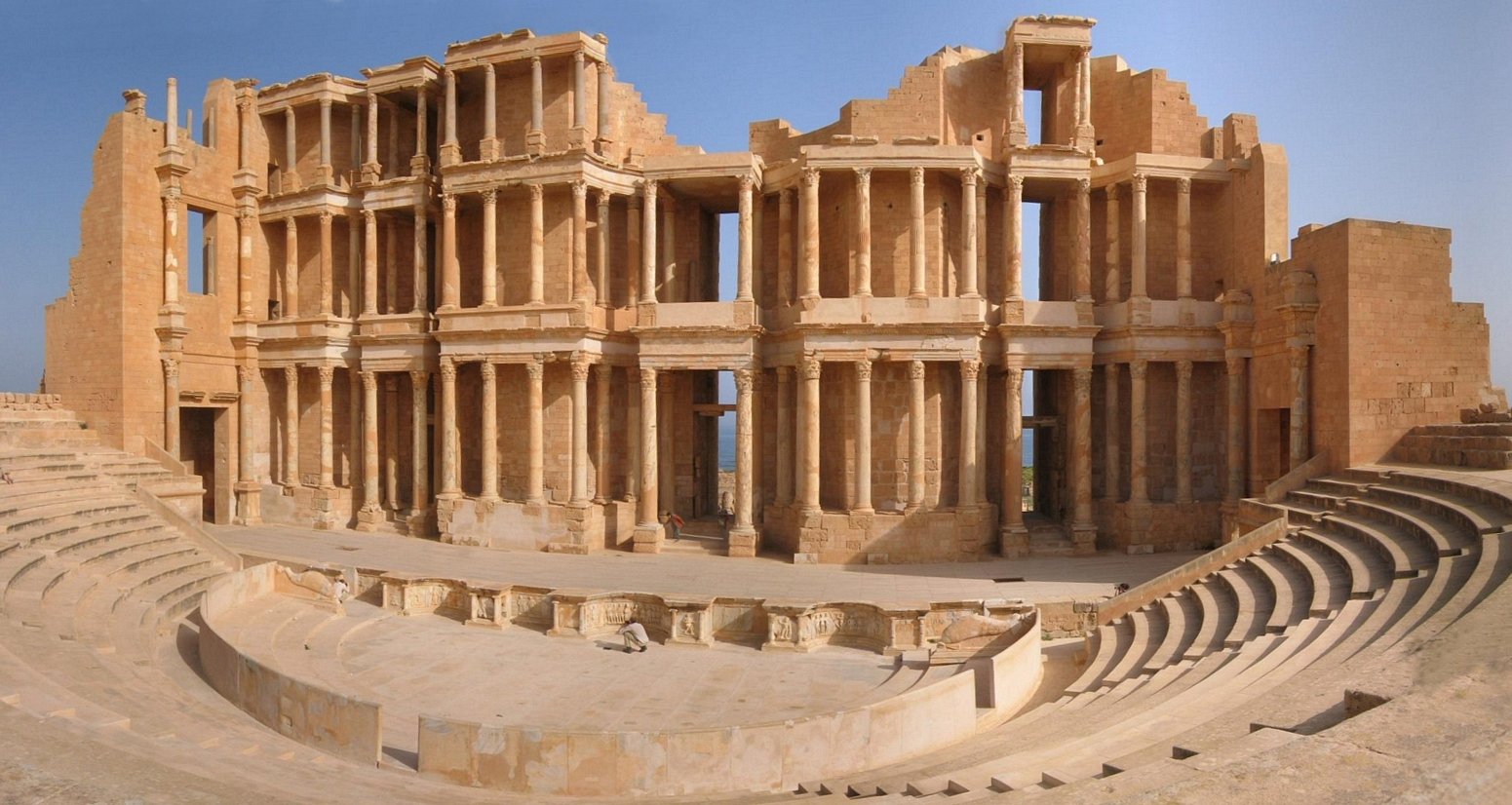
Ancient Roman port city west of Tripoli, defined by its restored theatre facing the Mediterranean.

Sabratha was founded by the Phoenicians as a trading post, grew into a significant Roman port city, and today holds one of the most striking ancient theatres in the world. The three-tiered stage wall — columns rising against a backdrop of sea and sky — is the defining image of Libyan archaeology.

The theatre, built in the late 2nd century AD, seats around 5,000 and was restored by Italian archaeologists in the 1920s and 30s. The restoration is more extensive than at Leptis Magna, which some purists find intrusive, but the effect is undeniably dramatic. The surrounding ruins include temples, baths, a forum, and a well-preserved Capitoline temple.

Sabratha is about 65 km west of Tripoli on the coastal road — an easy half-day or day trip from the capital. The site was inscribed as a UNESCO World Heritage Site in 1982 along with Leptis Magna and Cyrene.

Guide

Getting There

Sabratha is about 65 kilometres west of Tripoli on the coastal road. In normal circumstances the drive takes around an hour, making it a feasible half-day or day trip from the capital. There is no rail connection; shared taxis and minibuses from Tripoli serve the route, or the site can be reached by private car.

Libya's ongoing political instability has made travel to any part of the country difficult and potentially dangerous. The security situation in the west of the country, including Tripoli and the coastal road to Sabratha, can change rapidly. Travellers should consult current advisories from their government before making any plans, and independent travel without a fixer or organised group is not advisable.

Guide

Things to Do

Sabratha's entire appeal is the ancient city. The theatre is the headline — one of the best-preserved Roman stage buildings in the world — but the surrounding ruins of the forum, temples, and baths reward an unhurried walk through. Allow two to three hours for a full visit, more if you linger in the museum.

Access and safety depend heavily on the current security situation in Libya. Check conditions carefully before attempting to visit.