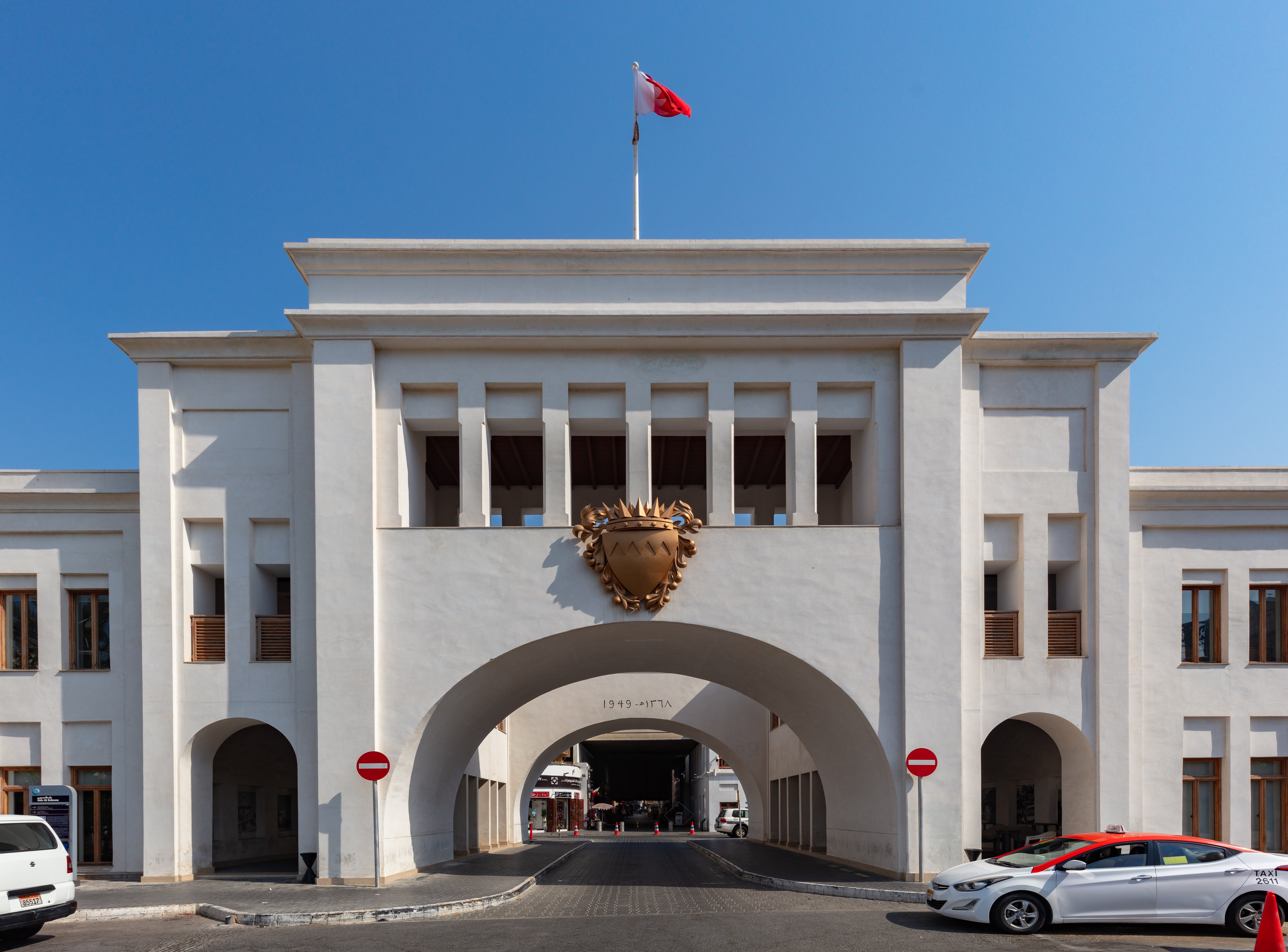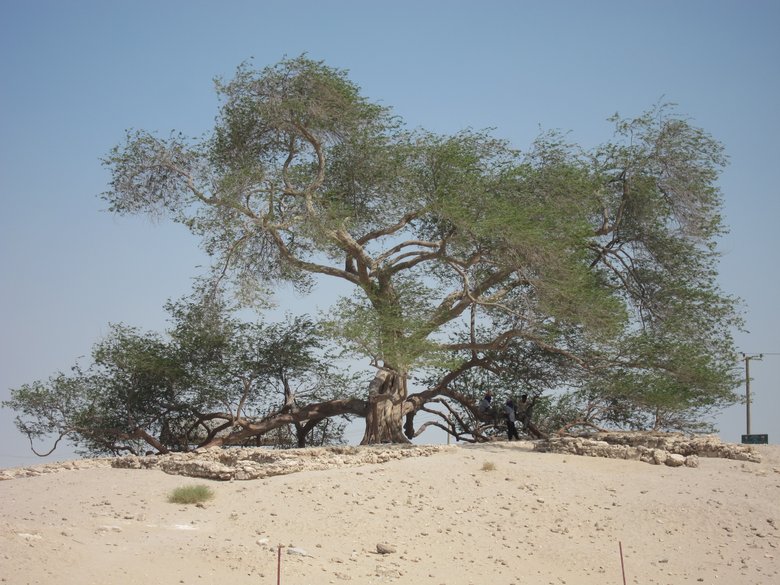
Bahrain is a tiny island kingdom in the Persian Gulf, and it punches well above its weight. Just 780 square kilometers of mostly flat desert, connected to Saudi Arabia by the 25-kilometer King Fahad Causeway, this is one of the most cosmopolitan and historically rich corners of the Middle East. The ancient Dilmun civilization flourished here five thousand years ago, and Bahrain was the center of the Gulf pearl trade for centuries before oil changed everything.
Today Bahrain is a place of contrasts. Glass towers and luxury malls rise next to old souqs and crumbling Portuguese forts. It is the most socially liberal of the Gulf states -- alcohol is widely available, dress codes are relaxed by regional standards, and the country has a lively nightlife scene that draws weekend visitors from neighboring Saudi Arabia. The Formula 1 Grand Prix, held at the Bahrain International Circuit each spring, puts the country on the global sports calendar.
The population is a mix of native Bahrainis and a large expat community from South Asia, the Philippines, and other Arab countries. The result is a food scene that draws on Indian, Persian, and Arabic traditions, and a culture that feels more open and diverse than you might expect from a small Gulf state.
Most visitors base themselves in Manama, the capital, where the main sights, restaurants, and nightlife are concentrated. Riffa, in the center of the island, is home to Bahrain Fort and some of the royal palaces. Jid Hafs is a historic suburb west of Manama that once served as Bahrain's capital.
Bahrain is small enough to see in a few days, but interesting enough to reward a longer stay -- especially if you are curious about Gulf culture beyond the mega-projects and shopping malls.