Assam is one of northeast India's most rewarding states — a vast, steamy lowland threaded by the Brahmaputra river and fringed by jungle-covered hills. It is the world's largest tea-growing region, home to around 850 plantations that produce some 55% of India's tea output, and the setting for Kaziranga National Park, one of the best places on earth to see the Indian one-horned rhinoceros.
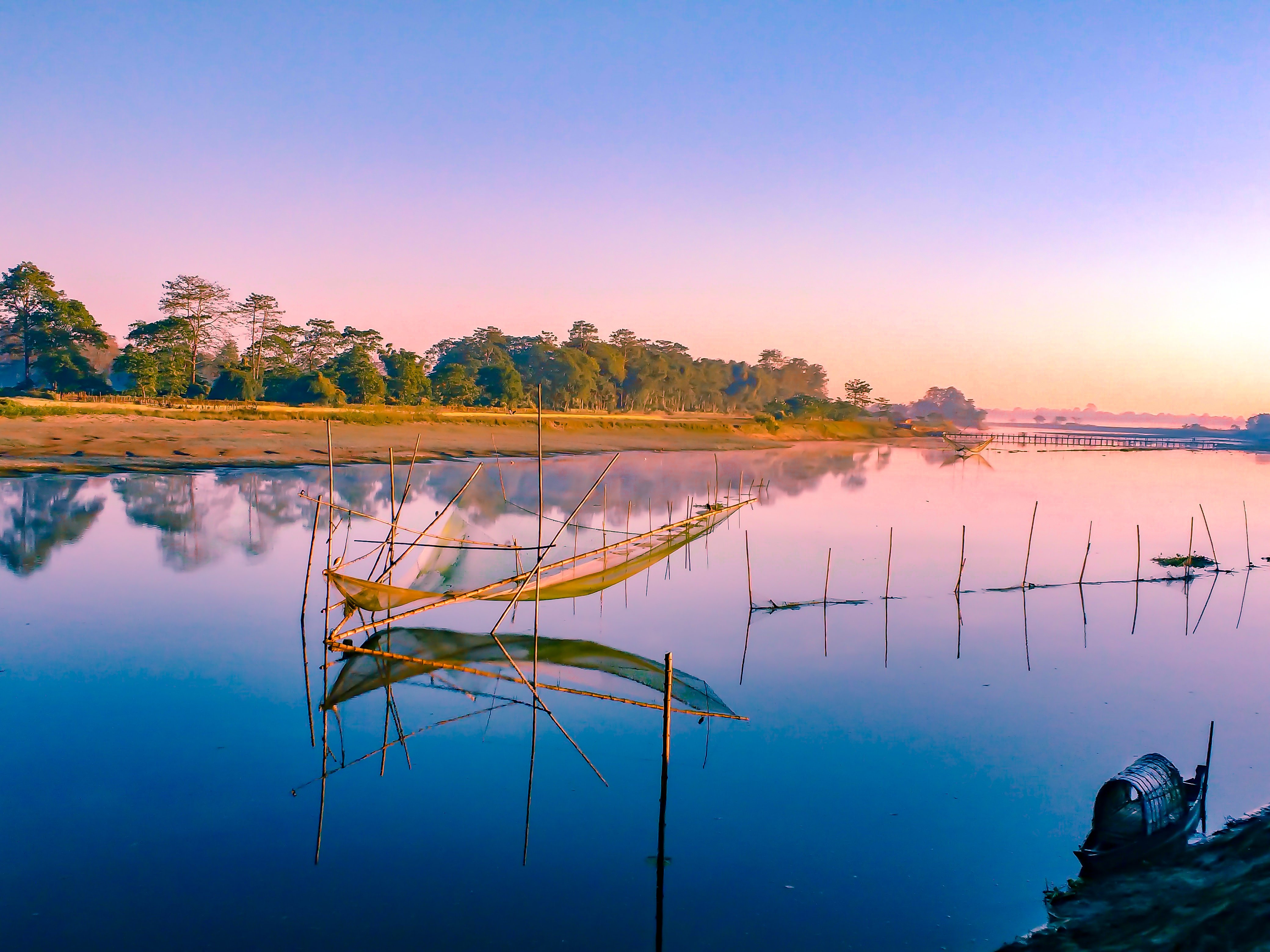
The Brahmaputra dominates the landscape and the culture. The river is enormous — up to 18 km wide in places — and the fertile floodplains support a patchwork of rice fields, wetlands, and wildlife sanctuaries. Rainfall is extreme: the state averages 178–305 cm annually, almost all of it between June and September, which is why the northeast feels so gloriously green.
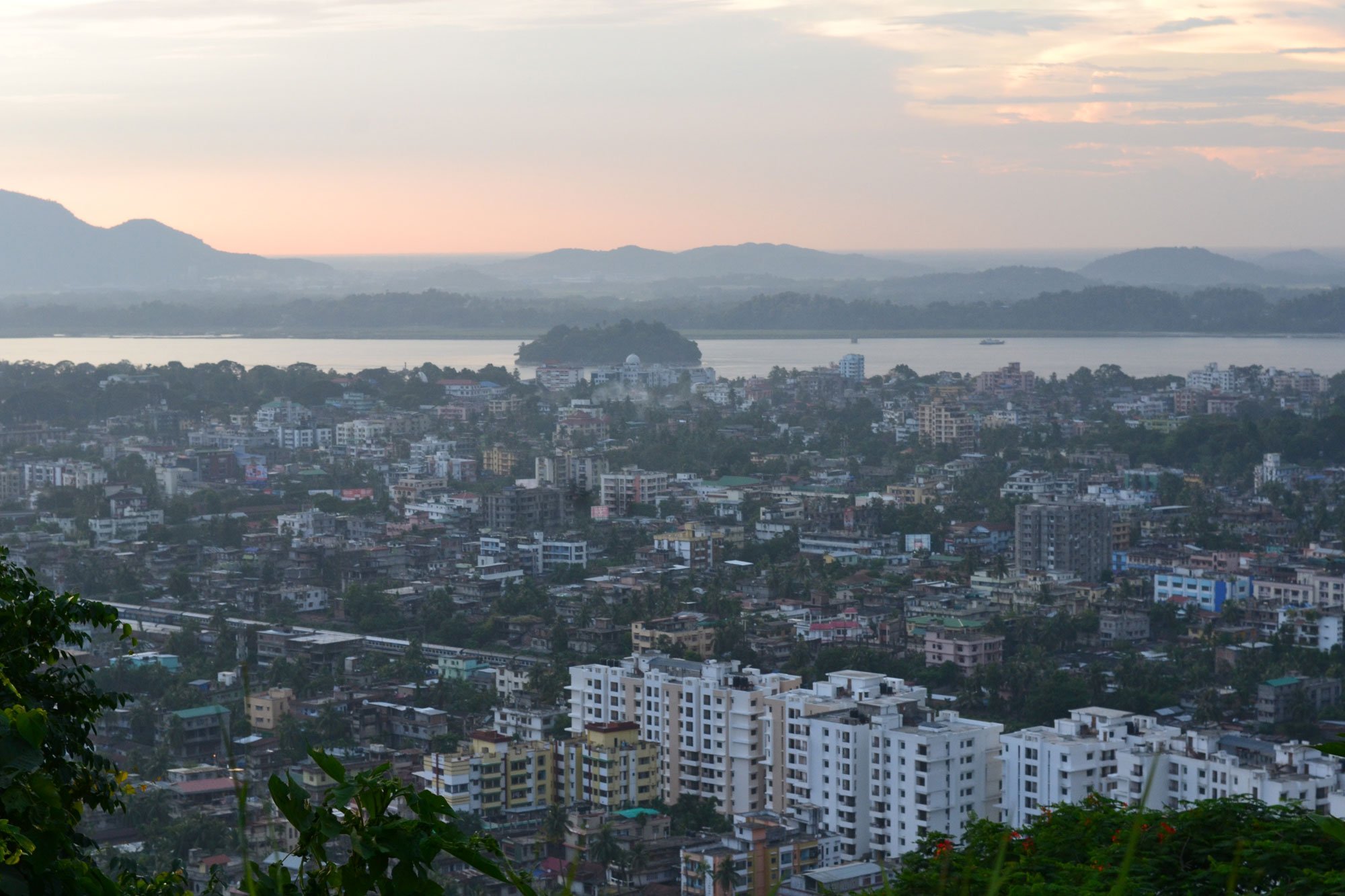
Assam has been a crossroads of peoples for millennia. Austro-Asiatic, Tibeto-Burmese, Dravidian, and Indo-Aryan groups all settled here at different times, producing a culture that is distinctly Assamese — recognisable in its bihu dance, its silk weaving, and its cuisine built around fish, mustard, and rice. The capital, Guwahati, is the gateway to the entire northeast, sitting on the southern bank of the Brahmaputra.
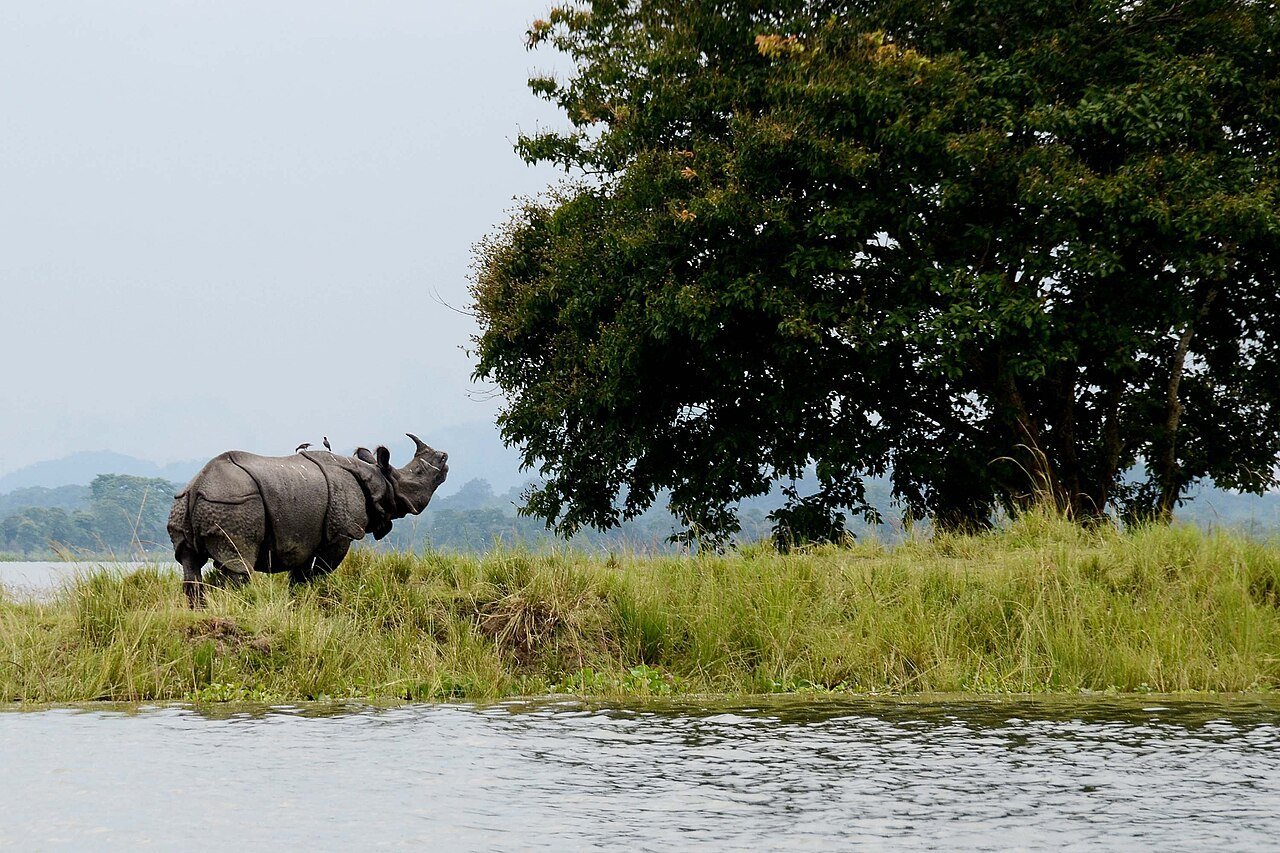
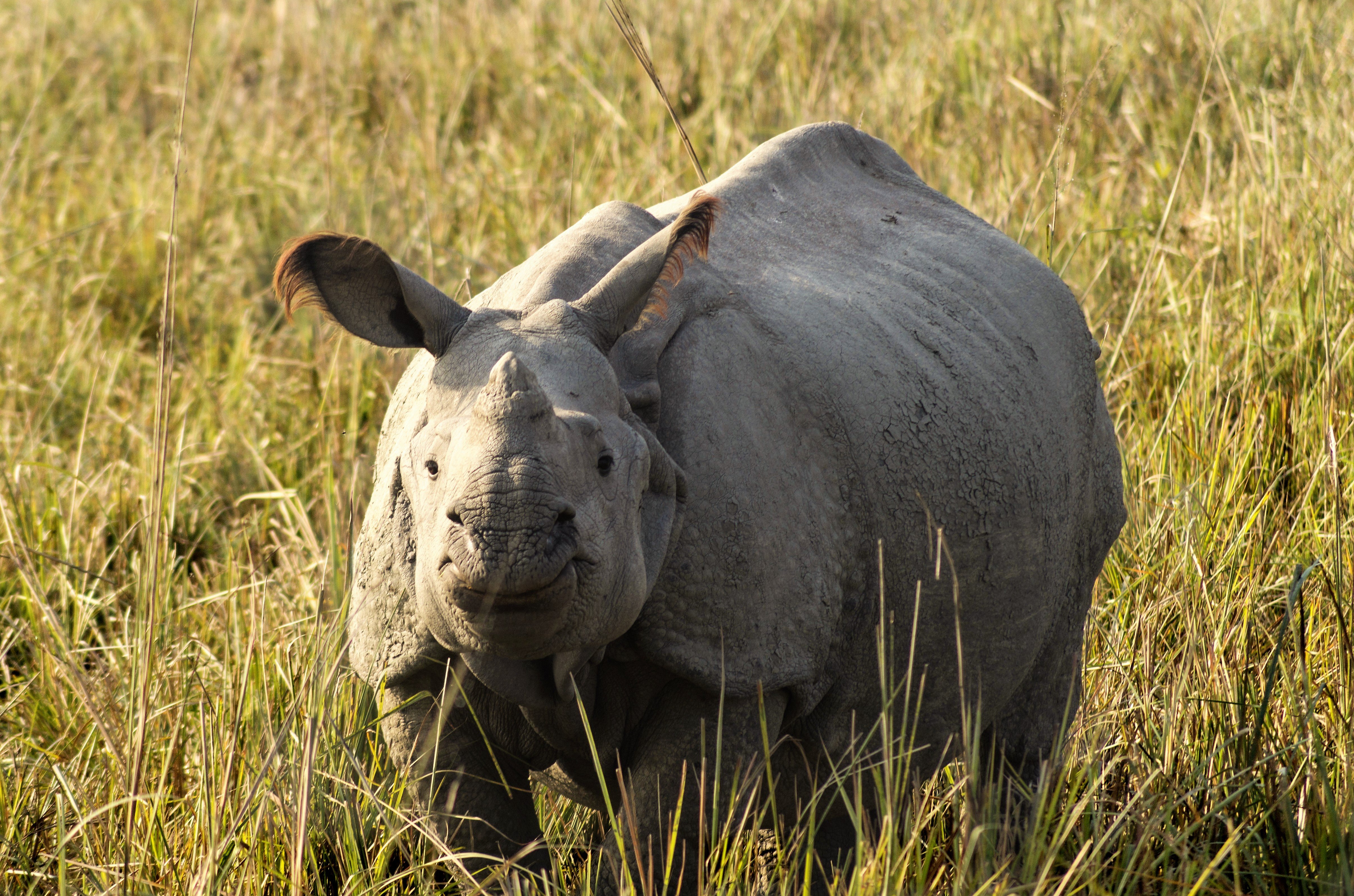
The main draw for visitors is wildlife. Kaziranga National Park protects the world's largest population of Indian one-horned rhinos, as well as tigers, wild elephants, and rare birds. Pobitora Wildlife Sanctuary, closer to Guwahati, has the world's highest density of rhinos per square kilometre. Tea tourists can arrange stays at plantation bungalows in the Brahmaputra Valley.
Note: Foreigners visiting Assam may need to obtain an Inner Line Permit or Restricted Area Permit, depending on their destination. Check current requirements before travelling.