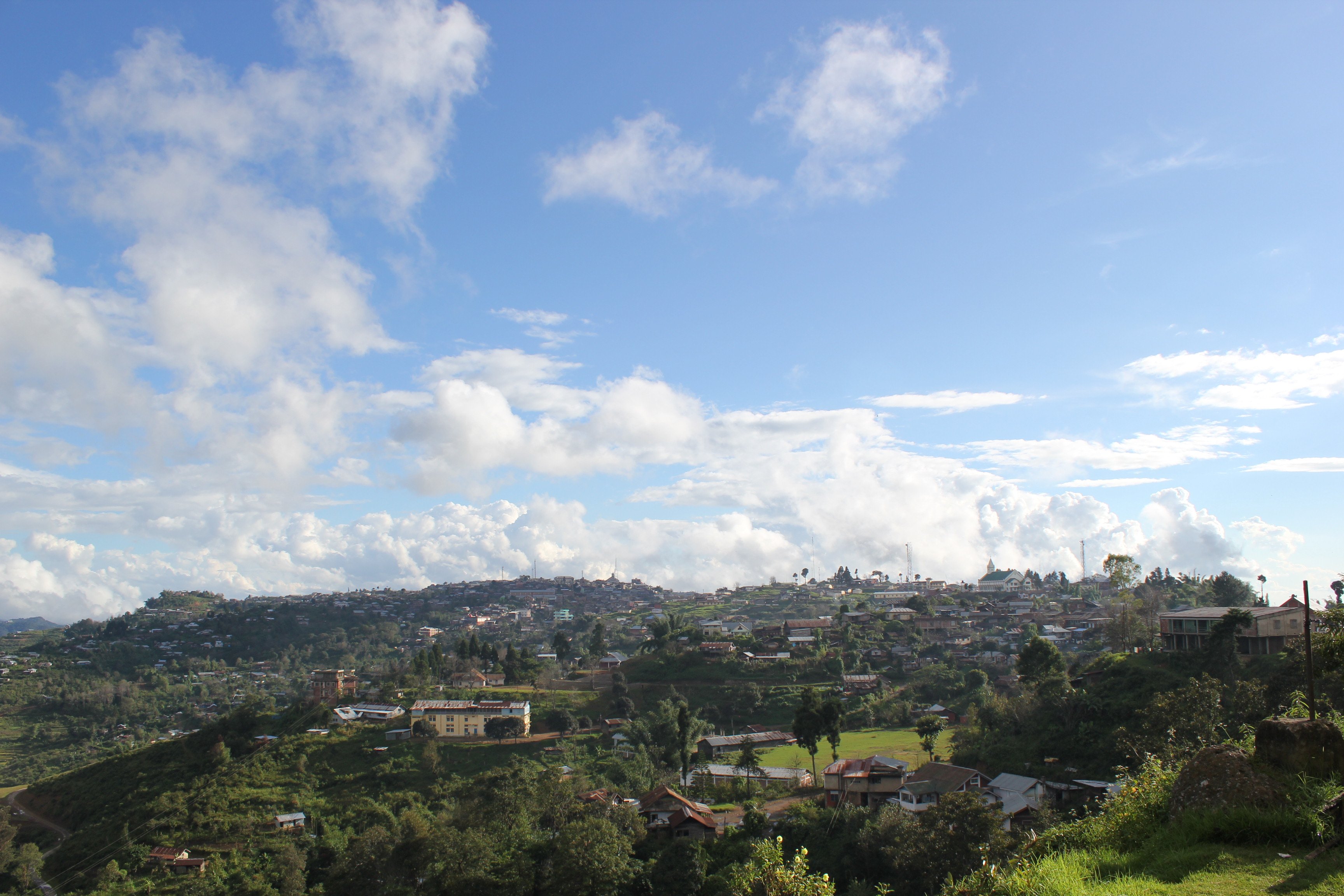
Manipur — the "jewelled land" — is one of India's smallest and most isolated states, tucked up against the Myanmar border in the far north-east. The Manipur valley is in fact a green plateau at about 700 metres, ringed by mist-topped forested mountains, with rice fields stretching flat between them. Most of the state's three million people are Meiteis who live on this plateau; the surrounding hills are home to dozens of Naga and Kuki-Chin tribes, each with their own language, dress and traditions.
The star sight is Loktak Lake, the largest freshwater lake in north-east India, dotted with phumdis — the extraordinary floating islands of matted vegetation on which the local fisherfolk build their huts and the last wild population of the rare Sangai (the "dancing deer") picks its way across the reeds. Keibul Lamjao, on the south edge of the lake, is the world's only floating national park, created to protect the Sangai. Manipur is also famously the birthplace of polo — played here as sagol kangjei, horse hockey, long before the British adopted it — and it remains a village sport rather than an elite one.
The state has been troubled by insurgency and ethnic conflict for decades, and travel can be complicated; permits are no longer required for Indian citizens but may be for foreigners depending on current rules. For those who do make it, the reward is a part of India that feels genuinely unlike anywhere else on the subcontinent: Tibeto-Burman faces, bamboo houses on stilts, women running the markets, and a landscape more reminiscent of highland Myanmar than of the Ganges plain.
Destinations in Manipur
- Imphal — the capital, with the Kangla Fort and the famous women's market, Ima Keithel
- Moirang — on the shore of Loktak Lake, important in the 1944 INA campaign
- Ukhrul — hill town in the Tangkhul Naga heartland
- Mao
- Tengnoupal
- Khongjom
- Churachandpur
- Kakching