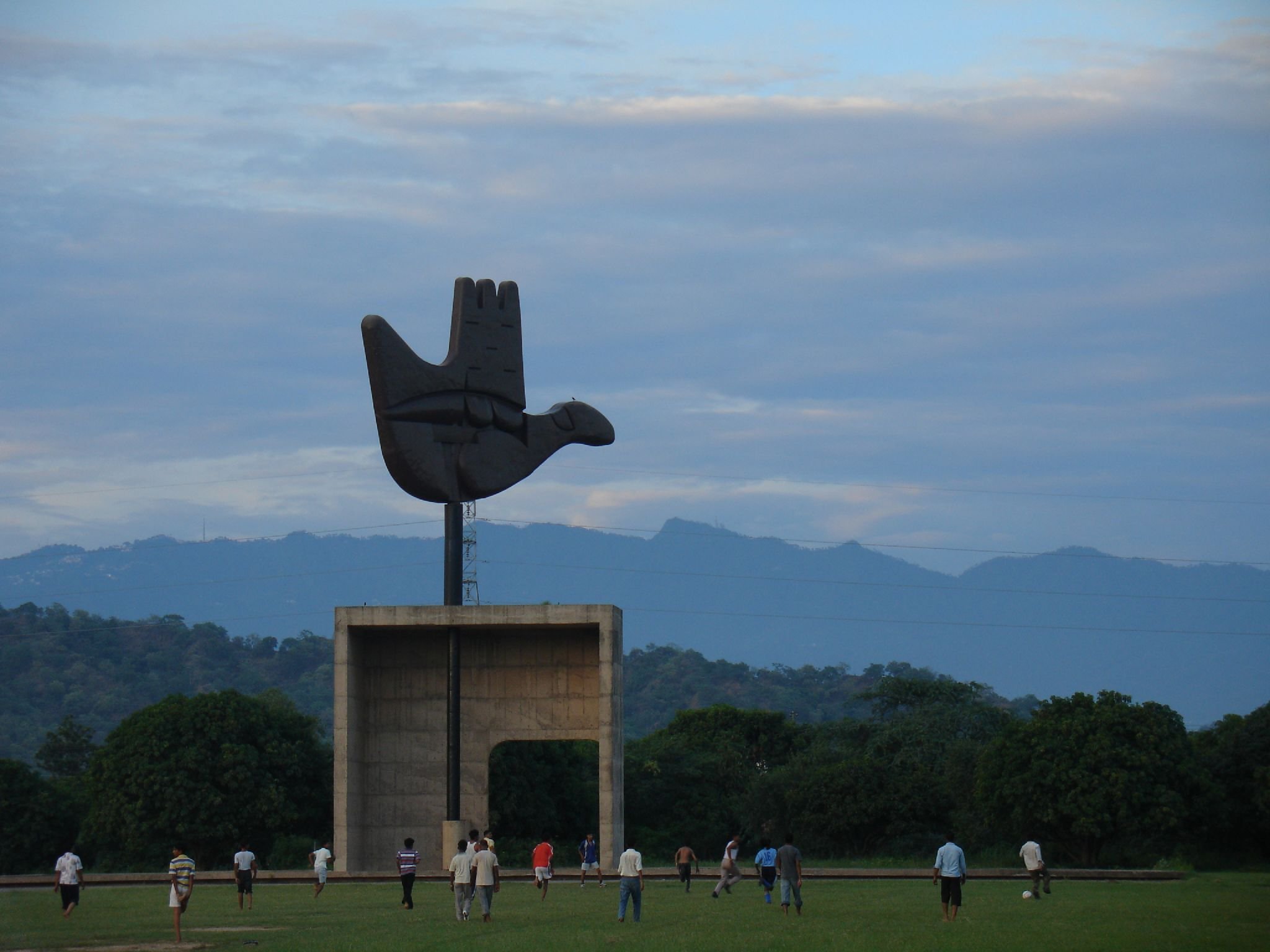
Punjab is the heartland of Sikhism and one of the most prosperous states in India. In the streets you will see turbaned, bearded men in traditional dress — a visibly different India from anywhere to the south. The state was partitioned in 1947: the western half, including the old capital of Lahore, became Pakistan, and the new Indian Punjab got a new capital, Chandigarh — a city designed from scratch by Le Corbusier in the 1950s and still one of the great modernist urban experiments in the world.
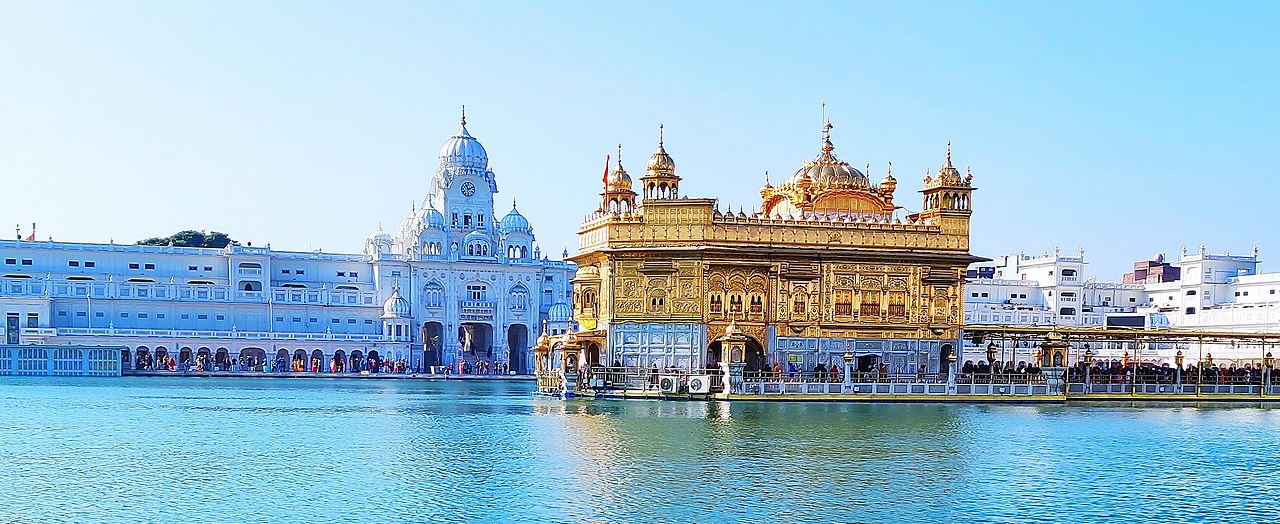
For Sikhs, Amritsar, almost on the Pakistan border, is the spiritual centre. Amritsar itself is busy and congested, but the tranquil atmosphere of the Golden Temple — its gold-plated central shrine reflected in a pool surrounded by marble walkways, open day and night, welcoming visitors of every faith — makes a lasting impression on anyone who sees it. Punjab holds the only open land border crossing between India and Pakistan, at Attari-Wagah, a short drive from Amritsar. The daily flag-lowering ceremony at the border is theatrical and worth timing a visit around.
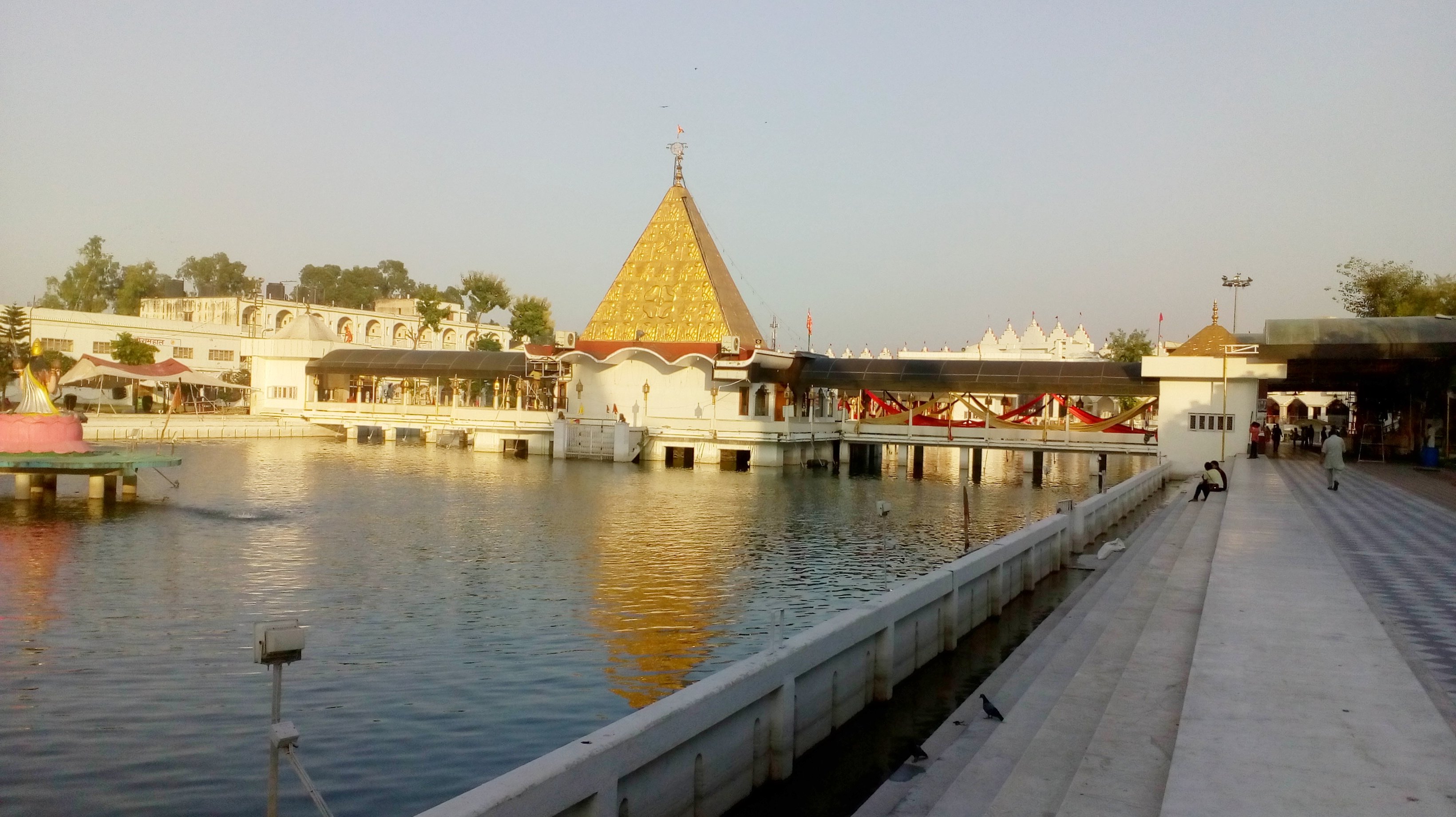
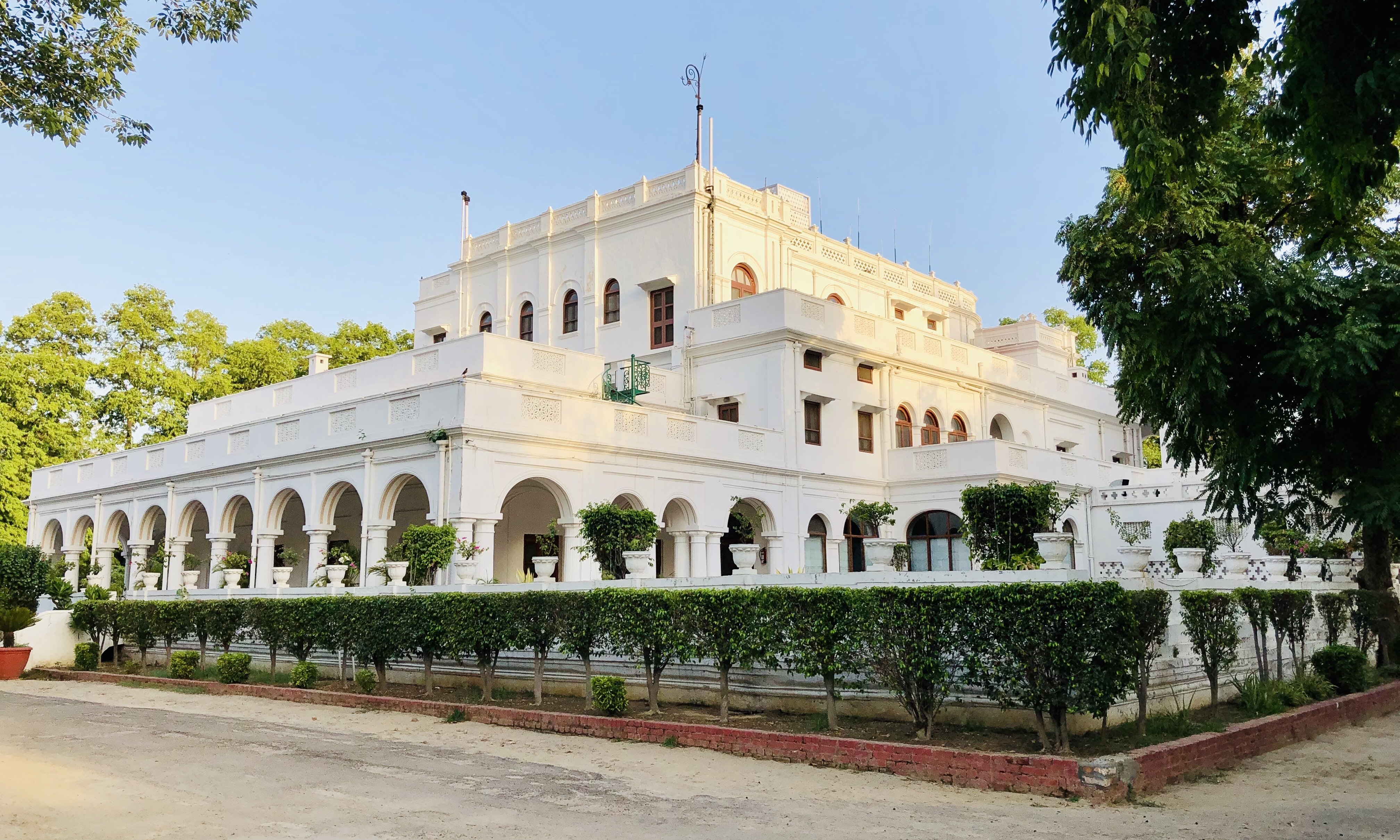
Beyond the two big cities, Punjab is flat, fertile, and agricultural — the "breadbasket of India" — with smaller towns like Patiala, Jalandhar, and Bathinda scattered across the plains. For many travellers, Punjab is where they break a long overland journey between Delhi and the Himalayas.